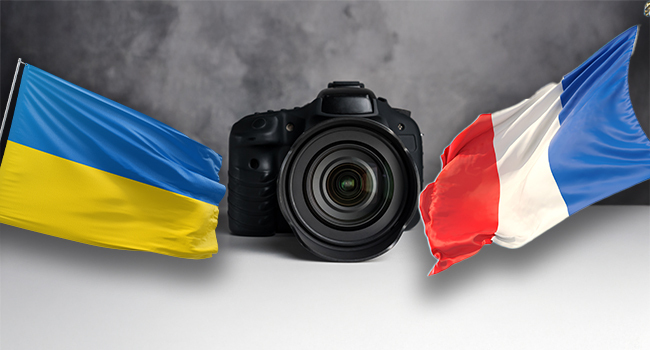
France has launched a war crimes probe into the killing of a French photojournalist who died in a drone attack while reporting in Ukraine. Prosecutors confirmed they opened the investigation after 37-year-old Antoni Lallican was killed near Donbas. The inquiry signals that Paris will seek accountability for attacks on press professionals.
Ukrainian officials said Lallican was embedded with Ukraine’s Fourth Armored Brigade close to the frontline when the strike hit. His colleague, journalist Georgiy Ivanchenko, survived with injuries. Ukraine and France have both pointed blame toward Russian forces for the attack.
Moreover, the investigation has been assigned to France’s anti-terror unit, known as PNAT, under its branch responsible for crimes against humanity and hate crimes. This unit holds authority over allegations of deliberate attacks against protected persons under international law. Placing the case there underscores France’s view that Lallican’s death may amount to a serious international offense.
Furthermore, Lallican is believed to be the first journalist killed by a drone in this conflict. Media freedom organizations and journalist unions condemned the killing and called for a credible investigation. They warned that targeting reporters undermines free press and the public’s right to information.
In addition, the move adds legal weight to France’s diplomatic posture. French President Macron had already denounced the attack, demanding Russia adhere to international norms. This probe allows France to follow rhetoric with a formal legal process capable of compelling evidence, accountability, or eventual prosecution.
Meanwhile, authorities noted that war crimes charges cover intentional attacks on civilians or noncombatants, including journalists, under international humanitarian law. If investigators can show Lallican was deliberately targeted or violated protections, the case could reach international courts or tribunals. The legal threshold is high but not unprecedented.
Also, the probe may face obstacles. Access to the exact site and collection of reliable evidence in conflict zones often proves difficult. Witnesses, physical remnants, and chain-of-custody of data must be preserved. France must also navigate jurisdictional and diplomatic hurdles, as any action implicates foreign forces engaged in full-scale war.
Still, French officials committed to pursuing the investigation. They said those responsible must answer for what they called “an unacceptable act.” The government hopes to dispatch investigators or liaise with Ukrainian counterparts to gather material, testimonies, and forensic data.
Finally, with the war crimes probe launched by France, the killing of Antoni Lallican becomes more than a tragedy—it enters the realm of legal accountability. The outcome may shape how states handle attacks on journalists in modern warfare. While prosecution is uncertain, the decision to open a formal inquiry shows France intends to hold powerful actors to international rules.
About The Author