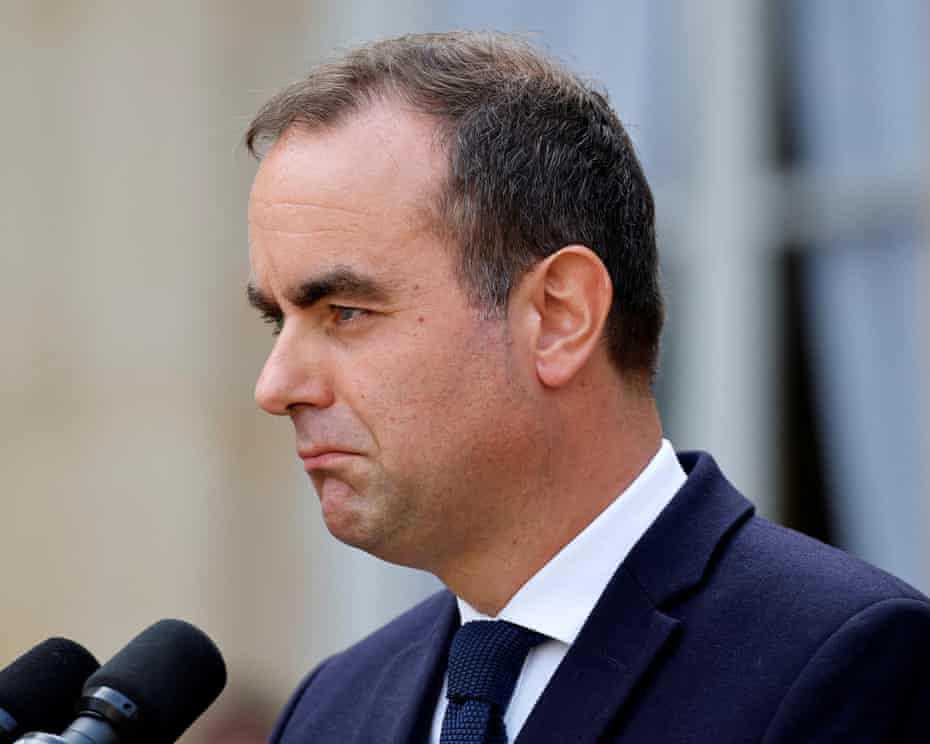
France is now at a critical junction as crisis deepens with Lecornu facing two no-confidence motions in the National Assembly. The political instability stems from deep divisions over pension reform, governance, and legitimacy.
Prime Minister Sébastien Lecornu delivered a bold policy address, suspended the 2023 pension reform, and pledged a more collaborative approach with parliament. His bid for survival hangs in the balance.
Moreover, Lecornu dropped the threat of invoking Article 49.3, a constitutional tool that allows the government to pass laws without parliamentary approval. He offered to suspend pension changes until January 2028 and initiated a national dialogue on long-term reform.
He aimed to ease tensions with left-wing and centrist deputies who have questioned his legitimacy. The opposition, however, remains skeptical.
Furthermore, two censure motions now await debate and vote in the Assembly. One comes from the far-left, the other from the far-right. Neither party commands enough deputies alone to topple the government.
They will need support from other groups, especially Socialists and moderates. Lecornu’s concessions are clearly intended to peel away those extra votes.
In addition, the Socialist Party holds the balance. It has refused to back either motion so far. Its leader says any support will depend on concrete action, not vague promises. This leaves Lecornu in a precarious position: he must satisfy both left and right demands while balancing Macron’s centrist base. His fate hinges on swing deputies.
Meanwhile, analysts argue that France’s institutional fragility amplifies the tension. The government now operates without a clear parliamentary majority, and three prime ministers have fallen in less than two years.
The fragmented legislature complicates governance and reduces predictability. Lawmaking and budget approval now require delicate coalition-building and compromise.
Moreover, the political stakes go beyond internal power play. The crisis projects a weaker France on the European stage. Investors, markets, and international partners are watching closely. Lecornu’s promise of stability may count for little if no vote outcome emerges soon. Credibility matters now as much as policy.
Furthermore, the suspension of the pension reform underlines the balancing act. That reform had sparked protests and fierce opposition. Dropping it signals responsiveness, but it also weakens Macron’s legacy. Some see the move as necessary to survive; others say it is a sign of political weakness.
Lastly, as crisis deepens as Lecornu approaches this confidence test, France faces a defining moment. If he survives, his survival will rest on new alliances and real action.
If he loses, it could trigger parliamentary elections or government collapse. Whichever way, the outcome may reshape France’s political landscape and revive questions about the stability of its democratic institutions.
About The Author