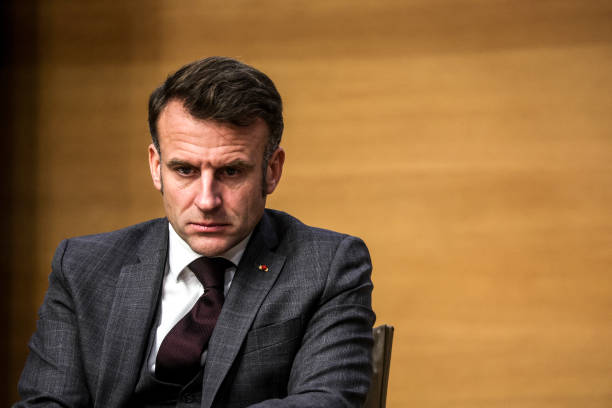
France has publicly voiced alarm over reports that Niger’s military junta plans to sell 1,000 metric tons of uranium to Russia’s state nuclear company, Rosatom.
Paris sees the deal as a direct challenge to Western influence in the Sahel and a blow to five decades of French involvement in Niger’s nuclear sector. Officials fear it could boost Russia’s war effort and increase regional security risks.
The uranium comes from the Arlit mine in northern Niger, once operated by France’s Orano, and valued at about $170 million. After the 2023 coup, Niger’s rulers seized the mine, revoked French licenses, and expelled key Orano executives.
Trucks would carry the uranium through Burkina Faso—where jihadist groups operate—to Togo’s port of Lomé for shipment to Russia. French intelligence warns that insurgents could intercept or divert the cargo along the route.
Before ties collapsed, France obtained about 15% of its nuclear fuel from Niger. Paris now views the Russia deal as both an economic loss and a geopolitical setback.
Orano has filed for international arbitration and won rulings that block sales of uranium mined before the coup. Even so, talks reportedly continue, raising doubts about oversight and enforcement.
The deal reflects Niger’s pivot toward Moscow and away from Paris. The military government is deepening military and economic cooperation with Russia.
For Niger, the agreement asserts sovereignty and helps monetise resources during economic hardship. For France, it signals shrinking influence and rising instability in a key security zone.
Transporting nuclear material through unstable Sahel regions brings real risks of diversion, weaponisation, or illicit trade. French officials warn that such dangers threaten both regional stability and global non-proliferation efforts.
Analysts say the episode exposes the decline of France’s post-colonial resource control model in West Africa. Niger’s assertive stance mirrors a wider trend of former colonies seeking independence from French influence.
The uranium deal could speed up France’s strategic retreat and raise new questions about Europe’s access to vital minerals.
As Niger’s talks with Russia move forward, the outcome remains uncertain. What is clear is that France’s position in the Sahel faces growing pressure, and uranium trade in volatile regions carries ever-higher stakes.
About The Author