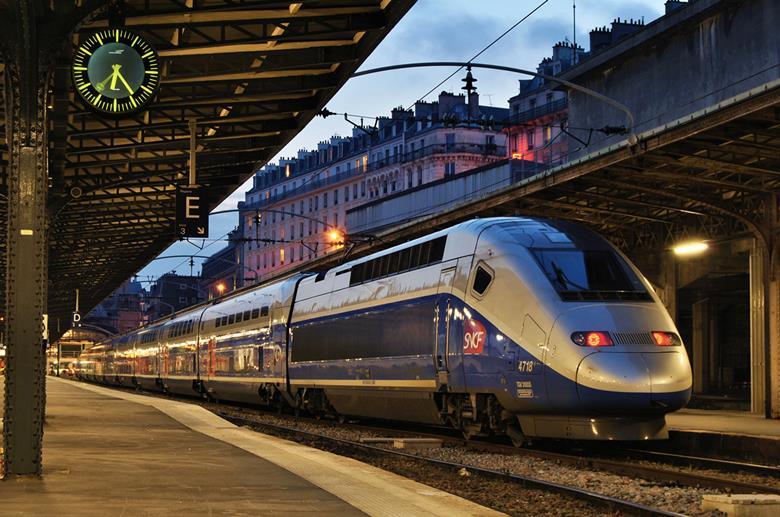
France’s national rail service has come under scrutiny after it bans children under 12 from a premium-class carriage on high-speed TGV INOUI trains, prompting public criticism and debate.
The policy applies to the new “Optimum Plus” class on weekday routes between Paris and Lyon, where children are not permitted in the dedicated quiet space designed for business travellers and frequent flyers.
Critics say the restriction sends the wrong message at a time of demographic concerns, while supporters claim it caters to specific customer comfort needs.
Furthermore, the upgraded Optimum Plus section replaced the earlier Business Première class and offers features such as a quieter environment, personal host service and enhanced flexibility.
SNCF, the state-owned railway operator, explained that the child ban reflects longstanding passenger feedback requesting calmer travel spaces for work or relaxation.
Despite this, the carriage accounts for a small fraction of overall seating — about 8 percent on weekdays — with the vast majority of train space still open to families and children, including standard and other first-class areas.
In addition, the TGV bans children policy has drawn sharp criticism from France’s high commissioner for children, Sarah El Haïry, who called the restriction “direct discrimination” and argued that seeking quiet should not exclude a segment of society.
Critics on social media and in French media also linked the policy to broader “no kids” cultural trends seen in hotels and restaurants, warning that such moves could signal diminishing tolerance for families in public spaces.
Moreover, SNCF representatives have defended the measure by clarifying that children remain welcome on all other parts of the train.
They noted that family areas and nursery facilities are available, especially on weekends and school holidays, and that most passengers’ seating options remain unaffected by the policy. This response aims to reassure travellers that family-friendly travel remains a priority even as premium options evolve.
Also, observers note that the debate around the ban feeds into ongoing discussions about public transport access, societal values and passenger expectations in a changing demographic landscape.
Lawmakers and advocacy groups may seek regulatory review if public backlash continues, while SNCF considers customer preferences and commercial strategies.
In summary, as TGV bans children in select premium carriages, it highlights a tension between tailored travel experiences and inclusive access, sparking a lively debate across France’s transport sector and wider public discourse.
About The Author