
France faces political crisis after Prime Minister François Bayrou’s government collapsed following a failed confidence vote over his €44 billion austerity budget. The National Assembly voted 364 to 194 against him, prompting Bayrou’s resignation and leaving President Macron tasked with appointing a new prime minister amid deep political instability.
Amid fragmented support in parliament, Bayrou called the confidence vote to pass his controversial budget that included cuts to public spending and scrapping two bank holidays. The gamble backfired, as both left-wing and far-right parties united against him. His defeat exposed the fragile nature of Macron’s centrist coalition in a divided political landscape.
In response, Macron faces difficult decisions. He must either appoint a new prime minister capable of navigating the fractured Assembly, form a caretaker government, or consider snap elections—though he has ruled out dissolution for now. Each option carries risks and could further destabilize governance.
Meanwhile, markets reacted swiftly. Bond yields jumped and investors raised concerns over France’s fiscal health. The collapse compounds the country’s dilemma as it grapples with a debt exceeding 114% of GDP, making borrowing more costly and putting additional strain on budget planning.
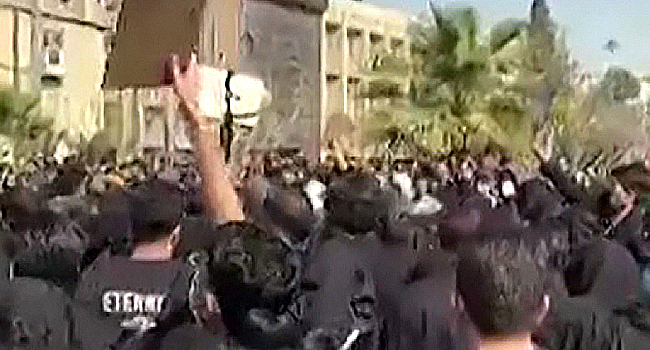
Simultaneously, protests are brewing across the country. The “Let’s Block Everything” campaign, along with unions, has announced demonstrations in response to the budget’s impact on living standards. These social protests highlight that France faces political crisis not only in its institutions but also on the streets, where frustrations run deep.
Looking ahead, Macron must quickly name a replacement who can restore stability. Potential candidates include seasoned ministers or figures from civil society who command broader support. However, without a clear majority, passing the critical 2026 budget remains uncertain. The government’s collapse may also prompt pressure for parliamentary or even presidential elections, as opposition parties push for new leadership.
In reflection, the fall of Bayrou’s government underscores recurring themes in French politics: minority rule, budgetary conflict, and institutional gridlock. It marks the second collapse under Macron’s presidency, following the previous fall of Michel Barnier’s cabinet. The repeated turnover and lack of consensus reveal the scale of the crisis.
Ultimately, France faces political crisis that tests its leadership and resilience. As Macron seeks a way forward, the challenge lies in balancing fiscal reform with political practicality. The coming weeks will determine whether the country can avoid prolonged paralysis and advance necessary reforms—or fall deeper into turmoil.
About The Author