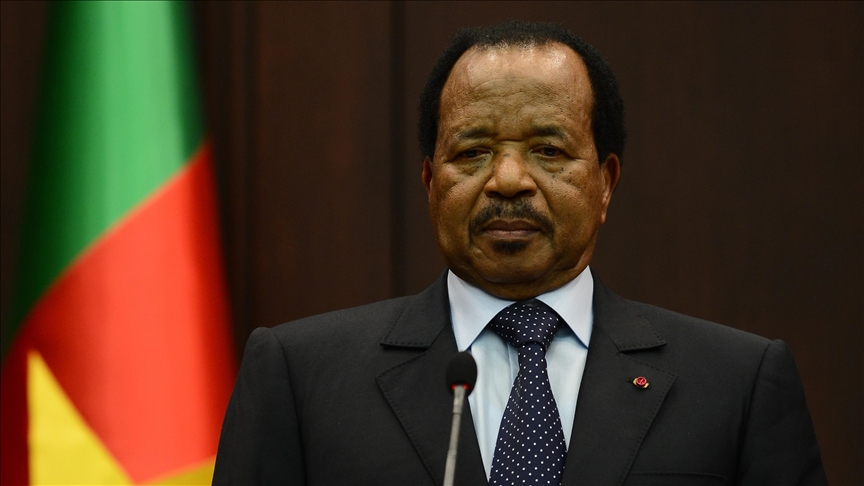
President Paul Biya has been declared the winner in Cameroon’s latest election, a result that comes under significant public pressure and unrest as Biya wins amid tension across the country.
The nation’s Constitutional Council of Cameroon announced that Biya secured 53.66% of the vote, granting him an unprecedented eighth term in office. Opposition leader Issa Tchiroma Bakary, however, disputes the outcome and claims he prevailed—with that claim sparking major demonstrations.
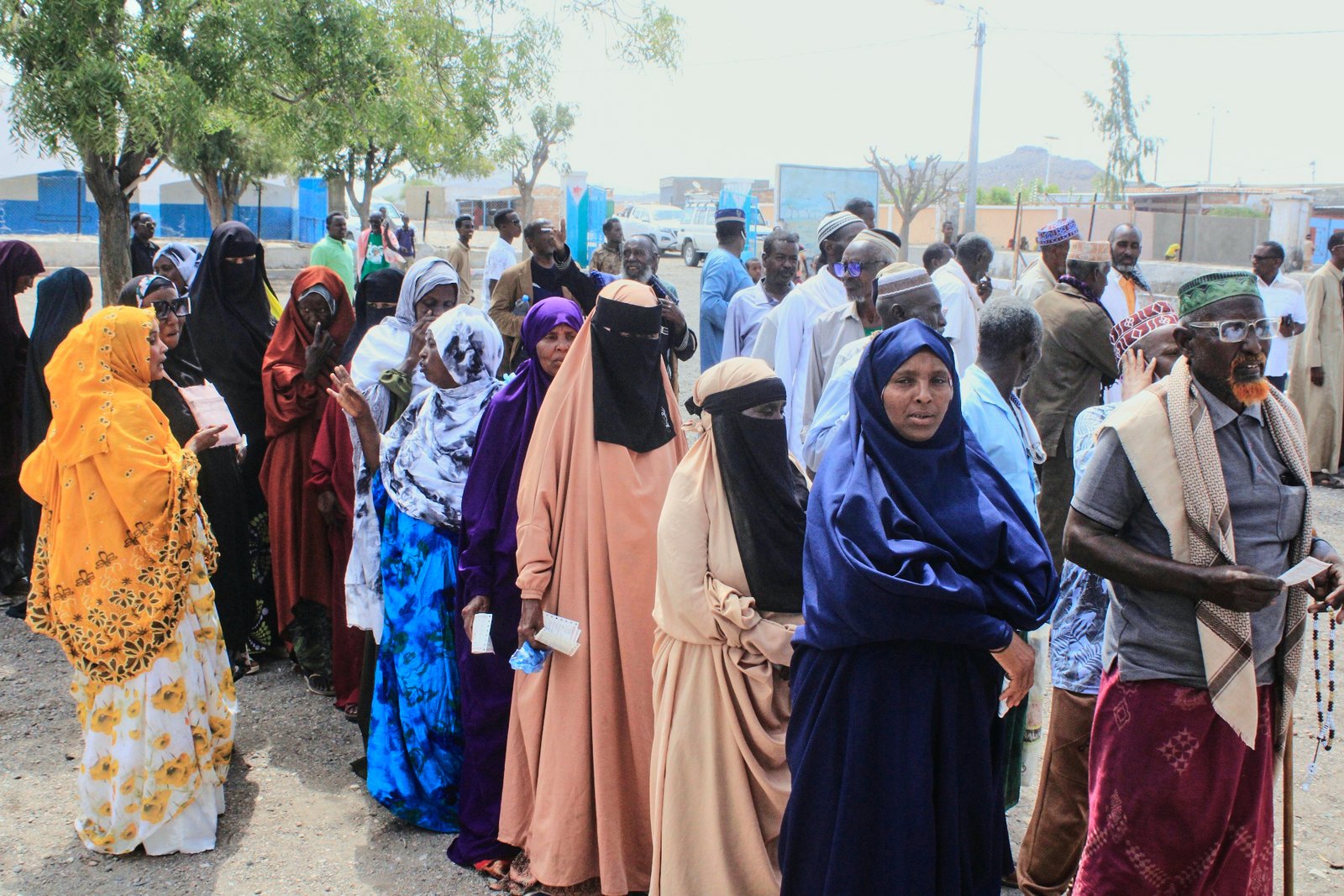
Moreover, the election held on October 12 triggered anger, particularly among younger voters who feel excluded. Tchiroma alleged that security forces opened fire on civilians near his home in Garoua just after the results emerged. The government has not confirmed those reports, yet videos and online posts revealed clashes in Douala and elsewhere.
Furthermore, Biya, aged 92, remains Africa’s longest-serving leader, having taken power back in 1982. The recent victory may keep him in office well into his late 90s, and potentially beyond. Critics say that removing presidential term limits in 2008 enabled his continued rule, and they view this result as entrenched power rather than democratic change.
In addition, tensions continued as the announcement spread. Protesters mobilised in cities including Yaoundé and Douala, with authorities restricting gatherings and the internet in some regions. In spite of the official result, the opposition vows legal and street campaigns to challenge the outcome and what it sees as systemic manipulation.
Also, analysts warn that the declaration of Biya’s win amid tension underlines deep dissatisfaction with the political system. With over 70 percent of Cameroonians under the age of 35, many believe the leadership no longer reflects their aspirations. The vote has become a flashpoint for broader frustration over governance, corruption, and conflict in the Anglophone regions.
Finally, as Biya wins amid tension, Cameroon faces an uncertain road ahead. If unrest escalates, it could threaten national stability and regional relations. The credibility of the result—amid allegations of ballot irregularities and heavy-handed response—will define whether the outcome resolves or deepens the nation’s crisis.
About The Author