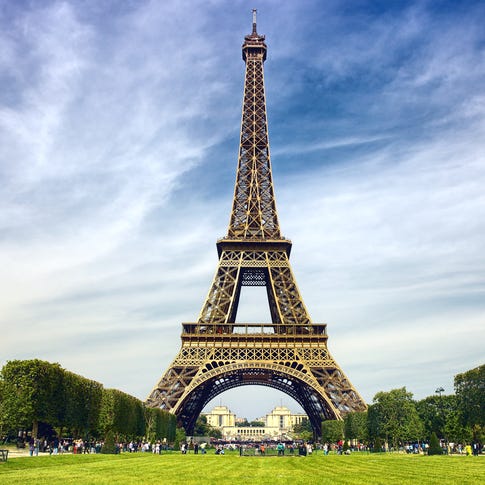
The nationwide strikes in France forced the closure of the Eiffel Tower and halted life in over 200 cities. Protesters rallied against planned spending cuts and pushed for higher taxes on wealthy individuals. The action came as pressure mounted on Prime Minister Sébastien Lecornu, who has yet to present a detailed budget amid political uncertainty.
In Paris, thousands marched from Place d’Italie and attempted to block major roads. The iconic tower issued a notice that it would remain closed for the day. Union leaders said the strikes were in response to austerity plans that threaten social services and hurt ordinary citizens.
Moreover, the movement represents a broader backlash against draft budget proposals introduced by the previous government. Many French people view these proposals as unfairly shifting burden onto lower and middle income groups. The unions are demanding that Lecornu scrap them entirely and start fresh consultations.
Furthermore, the timing of the strikes is key. Lecornu was appointed only recently and still has not named his cabinet or released full budget details. The protests serve as a signal that citizens want a say before final decisions are made. The political stakes are high as France moves into a year of fiscal tension.
Meanwhile, public transport felt the strain. Some regional train lines and bus routes were suspended or ran at reduced capacities. In Paris the metro largely functioned, but commuter trains saw major disruption. Schools, hospitals, and other public services also reported interruptions. Workers employed in those sectors joined the walkouts, adding to the pressure.
Additionally, union leaders said this wave of mobilization was the third in a month, and it came without a governing majority or finalized budget. They argue that social anger has grown because people feel excluded from the decisions that impact their lives. The slogan “Let’s block everything” (Bloquons tout) has resurfaced as repeated strike days escalate.
Also, interior ministry data revealed that around 195,000 people protested across the nation. Paris alone counted about 24,000 marchers. While turnout is lower than earlier protests, the visibility and disruptions make the strike notable. Authorities admitted the unrest illustrates how volatile the current political climate is.
Finally, as nationwide strikes in France unfold, the Eiffel Tower closure symbolizes how deep the crisis has struck. The protests are not just about budgets—they reflect frustration with governance and demands for equity. How the government reacts may define trust in the coming months.
About The Author