France has accused the United States of violating international law during a series of military strikes on suspected drug-trafficking vessels in the Caribbean. At least 76 people were reportedly killed. French Foreign Minister Jean-Noël Barrot made the accusation during the G7 foreign ministers’ meeting in Niagara-on-the-Lake.
He noted that France’s overseas territories in the region place it among those most affected. Paris argues that the operations lacked a clear legal basis, risk destabilising the region, and undermine maritime law and human rights norms.
Reports indicate that the US military carried out at least 19 strikes in Caribbean and Latin American waters since September. The campaign marks a shift from traditional Coast Guard interdictions to lethal action at sea. Barrot warned that such measures could trigger instability in French territories and complicate intelligence sharing.
He said the operations “violate international law” by bypassing due process and recognised rules governing force at sea. French officials argue the strikes amount to extrajudicial killings and raise serious accountability concerns.
Analysts note that the US justification—citing self-defence or drug-war necessity—has not convinced legal experts. Without UN Security Council approval or an immediate armed attack under Article 51, the strikes may breach the law of the sea and humanitarian norms.
These allegations threaten to strain US alliances. The UK has reportedly paused certain intelligence-sharing arrangements over fears of legal exposure. France’s statement highlights growing global debate over surveillance and enforcement models at sea.
The scale of US deployments also suggests a military build-up rather than a policing effort. Warships, a nuclear submarine, and F-35 jets joined the aircraft carrier Gerald Ford in the Caribbean theatre.
Critics argue that such assets show the campaign has moved beyond interception into full-scale kinetic action. France warns that this escalation could provoke regional backlash and complicate its own security commitments.
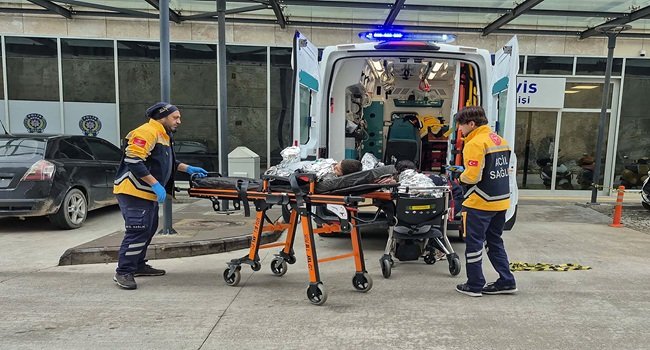
The human cost remains central. The 76 deaths underscore the imbalance of force and the lack of transparency in targeting or prosecution. Victims included small-boat crews navigating regional trade or migration routes. Human-rights groups are calling for investigations, reparations, and clearer rules governing maritime military operations.
Diplomatic fallout is also mounting. French officials insist that their territories—home to over a million citizens—cannot be collateral in unauthorised actions. The public accusation of the US by a close ally marks a notable shift in transatlantic relations. Whether this leads to joint inquiries or multilateral reform of maritime intervention remains uncertain.
As the episode unfolds, a key question emerges: can legal norms still restrain military force at sea? With 76 dead and international law violations alleged, the Caribbean strikes may drive new accountability efforts. They could also force a broader reassessment of how states combat crime at sea while respecting sovereignty, rights, and the rule of law.
About The Author