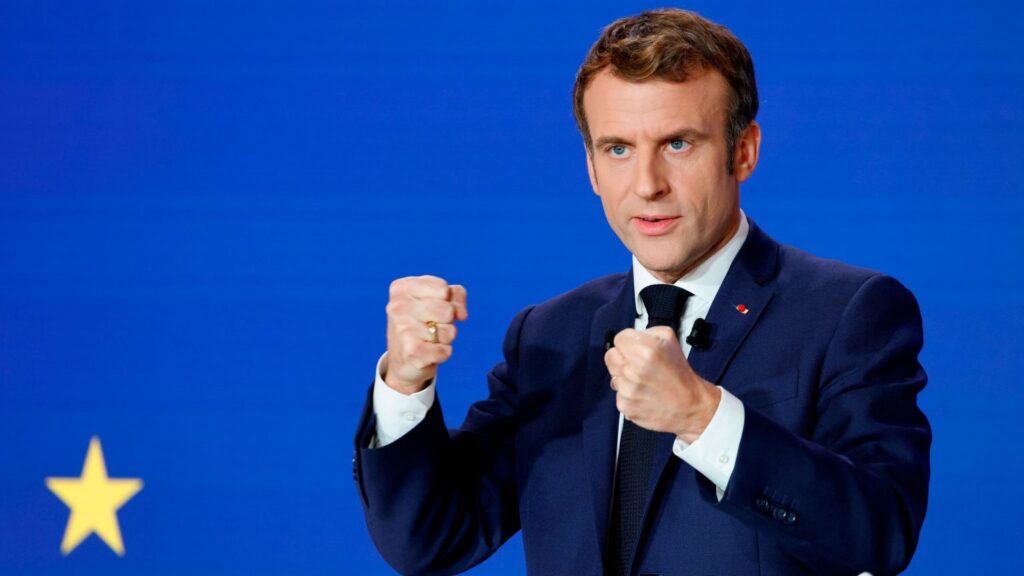
France has admitted its repressive role in the Cameroon Independence War, acknowledging actions that left deep scars on the nation. This statement by President Emmanuel Macron has been described as a significant turning point in France’s relationship with Cameroon. Many believe this admission signals a new era of truth and reconciliation between both nations.
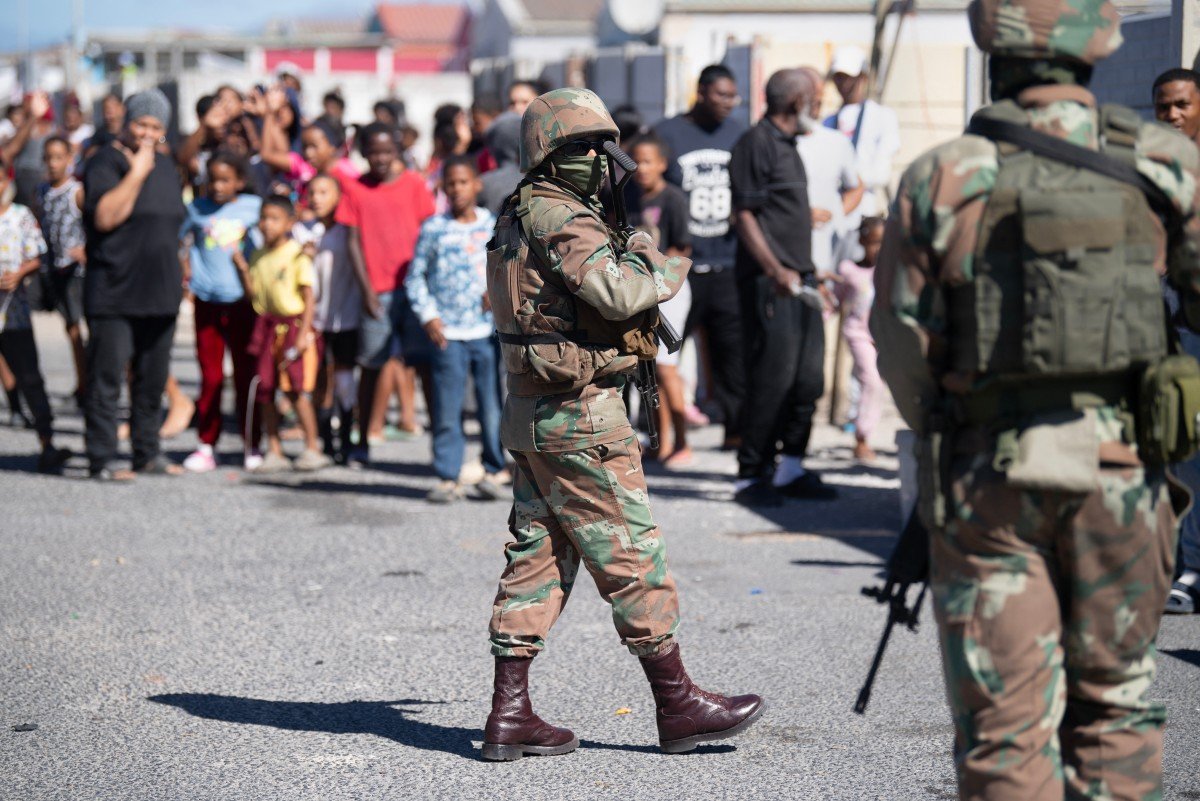
The Cameroon Independence War was a bloody conflict in the late 1950s and early 1960s, when the Union of the Peoples of Cameroon (UPC) fought against colonial rule. Thousands of civilians were killed, and entire communities were displaced. France has long been criticized for its role, but successive governments avoided taking responsibility. Macron’s recent statement now places this dark history in the spotlight.
Speaking in Yaoundé, Macron admitted that France adopted repressive strategies that destroyed families and communities. He said it was necessary for France to face its past honestly and work towards healing. His words were seen as a rare act of humility, and many observers noted that such acknowledgments are often avoided by former colonial powers.
Cameroon’s government welcomed the remarks, and some civil society groups described it as overdue. Survivors and families of those affected hope that the admission will lead to more concrete steps such as reparations and historical recognition. Macron did not make promises on compensation, but he emphasized France’s commitment to dialogue, historical research, and cooperation with Cameroonian institutions.
Historians say this acknowledgment is important because France has often presented its colonial legacy as largely positive. However, the Cameroon Independence War represents a painful chapter that contradicts that narrative. By admitting to repressive measures, France has now opened a door for wider discussion about colonialism’s impact on Africa.
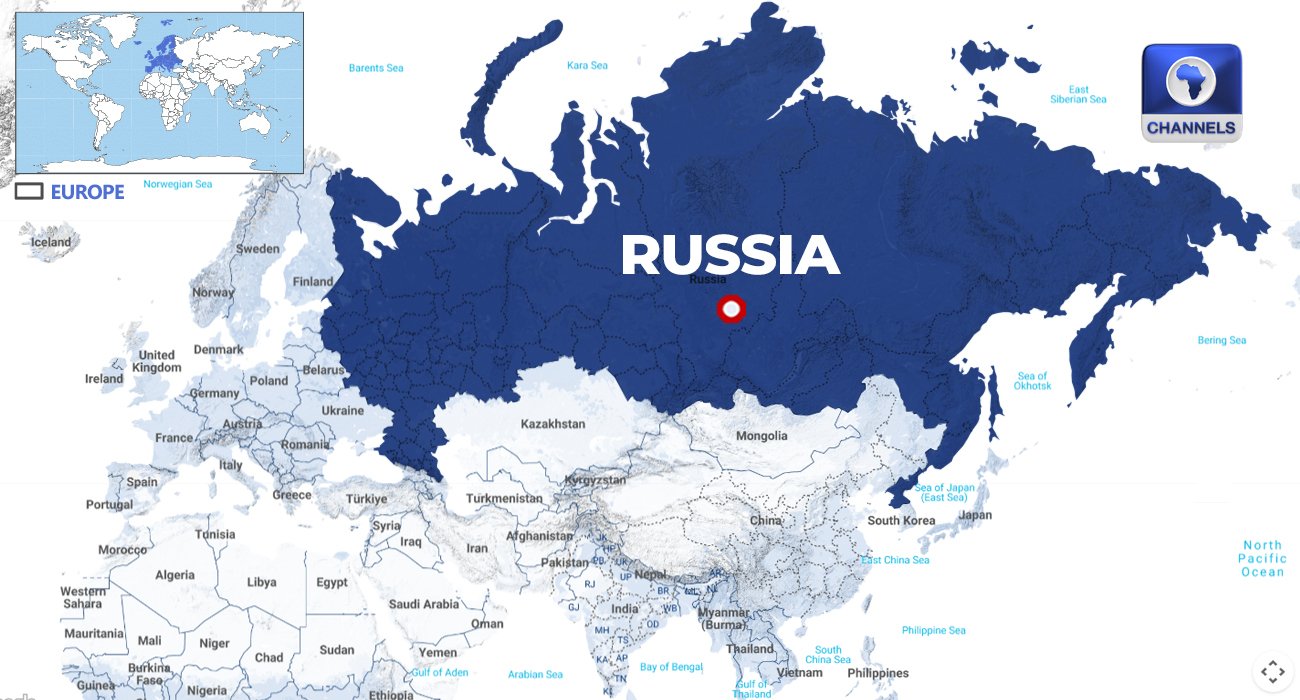
Some analysts believe Macron’s move was also strategic, as France is trying to rebuild trust in Africa. With increasing competition from countries like China and Russia, France wants to show a more respectful partnership with African nations. Acknowledging the violence of the past may help mend strained relations and foster deeper collaboration.
The announcement has also sparked conversations among Cameroonians about preserving history. Activists argue that schools should include more content about the independence war so younger generations understand the sacrifices made. They believe that memory and acknowledgment are critical to national identity.
France’s admission may not erase the suffering, but it provides a platform for healing and future cooperation. It shows that powerful nations can face their past and accept responsibility. For Cameroon, it offers a moment of recognition that the pain of the war was not forgotten.
By recognizing its role in the Cameroon Independence War, France has taken a step towards justice, reconciliation, and stronger ties with Cameroon. Many hope this example will encourage other former colonial powers to follow suit and acknowledge their histories with honesty.
About The Author