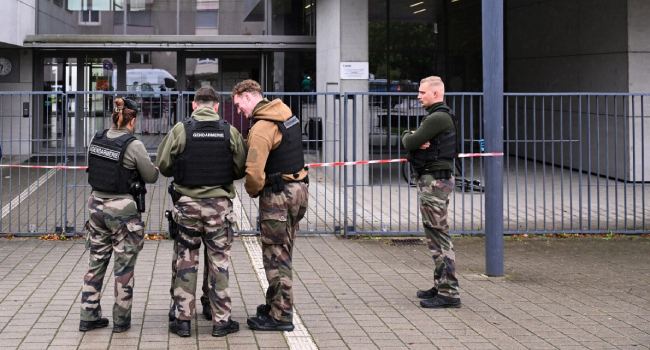
France today marks a solemn decade since Paris terror attacks that killed 130 people in shootings and suicide bombings across the capital. On the night of November 13 2015, jihadist teams targeted the Bataclan concert hall, cafés and the Stade de France, leaving deep scars. The only surviving key attacker received a life sentence, and the government now prepares national ceremonies and a long-term memorial.
The memory of that night remains vivid six years later—as candles glow at Place de la République and survivors gather, the sense of loss lingers. President Emmanuel Macron is expected to address the nation and reaffirm France’s resolve to combat terrorism. This underlines how France continues to grapple with the aftermath, both emotionally and in its security frameworks.
Moreover, the attacks triggered sweeping changes in France’s counter-terror strategy. Authorities responded with state-of-emergency powers, tighter border controls and expanded intelligence operations. Analysts note that while the immediate threat scaled down, home-grown radicalisation and lone-actor risks have grown in complexity. The shift reflects how the decade since Paris terror remains not just a memorial moment but an ongoing challenge to national resilience.
Furthermore, survivors and victims’ families speak of lives forever altered. Many still face mental-health struggles, financial hardship and social isolation. Some shops and cafés near the attack sites never reopened. The government has increased support programmes and funding for victim-services, yet critics say more remains to repair trust and rebuild communities still wary of public spaces.
In addition, France uses this anniversary to press for European solidarity in security matters. Officials stress that terrorism knows no borders and that shared intelligence, coordinated policing and data-sharing are essential. The government warns that the decade since Paris terror reveals how isolated efforts are insufficient in a cross-border threat environment.
Also, the cultural and tourism sectors reflect on the havoc wreaked by that night. Museums, events and nightlife took heavy losses in the immediate aftermath. Some venues struggled to regain footfall. The rebuilding of sites like Bataclan and the cafés around Boulevard Voltaire stands as a symbol of recovery, yet also a reminder of vulnerability.
Finally, as France marks the decade since Paris terror, the anniversary carries both tribute and test. Honouring the 130 lives lost, the country reflects on how far it has come—and how far it must go. The public will observe, the state will reaffirm, but the real measure lies in whether the memory of November 13 2015 spurs stronger security, deeper healing and a society better prepared for tomorrow.
About The Author