France has firmly rejected the Mali coup charges leveled against one of its embassy staff members, describing the arrest as baseless and damaging to diplomatic relations. Officials in Paris stated that the worker had been detained by Malian authorities and accused of involvement in activities linked to an attempted coup. France stressed that the accusations hold no credibility and urged Mali to respect international norms regarding diplomatic staff.
The Malian government announced the arrest earlier in the week and insisted that the staff member played a role in supporting individuals behind destabilizing activities. This claim immediately drew strong reactions from French authorities, who highlighted that their employee was simply carrying out professional duties and had no connection to any plot. The disagreement has further strained relations between the two nations, which have already faced tensions over military cooperation, security matters, and regional influence.
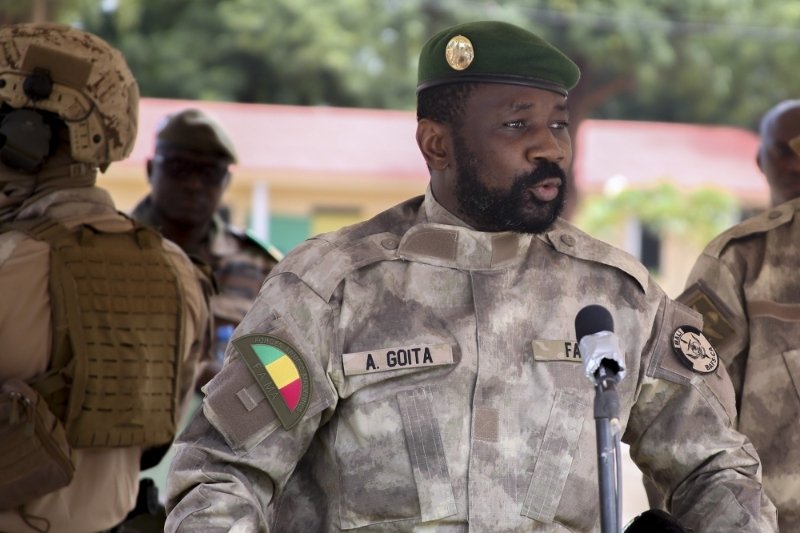
Diplomatic ties between Mali and France have deteriorated since 2021, when a military-led government took power in Bamako. France has withdrawn troops from the country, and the Malian leadership has moved closer to other partners while reducing reliance on traditional Western allies. The arrest of an embassy worker on Mali coup charges adds another layer of conflict to this troubled relationship and has raised fresh concerns about the treatment of foreign diplomats in the country.
In response to the development, France has called for the immediate release of its staff member. Officials emphasized that diplomatic personnel are protected under international conventions, and any violation undermines trust between states. They warned that failure to resolve the situation quickly could trigger stronger diplomatic measures. The French government also reached out to international partners, urging them to monitor the situation closely and support calls for justice.
Observers note that Mali’s current administration has sought to assert independence in foreign policy decisions, often clashing with France, which has historically maintained a strong presence in the region. Some analysts argue that the arrest could be part of a broader political strategy to challenge external influence while rallying support at home. Others believe it could reflect deeper mistrust of foreign missions, as the government navigates internal pressures and regional instability.
The incident comes at a time when Mali is battling multiple crises, including security challenges posed by armed groups, economic hardships, and political disputes. The government has promised to strengthen sovereignty and resist what it perceives as external interference. However, critics argue that targeting diplomatic staff risks isolating Mali further and complicating much-needed international partnerships.
France has maintained that it remains open to dialogue but will not accept unfounded allegations against its citizens or embassy representatives. The government insists that cooperation is essential to address the pressing issues facing Mali, including terrorism, humanitarian needs, and regional stability. Still, this latest dispute highlights the fragile state of relations and the challenges ahead for both sides.
The arrest of a French embassy worker on Mali coup charges has now become a central point of contention. It underscores the widening gap between Bamako and Paris and serves as a reminder of the broader struggles shaping West Africa’s political and diplomatic landscape.
About The Author