
France stands at the center of Europe’s economic storm, its struggle with mounting debt and political paralysis now impossible to ignore. From the cobbled streets of Paris to the trading desks of Frankfurt and London, the question grows louder: can France hold its ground, or is it drifting into dangerous waters?
Once the steady heartbeat of the eurozone, France now risks becoming its weakest link. Bond traders, analysts, and European partners are watching as Prime Minister François Bayrou’s fragile government edges toward collapse after parliament rejected its proposals to shrink a ballooning fiscal deficit.
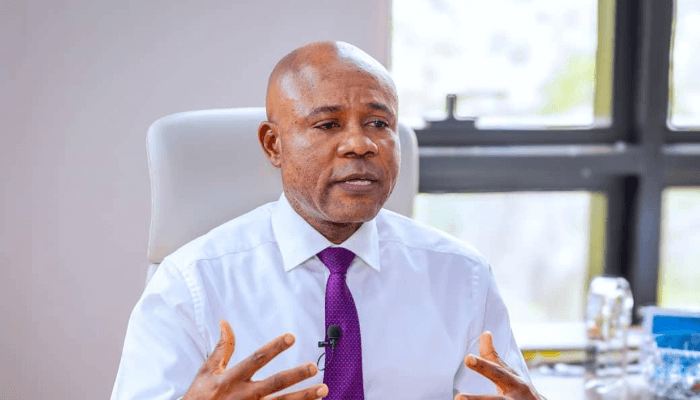
Inside a palace office in central Paris, Pierre Moscovici—the former finance minister turned head of the Court of Accounts—captures the dilemma in blunt terms: France simply cannot stop spending.
A National Habit of Spending
“It’s a national characteristic,” Moscovici admits. “It’s part of our social contract.” For decades, successive governments in France have spent their way through crises, then found themselves shackled by electoral politics, unable to reverse course.
The numbers tell the story. France’s fiscal deficit is now the largest in the euro area. Debt rises at €5,000 every second, and servicing that debt will cost €75 billion next year. Yet austerity remains politically taboo. Bayrou’s minority government is pushing €44 billion in cuts, but a “block everything” opposition is poised to vote it down.
Analysts expect the administration to fall on Monday in a confidence vote, only to be replaced by another weak government—leaving France stuck in the same cycle of indecision.
The Markets Take Notice
Markets rarely forgive hesitation, and France is beginning to feel the heat. The yield premium over Germany has surged to levels not seen in years, while France’s 30-year bonds have spiked to highs last recorded in 2011. Even more striking, 10-year yields now surpass those of Spain, Greece, and Portugal—the very countries once at the core of the eurozone debt crisis.
History offers a warning. The UK’s “mini-budget” fiasco in 2022 led to a bond market revolt that toppled Liz Truss. Investors now whisper whether Paris could face its own reckoning. As strategist Dhaval Joshi notes: “The bond vigilantes are circling several targets—France, the UK, and Japan. But France is the most vulnerable. France needs a political solution, but French politics are in gridlock.”
A History of Avoiding Austerity
This crisis is not new. At the birth of the euro in 1999, France’s debt mirrored Germany’s. The divergence began after the 2008 financial crash, when Paris leaned on subsidies and bailouts but never scaled back spending afterward. While Greece and Italy endured brutal austerity, France chose tax hikes instead, pushing taxation close to 48% of GDP by 2014 but still failing to slow its debt spiral.
Macron’s Unfinished Mission
President Emmanuel Macron once promised reforms that would help France grow its way out of debt. As economy minister, he cut labor restrictions and pushed pro-business changes. But today, those reforms feel overshadowed by spiraling debt and political paralysis. The optimism has given way to uncertainty.
A Nation at a Crossroads
For France, the stakes could not be higher. Rising borrowing costs threaten both public finances and market confidence. Bondholders may soon dictate the country’s destiny if politics continues to stall.
Moscovici sums it up with caution: “I’m not saying I see the exit, because I’m not a magician. But there needs to be one. Thinking that the problem can continue will be an illusion.”
France now hangs between reform and resistance, between markets demanding discipline and politics stuck in paralysis. Until a solution emerges—through compromise, leadership, or market pressure—Europe’s second-largest economy will remain exposed, fragile, and under the world’s watchful eye.
About The Author