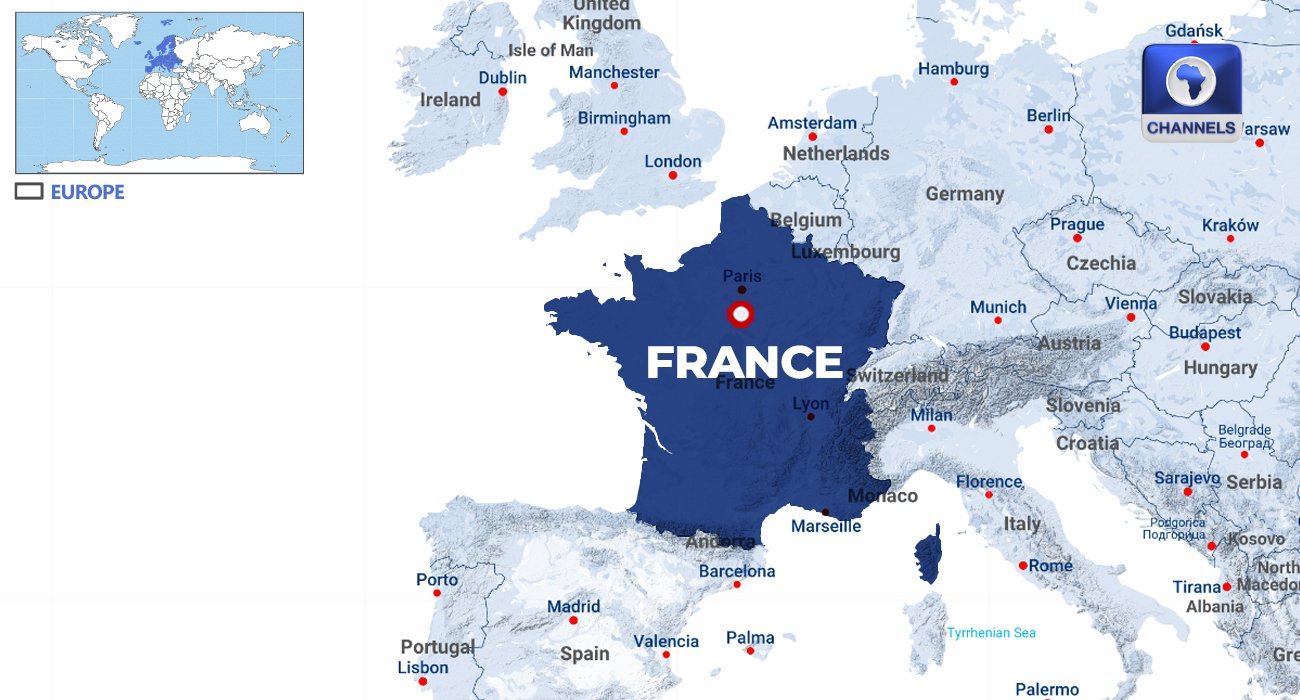

France is considering deploying Eutelsat terminals to Iran to help restore internet access after a sweeping communications blackout.
French Foreign Minister Jean-Noël Barrot told lawmakers on Wednesday that the government is exploring all options to counter the near-total shutdown imposed by Iranian authorities.
He said Paris is still considering sending Eutelsat equipment as it looks for ways to support Iranians cut off from digital communication.
The proposal comes amid one of the most severe internet blackouts Iran has experienced in years. Authorities sharply restricted connectivity after unrest spread across the country.
Protests driven by economic hardship and political repression prompted officials to curb online access. Tehran ordered the shutdown to limit scrutiny and disrupt protest organisation.
As a result, many citizens lost access to online communication tools.
Eutelsat, backed by the French and British governments, operates a network of low Earth orbit satellites. These satellites can deliver internet signals directly from space.
The system resembles other satellite broadband services and could offer an alternative where ground infrastructure fails. If approved, the technology could help close connectivity gaps.
However, discussions about deployment remain ongoing.
Deploying Eutelsat terminals would involve more than technical planning. The move carries diplomatic risks.
Iran tightly controls digital networks and resists foreign involvement in internal matters. Sending satellite equipment could raise legal and political challenges.
French officials must consider how such a move could affect relations with Tehran and regional partners.
Supporters argue satellite internet could help Iranians bypass state restrictions. They say it could reconnect families, activists, and civil society groups with the outside world.
Other crisis zones have used satellite services to maintain communication when national networks collapse. Some systems can deliver broadband even in areas with weak infrastructure.
Critics warn that foreign satellite deployments could trigger retaliation from Iranian authorities. They say Tehran may view the effort as interference. Such a response could complicate diplomatic efforts on other issues.
Barrot’s remarks show that France remains open to multiple responses to Iran’s digital blackout. Officials continue to review technical, legal, and political factors.
As talks continue, the situation in Iran remains unstable. International attention remains fixed on the unrest and the impact of restricted internet access.
About The Author