
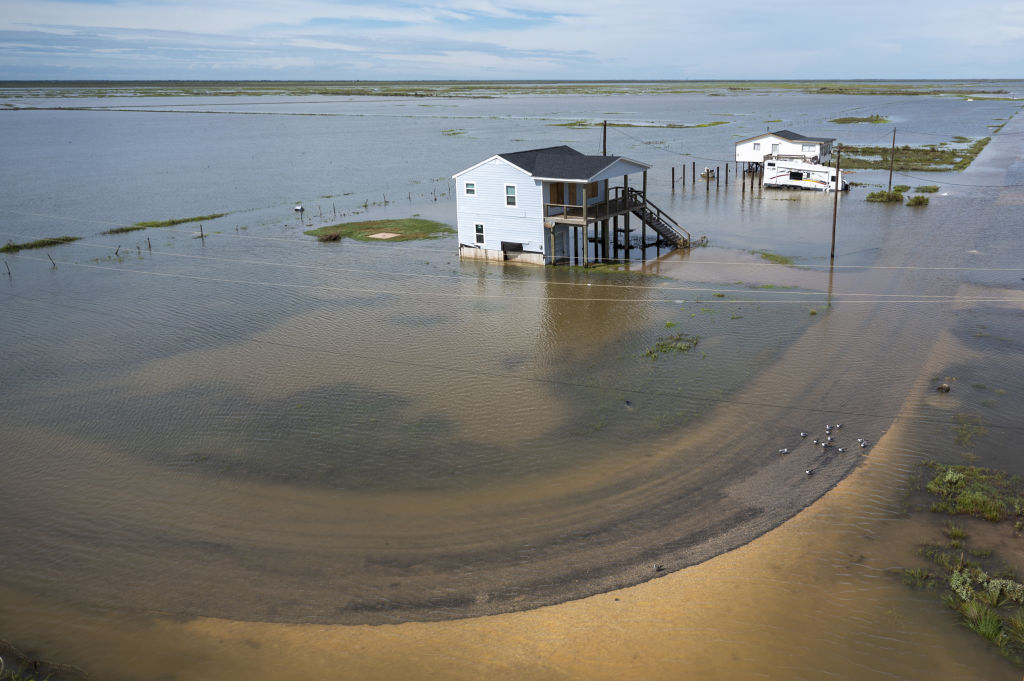

Around the world, from droughts to floods to wildfires, extreme weather events are becoming more frequent, severe, and longer lasting. More than one in four homes in the U.S. are exposed to severe or extreme climate risks. The impact on communities is devastating: in the United States alone weather and climate disasters led to an estimated 276 fatalities and cost a total of $115 billion in damage last year.
[time-brightcove not-tgx=”true”]
But finding information on the climate risks you might face in your neighborhood can be a challenge. “It’s really hard to get that information,” says Melanie Gall, co-director of the Center for Emergency Management and Homeland Security at Arizona State University.
Many resources that were previously available are being removed. The Trump Administration removed FEMA’s Future Risk Index last year, which predicted county level economic losses from climate change. It also included low and high emissions scenarios to visualize the impact climate change stands to have on communities around the country. And in December, Zillow, the country’s largest real estate listings site, removed its climate risk rating feature from its website after facing complaints of inaccuracies from home owners and real estate agents. The tool detailed a home’s potential risk from floods, wildfires, wind, extreme heat, and poor air quality.
What resources are available?
Data about a property’s risk from floods, wildfires, hurricane wind, extreme heat, and air pollutants is available on First Street, for an undisclosed fee. First Street, for example, had identified 94% of the properties destroyed in the Eaton fire in Altadena last year as having severe or extreme wildfire risk.
Research from real estate websites Redfin and Zillow, however, has found that a property’s climate risk can impact a home’s sale.
When Zillow stopped using First Street data, First Street CEO Matthew Eby said in a statement to the New York Times: “Our models are built on transparent, peer-reviewed science and the full methodologies are publicly available for anyone to review on our website,” adding that its models have been validated by major banks, federal agencies, insurers, and engineering firms.
Other real estate websites, including Redfin, Realtor.com, and Homes.com, continue to show First Street data on their listings.
For a free option, FEMA’s National Risk Index also provides a tool that charts risks across 18 different hazards. (The National Risk Index identifies current hazards, while the Future Risk Index monitored risks an area might face in the future.) But publically available data can often be hard to decipher, says Gall. “Having all these resources available doesn’t mean you can actually glean from that data set the information that you need in your decision making,” she says. “There is not one source people could go to that everybody actually has access to.”
How do you address the risks?
The best choice is to avoid living in high risk areas altogether, says Joshua Saks, adaptation program director at the Georgetown Climate Center. But if that’s not an option, think about ways you can prepare for natural disasters. “If you make the choice to live in a high risk zone, then you need to think about taking steps to protect yourself and your property,” he adds.
Once you know the risks your area is facing, consider the changes you can make to prepare for any potential damage. “Trees are a potential source of hazard—they can fall on your roof, or if you’re exposed to flooding, you want to be elevated as much as you can,” says Gall.
You should also create a disaster plan for your family with information on what to do and where to meet in the event that everyone must evacuate. Come up with a list of important documents and items you might need to take with you.
While it’s good to ensure you’re doing what you can to protect yourself and your home, experts say that governments need to begin planning for disasters on a community-wide level, rather than placing the onus on individuals. “When you plan for disasters, you want to plan to protect whole communities, not individual homes,” says Saks. “When governments can do community scale planning—a flood law or communicating risks, those sorts of things are better than individual actions house by house.”
About The Author