
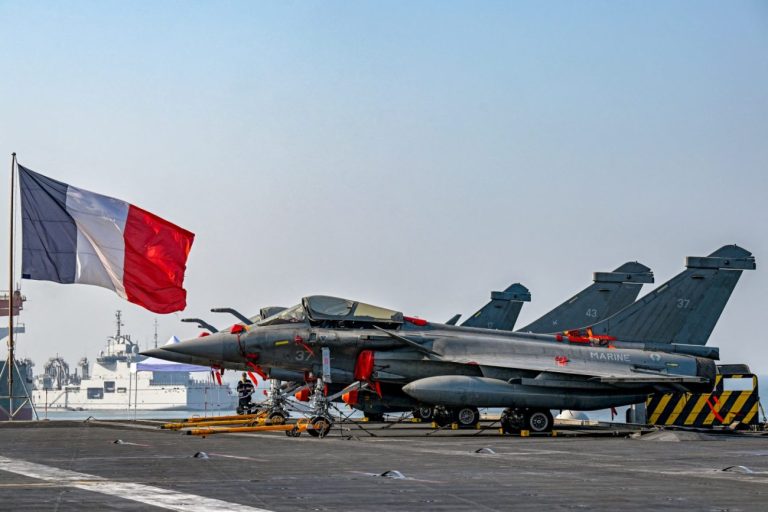
The Rafale jet deal between India and France is moving closer to formal negotiations, potentially marking a landmark defence agreement for New Delhi. Officials say the Indian Ministry of Defence plans to open talks on a deal worth about ₹3.25 lakh crore (roughly $36 billion).
The agreement would cover nearly 114 additional Rafale fighter aircraft, significantly expanding India’s existing fleet. The acquisition seeks to strengthen India’s air power amid rising regional strategic pressures.
However, the proposed deal would allow only about 30 percent indigenous production. It would also exclude any broad transfer of advanced technology beyond that level.
Indian authorities will rely on French support to integrate local weapons and systems into the jets, as France will retain control over the core source codes. Critics have questioned this limitation, arguing that deeper technology transfer would better support India’s long-term defence autonomy.
A key defence objective for India remains closing gaps in squadron strength while modernising the air fleet. The Indian Air Force has repeatedly raised concerns about its declining number of operational squadrons. Additional Rafales could help slow or reverse that trend.
Despite long delays in earlier procurement programmes, decision-makers still view Rafale as a preferred option. Existing infrastructure, trained personnel, and established logistics for the aircraft reduce induction time. Military leaders prioritise rapid operational readiness even as they pursue future indigenous projects.
The Rafale jet deal has also sparked widespread debate. Some analysts argue that the high cost and limited local manufacturing undermine the goals of the “Make in India” initiative.
They warn that heavy reliance on foreign procurement could delay domestic aerospace programmes, including indigenous fighter projects. According to these critics, broader technology transfer would have accelerated growth within India’s defence industry.
The variant under consideration is expected to be the Rafale F4. This version features advanced avionics, radar systems, and enhanced electronic warfare capabilities.
While these upgrades improve combat performance, opponents note that France’s decision to retain critical source codes may restrict India’s ability to carry out future upgrades independently. Such limits could increase long-term reliance on foreign support.
Still, the broader strategic context shapes the debate. India aims to manage intensifying regional competition while maintaining a credible military deterrent.
The potential Rafale deal reflects this balancing act. It combines immediate operational needs with longer-term strategic and industrial priorities.
Supporters argue that, despite its shortcomings, the acquisition would significantly strengthen India’s combat aircraft inventory and reinforce its position in an evolving geopolitical environment.
About The Author