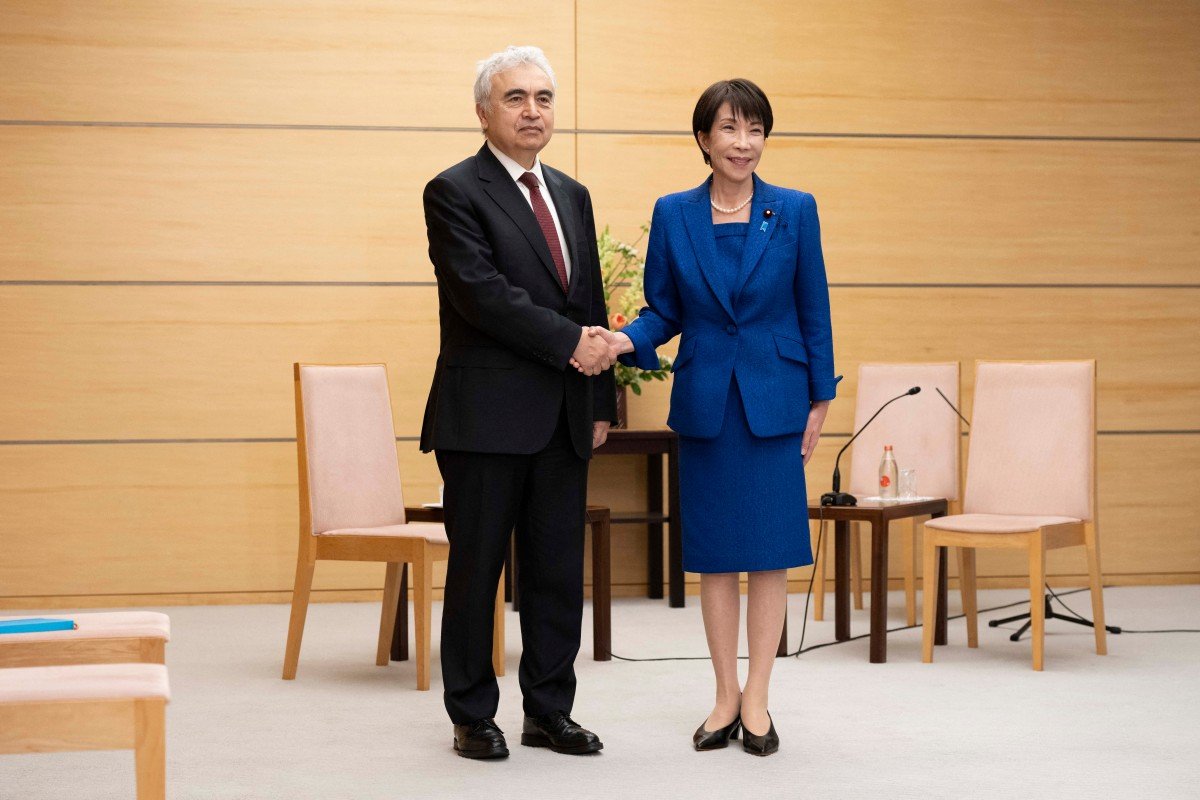
The head of the International Energy Agency said Wednesday he was “ready to move forward” with an additional release of oil reserves “if and when necessary”.
Fatih Birol’s comments in Tokyo came after Japanese Prime Minister Sanae Takaichi asked the agency “to prepare to implement an additional release in case the situation drags on” with the war in the Middle East.
READ ALSO: Crude Tumbles, Stocks Rally On Hopes For Iran War De-escalation
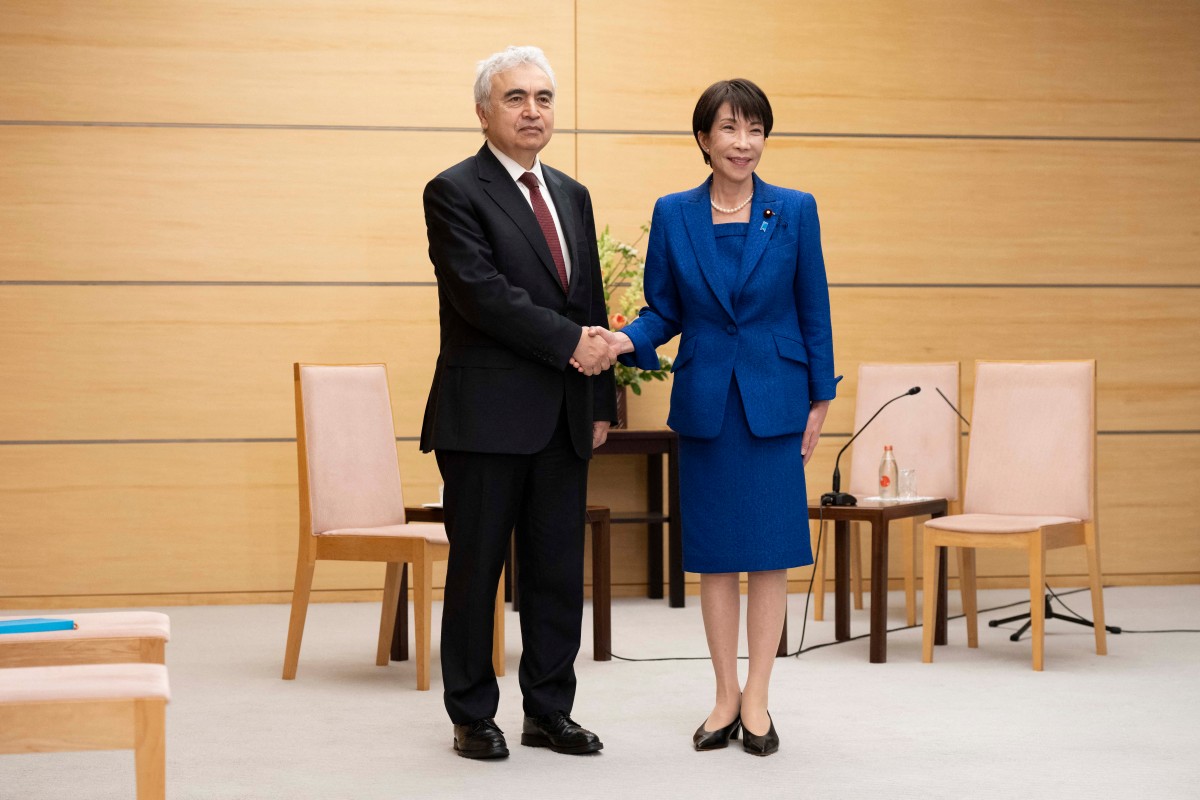
The IEA said earlier this month that member countries would unlock 400 million barrels of oil from their reserves to ease the impact of the Middle East war, the biggest such release ever.
But Birol said that there was “still a significant amount of oil in our stocks”.
“Eighty per cent of our stocks are still with us. These 400 million barrels were only 20 per cent of our stocks.
“If and when necessary, we are ready to move forward, but I very much hope that it will not be necessary,” he said.
“The world is facing a serious energy security threat, but the International Energy Agency is ready to play its core role of being a guardian of global energy security,” he added.
Oil Imports
Japan depends on the Middle East for 95 per cent of its oil imports.
The country started releasing 15 days’ worth of private-sector petroleum reserves last week, and it will on Thursday begin tapping into government stockpiles.
Tokyo also plans a release from joint stockpiles held by producing nations in the country by the end of the month, Takaichi has said.
A joint reserve is held in Japan by Saudi Arabia, the United Arab Emirates, and Kuwait, according to the Petroleum Association of Japan.
Under normal circumstances, the jointly stored crude is commercially used, but in the event of an emergency, Japanese oil companies have preferential purchasing rights.
Vietnam Lowers Fuel Prices
Meanwhile, Vietnam adjusted its fuel prices for a second time on Wednesday, bringing down costs after the price of diesel was more than doubled since the start of the war in the Middle East, trade ministry figures showed.
Earlier Wednesday, diesel prices had skyrocketed about 105 per cent from February 26, two days before the US and Israel launched strikes on Iran.
The government raised the price to 39,660 dong ($1.50) per litre as of midnight on Wednesday, up from 19,270 dong last month, according to trade ministry figures.
The price of 95-octane petrol was also raised by nearly 68 per cent over the same period.
But, 14 hours later, the ministry revised down fuel prices, with the cost of diesel lowered to a rate that is just below double that of the February 26 price.
The cost of 95-octane petrol was also reduced, and is now about 49 per cent higher than before the Gulf war.
A surge in oil prices since the start of the conflict has sent fuel costs spiralling and sparked fears of shortages around the world.
Vietnam has recently asked for fuel support from several countries, including Qatar, Kuwait, Algeria, and Japan, and on Monday signed a deal with Russia on oil and gas production in both countries.
The country’s finance ministry proposed on Tuesday halving the environmental protection tax on gasoline and diesel.
Hanoi resident Nguyen Van Chi said Wednesday he had not driven his truck in the past two weeks, instead opting to cycle as much as possible.
“With this unbelievable price of diesel, I cannot even sell my truck as no one is going to use it,” the 54-year-old businessman told AFP.
AFP
The post Japan PM Asks IEA To Prepare Additional ‘Coordinated Release’ Of Oil appeared first on Channels Television.
About The Author