
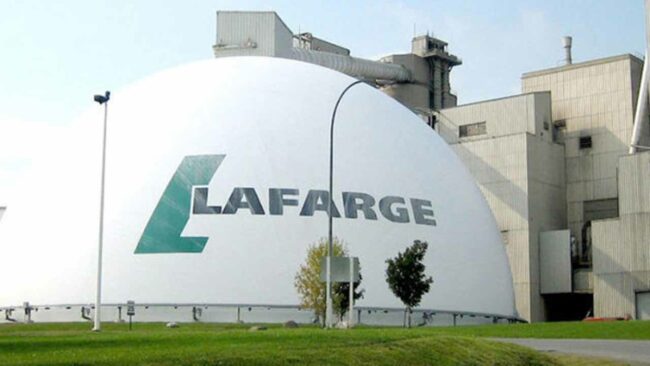
The French cement giant Lafarge has appeared in a Paris court. The company faces serious charges of financing terrorist organizations. This landmark corporate criminal trial stems from its Syrian operations. Prosecutors allege the company paid millions to armed groups. These payments included ISIS and Al-Nusra Front factions. Therefore, the Lafarge jihadist funding trial represents a historic legal moment. It is the first time a French company faces such charges.
Furthermore, the alleged activities occurred between 2011 and 2014. Lafarge operated a cement plant in northern Syria during this period. The company sought to protect its facility from the civil war. It reportedly paid various armed groups to ensure safe passage. These payments also guaranteed continued access to raw materials. The strategy aimed to maintain business operations at all costs.
Moreover, the company itself admits to these troubling payments. Its lawyers acknowledge the “unacceptable” nature of the decisions. However, they firmly deny any intent to finance terrorist activities. They argue that local executives acted under extreme duress. The chaotic war environment forced these difficult choices. Survival, not ideology, motivated the payments according to the defense.
Additionally, eight former company executives face individual charges. These include complicity in crimes against humanity and financing terrorism. The former CEO and the ex-Syria operations director are among them. They could receive severe prison sentences if found guilty. The company also risks a massive multi-million euro fine. The court proceedings are expected to last for several months.
Consequently, this case raises profound questions about corporate ethics. It explores the moral limits of operating in conflict zones. Many corporations face similar dilemmas in unstable regions. The Lafarge jihadist funding trial could set a major legal precedent. It may redefine corporate accountability during wartime.
Ultimately, the French justice system faces a complex challenge. It must weigh corporate survival tactics against national security laws. The verdict will send a powerful message to the global business community. Companies cannot ignore their moral responsibilities, even in war. The trial continues under intense international scrutiny.
About The Author