France in the Grip of Political Turmoil
The protests that rocked France this week did not come out of nowhere. For more than a year, the country has been caught in unprecedented political turmoil.
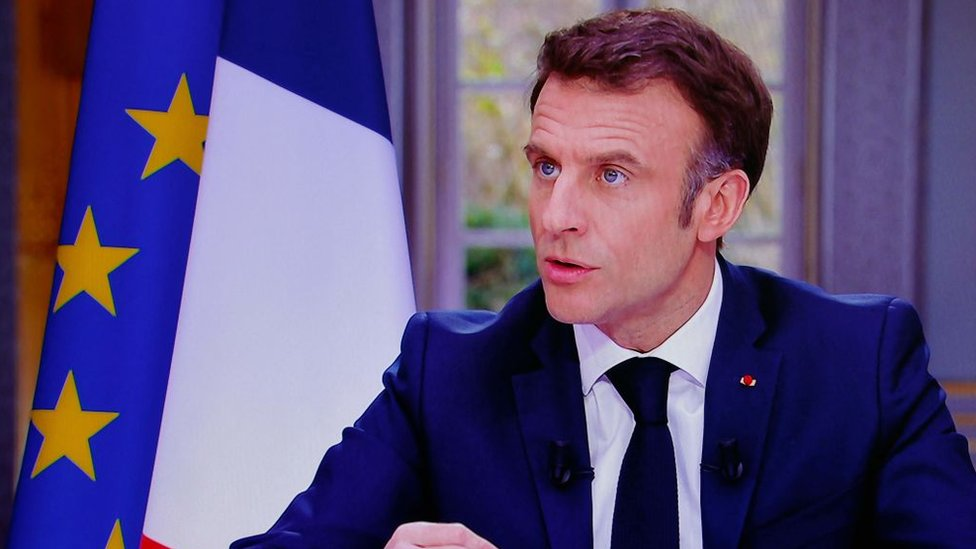
Many trace the crisis back to June 2024, when Emmanuel Macron shocked the nation by calling a snap election.
The result was a fractured parliament, a gridlock that has left governments unable to govern and citizens increasingly disillusioned.
This week, that simmering frustration boiled over. For the first time in the history of the Fifth Republic, a government collapsed after a vote of confidence triggered by its own prime minister.
François Bayrou, who lasted just nine months in office, placed his fate in the hands of a hostile assembly.
The outcome was clear from the start: even conservatives in his coalition broke ranks. A third of the right-wing deputies refused to back him.
His fall paved the way for Sébastien Lecornu, a close Macron ally, to become France’s fifth prime minister since 2022.
France and Macron’s Defiance
The deeper question is how France, a country once seen as politically stable, arrived at such fragility.
The answer lies in Macron’s repeated disregard for the will of the people. After last year’s elections, the left-leaning New Popular Front coalition emerged as the largest bloc.
By tradition, the president should have appointed their candidate for prime minister. Instead, Macron rejected Lucie Castets and delayed any new appointment until after the Olympics.
When he finally acted, his decision stunned many. He handed power to Michel Barnier, a veteran politician from Les Républicains who had polled just 6.6% in the elections.
For voters, it felt like a slap in the face. Unsurprisingly, Barnier’s government collapsed within three months.
Bayrou followed, and though he was one of Macron’s closest allies, he quickly lost credibility.
His indifference to the struggles of Mayotte after a disaster, his inflammatory remarks about immigration, and his past controversies made him unpopular.
Worse still, he pushed forward austerity measures that hit low- and middle-income workers while sparing the wealthy.
Protests Erupt Across France
Bayrou’s austerity program included scrapping two public holidays to save €4.2 billion.
That decision, nearly identical to the sum Macron lost by scrapping the wealth tax in 2017, became a symbol of unfairness.
At the same time, a Senate report revealed that businesses receive €211 billion in public funds annually without conditions.
For many citizens, hearing calls for “sacrifice” while billionaires thrive was intolerable.
France has not seen such levels of revolt in years. The gilets jaunes shook the nation in 2018.
Millions marched against pension reforms in 2023. Anger spread to Martinique and other overseas territories, where inequality and high living costs fuel unrest.
Now, with austerity plans deepening the pain, people feel pushed to the edge.
A Nation on the Brink
The streets of France once again echo with chants of defiance.
Teachers, students, unions, and ordinary workers are uniting under one banner: resistance to a president who appears deaf to their struggles.
Macron, often nicknamed “Jupiter” for his distant and authoritarian style, has tested the patience of his people for too long.
The message is clear. If Macron continues to defy the will of the French public, citizens are ready to block everything.
France stands at a crossroads, and the coming weeks may define not only Macron’s legacy but also the resilience of the Fifth Republic itself.
About The Author