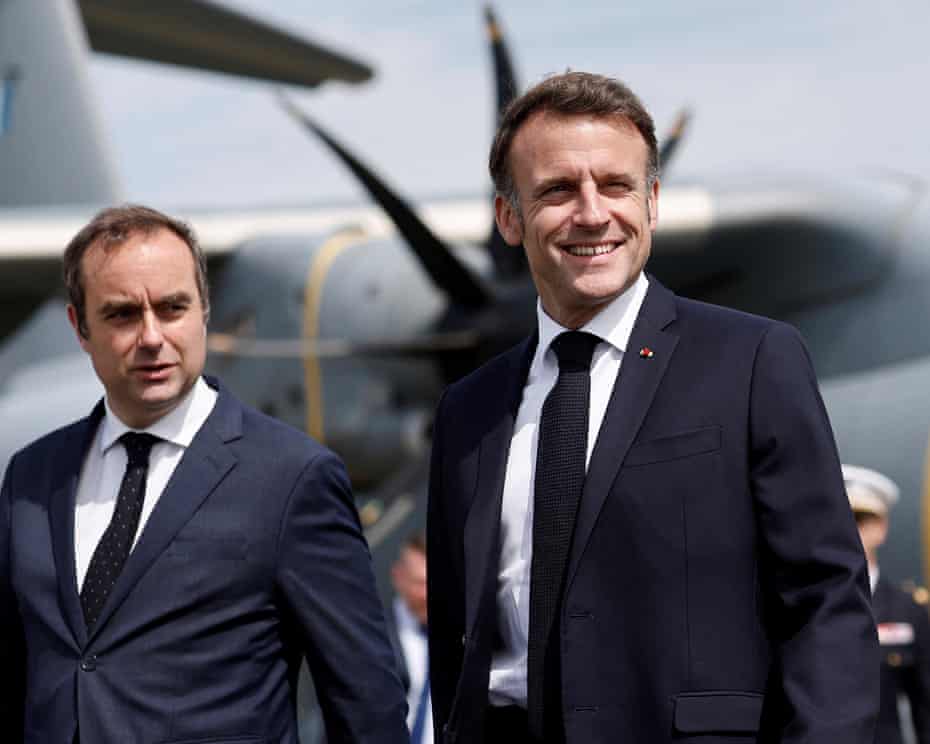
France has just reappointed Lecornu to government, as President Emmanuel Macron named him prime minister again despite the recent collapse of his prior cabinet. The reappointment came only days after Lecornu had resigned in the face of political upheaval.
Macron tasked him with forming a new administration that can confront the ongoing crisis and pass the 2026 budget under fraught parliamentary conditions.
The decision surprised many observers because Lecornu’s first government collapsed within hours. His previous attempt failed after opposition pressure and accusations of narrow appointments. Macron’s renewed trust in him underscores the lack of viable leadership alternatives in the deeply divided National Assembly.
Moreover, Macron granted Lecornu wide latitude to select ministers and lead negotiations. The president aims to balance continuity with renewal, pushing Lecornu to assemble a cabinet that reflects broader political inclusion. Macron expects the new government to break the cycle of instability.
Meanwhile, opposition parties voiced outrage. The far right denounced the move as undemocratic, while leftist groups pledged a no-confidence motion. Some centrists also criticized Macron for failing to reach out widely. Many view this reappointment as proof he clings to insiders rather than building consensus.
Furthermore, Lecornu accepted the assignment “out of duty,” promising to stabilize France and restore public confidence. He said he will work to deliver a budget by year’s end and address daily civic concerns. This gesture signals that he aims to demonstrate his capability swiftly.
In addition, Macron faces formidable constraints. His centrist coalition lacks a majority, and his predecessors have fallen under budget fights. Lecornu must navigate hostile factions in parliament and build working alliances for confidence votes and budget passage.
Also, economic confidence remains fragile. Business leaders warned that continued stagnation will damage growth and investor sentiment. The abrupt collapse of governments has unsettled markets. Macron and Lecornu must act fast to reassure both domestic and international audiences.
At the same time, the public longs for political clarity. Repeated crises have eroded trust in institutions. Many citizens see reappointments and resignations as theatrics rather than real reform. Now the burden falls on Lecornu to convince people that this government can last.
Finally, with Lecornu reappointed to government, Macron offers a second chance to a loyal lieutenant amid chaos. The new government that Lecornu forms in the coming days could define whether France emerges from paralysis or sinks deeper into instability. The stakes of this reboot are monumental.
About The Author