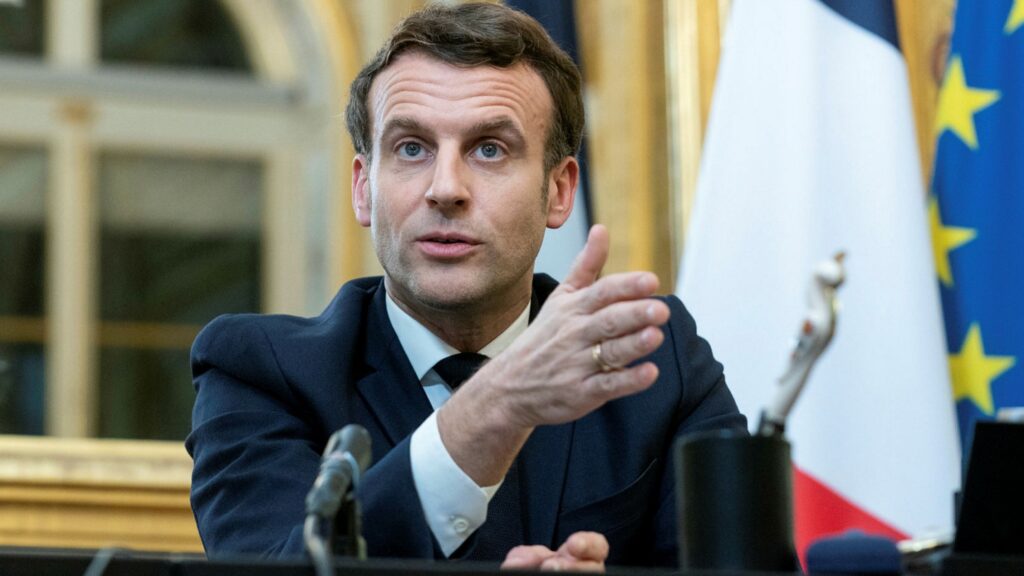
France’s president Emmanuel Macron unveiled his new cabinet just ahead of the constitutional deadline for presenting the 2026 budget. He and Prime Minister Sébastien Lecornu held marathon consultations before naming a fresh government. The new lineup aims to win trust and set a credible course for fiscal reform under pressure.
The announcement came on October 12, with Macron insisting the cabinet is mission-based and focused on budget delivery. Lecornu’s government must present the draft budget on Monday, giving Parliament time to scrutinize it. Macron reappointed Lecornu days after his prior government collapsed in response to criticism and political resistance. This new government seeks to stabilize the balance between presidential influence and parliamentary legitimacy.
Moreover, several key figures retained their roles. Jean-Noël Barrot stays as foreign minister, and Gérald Darmanin remains justice minister. Others shifted portfolios: Catherine Vautrin moves from labor to defense. New faces include Laurent Nuñez as interior minister, Roland Lescure as economy minister, and Monique Barbut heading environmental transition. This mix reflects Macron’s effort to blend continuity with renewal.
Meanwhile, Macron’s influence is evident in the cabinet composition. Many appointees are loyalists or technocrats aligned with presidential priorities. The government also included civil society voices to broaden its appeal. Analysts see this as Macron tightening his control while trying to appease political factions.
Furthermore, the new government must work quickly. It faces a fragile Parliament and must gain support for major reforms. Pension plans, taxation, and public spending cuts remain contentious. Opposition parties have already threatened no-confidence motions. Lecornu must prove he can deliver.
In addition, the political climate remains volatile. Macron still faces calls to resign and accusations of detachment. He mobilized this cabinet under pressure to show resolve. The urgency to present a credible budget drives the timing of this unveiling.
Also, public and financial markets watched closely. The formation of this government offers a test of stability. If it holds, it may calm market jitters. If it fails, France risks deeper crisis and governance paralysis.
Finally, as the cabinet unveiled before the deadline, its performance immediately becomes the focal point. The burden lies in delivering a balanced 2026 budget and restoring confidence in leadership. If Lecornu and his ministers succeed, the new government may salvage Macron’s standing and steer France out of crisis.
About The Author