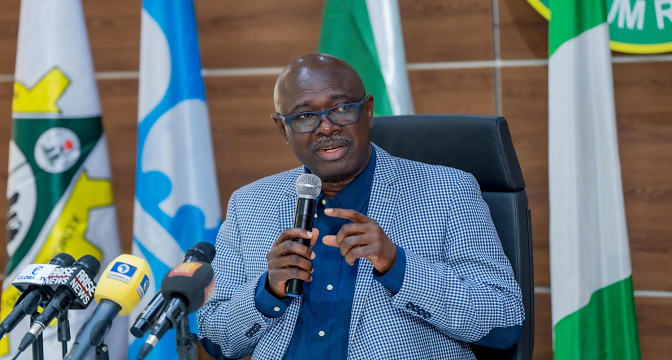
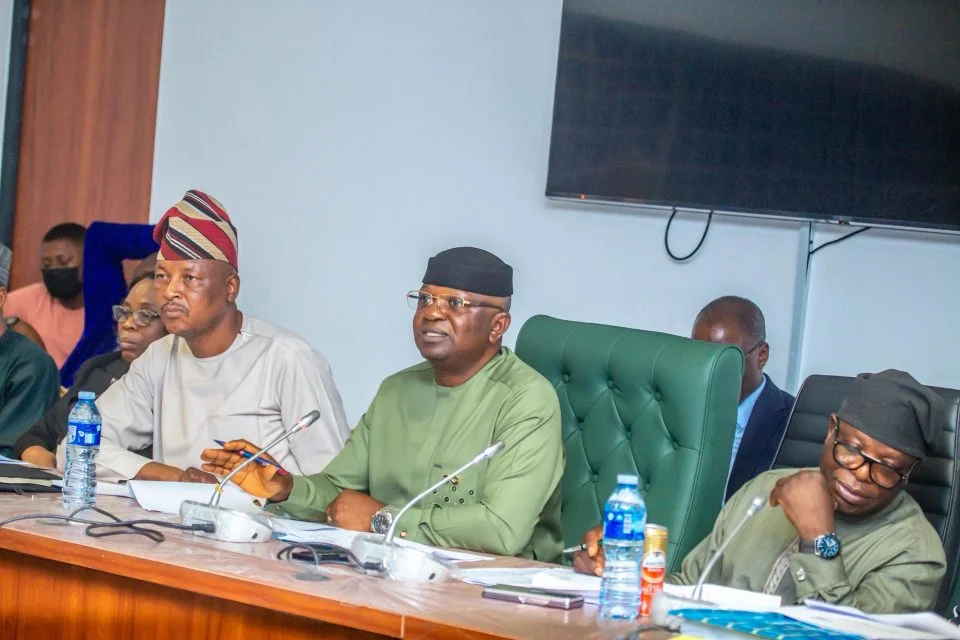
The Minister of Water Resources and Sanitation, Engr. Joseph Utsev, appeared before the House of Representatives Committee on Water Resources on Monday to defend the ministry’s proposed 2026 budget. The session provided lawmakers with an opportunity to scrutinize the ministry’s allocations, evaluate priorities, and ensure that the budget supports Nigeria’s national water and sanitation objectives.
Prioritizing Water Access and Sanitation
Engr. Utsev emphasized that the proposed budget is designed to improve access to safe drinking water and enhance sanitation nationwide. He pointed out that water and sanitation remain critical for public health, economic productivity, and overall quality of life.
The minister highlighted that the budget focuses on developing new water treatment plants, rehabilitating existing water infrastructure, and expanding rural water supply schemes. He also stressed investments in sanitation projects, especially in underserved communities, to reduce disease outbreaks and promote hygiene.
Furthermore, Utsev explained that the budget supports both urban and rural projects, ensuring that residents in remote areas benefit from government programs. He stated that rural water provision, in particular, remains a top priority to bridge the gap between metropolitan centers and less accessible regions.
Strengthening Accountability and Transparency
During the session, Engr. Utsev reassured lawmakers that the ministry has implemented robust monitoring mechanisms to ensure transparency. He stressed that every allocation in the 2026 budget will be tracked to prevent wastage, mismanagement, and corruption.
He also emphasized the ministry’s plan to use modern data and reporting systems for real-time monitoring of projects. By doing so, the ministry can ensure that interventions reach the intended beneficiaries and deliver measurable results.
Collaborative Efforts with States and Communities
The minister highlighted the importance of collaboration with state governments, local councils, and community stakeholders. He explained that joint efforts help ensure projects are sustainable, community-owned, and well-maintained.
Engr. Utsev also noted partnerships with development agencies and private sector organizations to complement government resources. These collaborations aim to fast-track the delivery of water and sanitation infrastructure while ensuring cost-effectiveness and efficiency.
Committee Questions and Clarifications
Members of the House Committee asked detailed questions about budget priorities, timelines for project completion, and strategies to address water scarcity in drought-prone areas. They also sought clarification on allocations for sanitation programs and rural water development.
In response, Utsev provided specific figures, project schedules, and explanations of how funds will be allocated. He emphasized that the budget balances infrastructure development, capacity building, and community-focused interventions. He further highlighted plans to expand public awareness campaigns on water conservation and hygiene practices.
Conclusion
The budget defense session demonstrated the ministry’s commitment to accountability, transparency, and effective service delivery. By engaging directly with lawmakers, Engr. Joseph Utsev showcased a clear roadmap for improving water access and sanitation services across Nigeria.
Through careful planning, collaboration with states and communities, and strong oversight mechanisms, the 2026 budget aims to deliver tangible benefits to citizens. The minister’s presentation reflects a proactive approach to addressing Nigeria’s water and sanitation challenges, ensuring that resources are effectively utilized to promote health, economic growth, and social development.
About The Author