
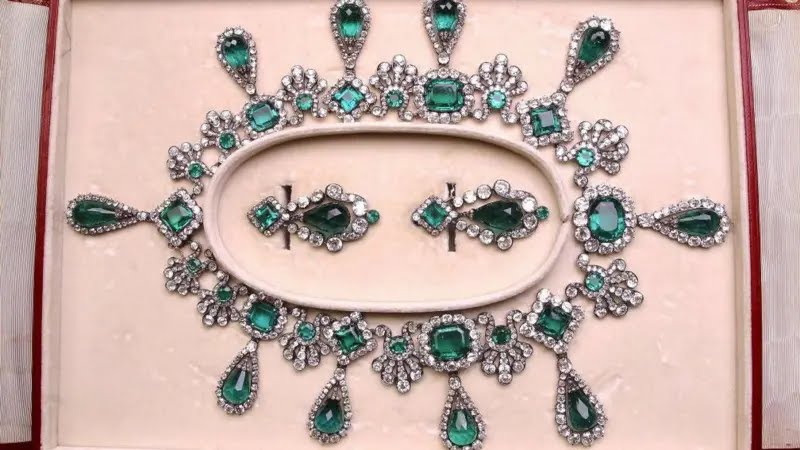
In a remarkable response to a brazen heist, unstolen jewels moved to the Bank of France early Friday under heavy police escort, according to French media reports. The move comes just five days after thieves made off with eight priceless French crown jewels valued at approximately $102 million.
Museum officials, in collaboration with security forces, evacuated the remaining high-value pieces from the Galerie d’Apollon to the national central bank’s underground vault.
The transfer of the unstolen jewels followed explosive criticism of the museum’s security posture after the daylight raid—a “smash and grab” operation executed in less than eight minutes.
A crane-lift skirting external cameras allowed four masked individuals to access an upper-floor window, haul parts of the crown jewels, smash display cases and escape on motorbikes. In light of that breach, shifting the remaining treasures to the Bank of France underscores how urgent protective steps became.
Moreover, the decision reflects stark concern about vulnerabilities. The Bank of France vault lies approximately 27 metres below ground in one of France’s most fortified facilities. Officials view it as better equipped to host heritage items pending restoration of museum security. The relocation, however, raises questions about how long the jewels will remain off public view and the potential impact on artifact-display obligations.
Furthermore, prosecutors report that over 150 DNA, fingerprint and trace samples have been collected at the crime scene and investigations continue apace. Although the unstolen jewels moved to emergency storage, detectives emphasise that recovery of the stolen items remains a top priority. They warn that if the pieces are dismantled or melted, their provenance may vanish permanently.
In addition, cultural authorities now face mounting pressure to overhaul security at major institutions. The director of the museum acknowledged “known and identified weaknesses” including gaps in external camera coverage and perimeter protection. Critics argue years of budget tightening and staff reductions contributed to the exposure and demanded accountability.
Also, political fallout has mounted as the burglary, relocation of remaining jewels and ongoing manhunt dominate national discourse. For France, the theft struck a symbolic blow to cultural prestige. With the unstolen jewels moved to heightened safekeeping, the country attempts to re-assert control over its heritage.
Finally, as unstolen jewels moved to safekeeping at the Bank of France, France enters a tense phase of cultural crisis management. The operation to protect remaining treasures signals seriousness, yet the missing pieces continue to loom large as national humiliation and security challenge.
The unfolding investigation and museum reforms will shape how France rebuilds trust and protects its patrimony.
About The Author