A Shocking Exit That Stirs a Nation
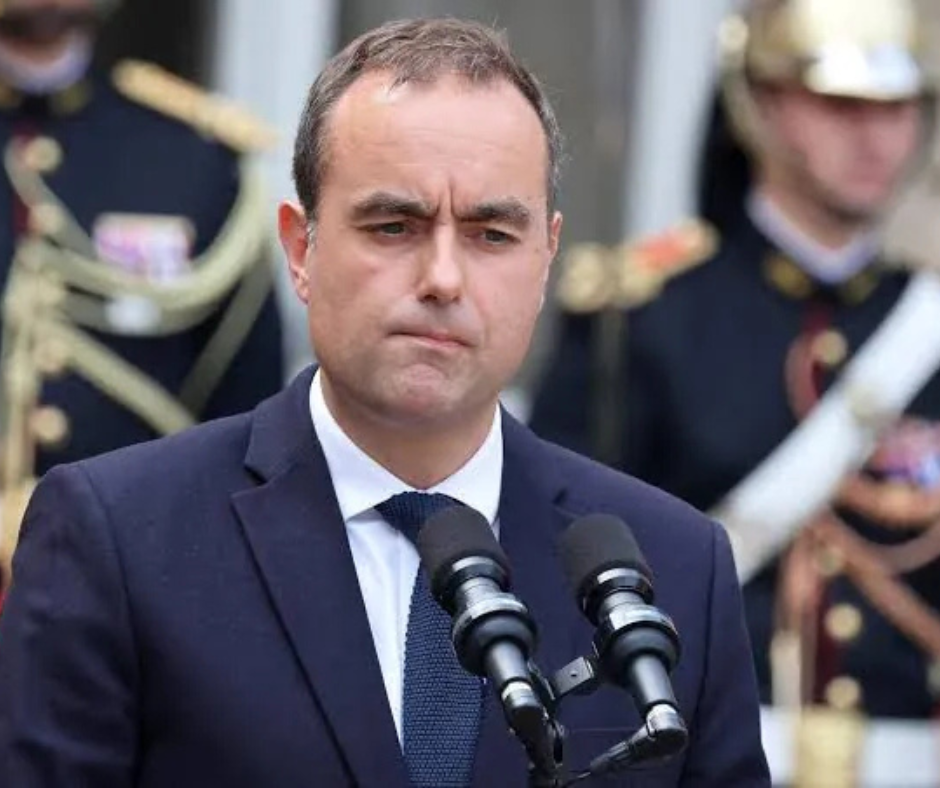
When the news of Sébastien Lecornu resignation broke, France stopped to listen. Few expected it. Fewer understood the real reason behind his sudden move. For weeks, whispers had filled the corridors of power in Paris. Some spoke of pressure. Others hinted at disagreement within the government. But when Lecornu finally stepped down, one truth became clear: France’s political calm had been shattered.
The resignation of Sébastien Lecornu, a man known for his discipline and loyalty, was more than a personal decision. It was a signal. A sign that something inside the French political system was beginning to crack. His exit didn’t just create a vacancy; it created a storm.
A Man at the Heart of Power
To understand the weight of this resignation, one must first understand who Sébastien Lecornu is. He wasn’t just another minister. He was one of President Emmanuel Macron’s most trusted hands, a strategist who knew the inner workings of government and the pulse of the French people.
Throughout his career, Lecornu played a delicate balancing act between loyalty and ambition. He had served as Minister of the Armed Forces, navigating France’s defense policies in a time of global uncertainty. He was calm in crisis and confident in his convictions. That’s why his departure struck such a deep chord.
When a man like Sébastien Lecornu walks away, people don’t just ask why, they ask what next?
The Ripple Effect Across France
The shockwaves of Sébastien Lecornu resignation spread quickly. Within hours, opposition leaders were calling it proof of deeper chaos inside Macron’s government. Supporters tried to calm the storm, saying the move was part of a normal political reshuffle. But the public wasn’t buying it.
In cafés and train stations, conversations turned tense. Many began to wonder whether France was entering another phase of instability. With protests already shaking the streets and inflation squeezing the middle class, Lecornu’s resignation felt like another crack in the wall.
And as every crack in politics goes, it widens fast. Other officials began distancing themselves from controversial policies. The media seized on every rumor. For a government already walking on thin ice, the loss of a strong hand like Sébastien Lecornu only made the ground shakier.
A Nation Searching for Direction
France is no stranger to political storms. Its democracy has weathered crises before. But this one feels different. The country stands at a crossroads, balancing domestic frustrations, global tensions, and the growing disconnect between leaders and citizens.
Sébastien Lecornu’s resignation brings that struggle into focus. It highlights the gap between the political elite and everyday French citizens who feel unheard. Many see his exit not just as a resignation, but as a reflection of a system that’s losing touch with reality.
The French people want more than promises. They want clarity, accountability, and leaders who can stand firm in difficult times. Lecornu’s departure, in a way, challenges those who remain in power to act differently, to rebuild trust before it fades completely.
What Comes Next for France?
In politics, every ending opens a door to something new. Sébastien Lecornu’s resignation may have deepened the current crisis, but it also offers a moment of reflection. France must decide whether to continue on its current path or reset its political course.
For now, Sébastien Lecornu remains silent. He hasn’t spoken publicly about his decision. But silence, especially in politics, speaks loudly. It hints at tension. It hints at discontent. And it reminds France that leadership is fragile, built on the trust of people who expect better.
The coming weeks will reveal whether this is just another political shuffle or the start of something bigger. But one thing is certain: France has lost one of its most experienced hands at a time it can least afford it.
Sébastien Lecornu’s resignation isn’t just about one man stepping down. It’s about a nation facing itself, questioning its politics, its leaders, and its future.
About The Author