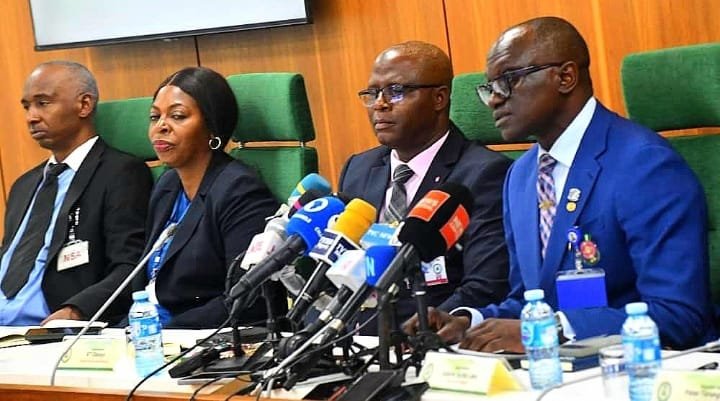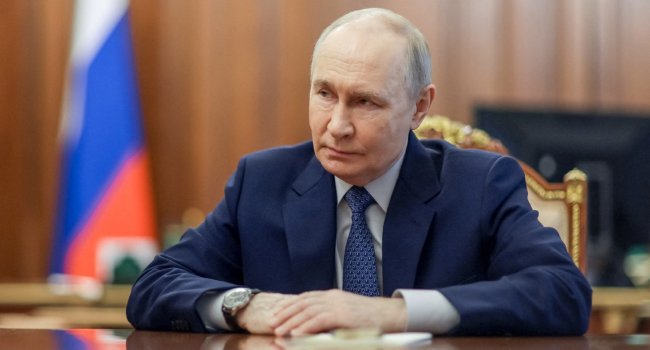

South Africa’s ambassador to France, Emmanuel Nkosinathi “Nathi” Mthethwa, was discovered dead after a fall from a Paris hotel, triggering widespread shock and urgency. The envoy found dead in Paris has raised many pressing questions about his final hours.
French authorities launched an investigation as diplomats and citizens reacted to the sudden loss. Mthethwa’s career had spanned high offices, and his posting in Paris was seen as a key diplomatic role.
To begin with, Mthethwa’s body was found in the inner courtyard of the Hyatt Regency Paris Étoile, following a fall from the 22nd floor. The prosecutor’s office revealed that his wife had alerted authorities after receiving a troubling message from him the night before. She reported that he apologized and appeared to express intent to harm himself. Investigators found no immediate signs of foul play.
In addition, examination of the hotel room indicated the safety mechanism of the window had been tampered with or forced open. Authorities said they saw no signs of struggle or forced entry. The judicial police’s crimes against persons unit took charge of the case, and a duty magistrate was dispatched to the scene. Officials did not publicly confirm the cause of the fall.
Beyond that, President Cyril Ramaphosa described Mthethwa’s death as a national loss and acknowledged his diplomatic contributions. He noted that Mthethwa had deepened France–South Africa cooperation during his tenure. The foreign ministry also issued statements mourning the loss and calling for clarity around how the tragedy unfolded.
At the same time, Mthethwa’s political history draws attention. He previously served as minister of police and also oversaw arts, sports, and culture portfolios. His roles in these offices attracted both praise and controversy. Some critics point to his connections to contentious past events in South Africa as part of his complex legacy.
Furthermore, diplomatic circles and international observers now await the full results of the Paris inquiry. Many hope authorities will examine all angles—mental health, security of the premises, and possible third-party involvement. The envoy found dead Paris case demands transparency and cautious handling by all sides.
More importantly, this incident underscores risks facing public figures under pressure. The precarious intersection of mental health, political scrutiny, and personal stress may become central to the inquiry. Some voices call for more support systems within diplomatic services worldwide.
In conclusion, the discovery of South Africa’s ambassador in such circumstances has jolted both nations. The envoy found dead Paris stands as a tragic event that extends beyond a diplomatic post—inviting scrutiny, compassion, and demand for answers. As investigators work, the world watches to see how truth emerges from confusion.
About The Author