
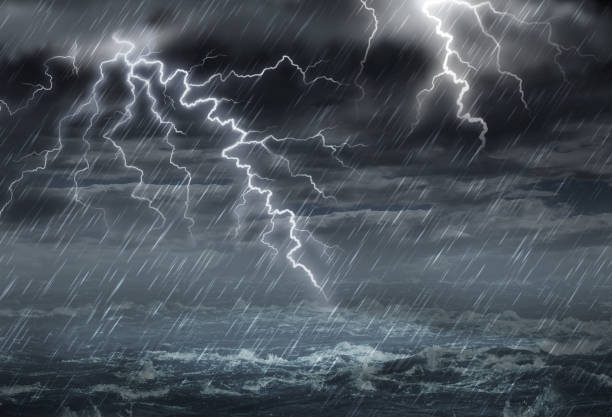
Extreme weather concept with dark storm clouds and stormy destructive winds with heavy rain in a 3D illustration style.
A powerful weather system named Storm Nils tore across southern France and northern Spain, leaving at least three people dead and thousands without power as communities grappled with the aftermath of strong winds, torrential rain, uprooted trees and flooded roads.
The severe storm struck on Thursday, February 12, 2026, causing chaos across parts of western Europe and forcing major transport cancellations while emergency crews worked to restore essential services.
Officials in Spain reported that a woman died when the roof of an industrial warehouse collapsed under heavy winds. In France, authorities confirmed that one person fell from a ladder in a garden during the storm, and a truck driver was killed the previous day when a falling tree smashed through his windscreen — all storm-related tragedies attributed to the system’s ferocity.
Widespread Disruptions Caused by the Storm in France and Spain
The storm in France and Spain encapsulates a series of infrastructural challenges triggered by the storm’s intensity. High winds and hard rain forced the cancellation of flights, trains and ferries on Thursday, with roads in southwestern France, northern Spain and parts of Portugal becoming perilous or impassable. Many commuters and families found travel plans upended as services were suspended for safety reasons.
The extreme weather also triggered widespread power outages. In France, grid operator Enedis mobilised thousands of workers to reconnect homes after the storm knocked out electricity for hundreds of thousands of customers. By Friday morning, about half of the 900,000 affected households had their power restored, though flooding and blocked roads continued to hamper repair efforts.
Local Voices and Weather Response
Residents in the hardest-hit areas described the storm as unusually severe. In Perpignan, a florist said she had “never seen anything like it,” recounting how powerful gusts tore tiles from roofs and hurled debris across streets. Another resident near Bordeaux echoed the sentiment, noting the surreal sound of wind lifting objects deep into the night.
Meteorological services characterised Nils as “unusually strong,” citing its combination of high winds and heavy rainfall as a key factor in the destruction. While the storm system had moved away from French territory by Friday, some regions remained on alert for flooding and further weather impacts.
Why This Matters
The storm in France and Spain, which has left three dead and thousands without power illustrates how extreme weather can rapidly shift from forecast warnings to life-altering impacts.
Beyond the tragic loss of life, the storm disrupted everyday routines, challenged infrastructure resilience and highlighted the ongoing need for emergency preparedness as climate change makes severe weather events more common.
Emergency responders continue to work on recovery and power restoration while authorities urge residents in flood-prone areas to remain vigilant as water levels and weather patterns evolve.
About The Author