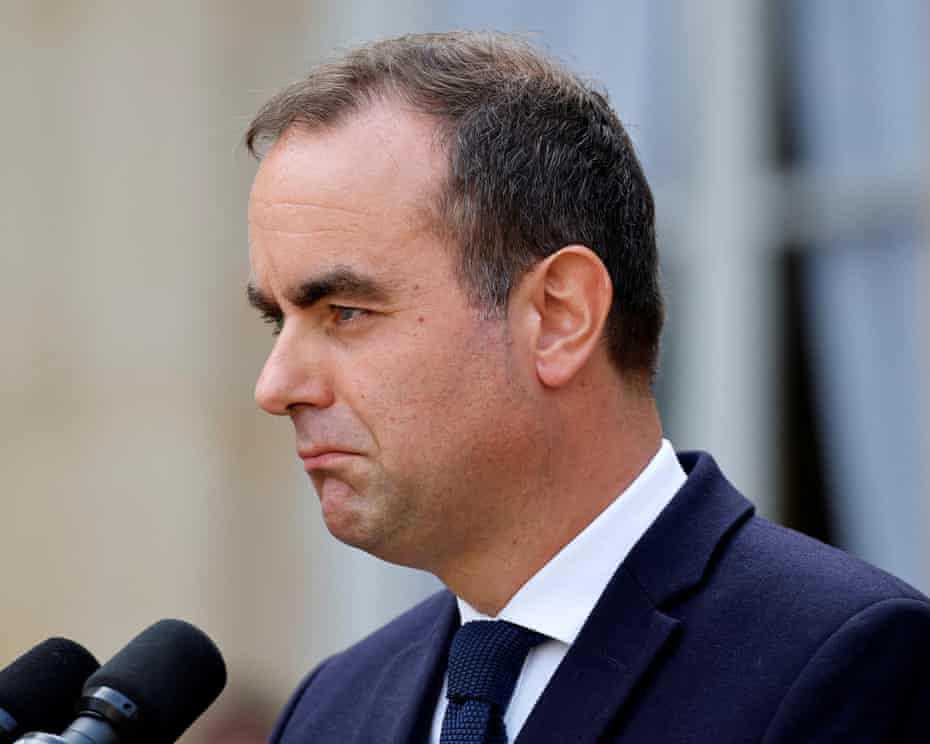
France faces budget backlash as widespread strikes and demonstrations hit under Prime Minister Sébastien Lecornu’s new leadership. Protesters took to the streets on Thursday in opposition to proposed budget cuts affecting public services and pensions. Lecornu faces his first major test since taking office, tasked with calming public anger over austerity plans.
Amid the unrest, transport systems faltered significantly. Paris Metro services saw major disruption, and regional and commuter trains suffered delays or cancellations. Schools closed in many areas and industrial workers joined strikes. Authorities warned the public to expect chaos in daily commutes and services.
Moreover, major trade unions demanded that the government drop its austerity proposals. They argued that freezing welfare and trimming public sector funding will hit low- and middle-income workers hardest. Demonstrators claim these policies deepen inequality and hurt ordinary lives. Their anger stems from both economic hardship and long-standing discontent.
In addition, many citizens feel ignored by leaders. Austerity comes after price inflation and high living costs eroded purchasing power. Some protesters carried signs about retirees, workers, and families unable to cope. For them, this budget does not just represent numbers—it means loss of security.
Meanwhile, the government is deploying massive police presence. About 80,000 officers mobilised nationwide to manage protests and blockades. In Paris, security forces prepared for clashes at key protest points. The scale signals how seriously Lecornu’s team regards the unrest.
Furthermore, Lecornu tried to soften his image by dropping certain unpopular proposals. He abandoned ideas like removing public holidays, and slowed plans to cut lifetime benefits for former ministers. He also opened talks with opposition, hoping compromise might ease tensions. Yet critics say these moves are too little, too late.
Also, strikes spread beyond transport. Hospitals, schools, and public offices saw walk-outs. Citizens struggled with canceled appointments and disrupted routines. The “Block Everything” campaign, a grassroots movement, helped organise the widespread shutdowns.
At the same time, Lecornu must win approval in parliament for his 2026 budget. He leads a minority government and lacks solid allies. Opposition from both far-left and right wings grew louder during the strike. The parliamentary vote looms as both an economic and political battleground.
Finally, as France faces budget backlash, the stakes grow high for both government and citizens. Lecornu’s ability to balance fiscal tightening with fairness will define his early term.
About The Author