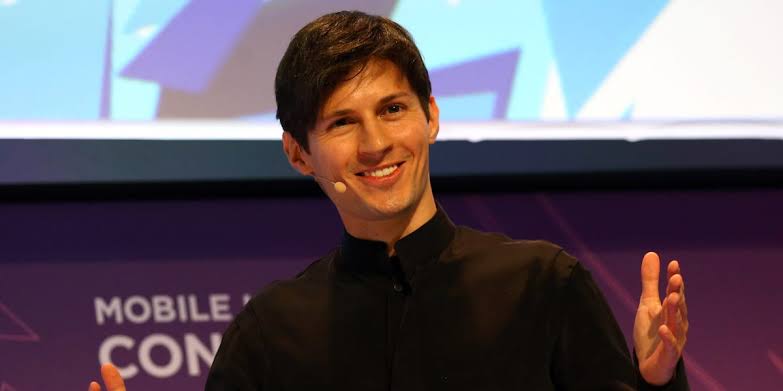
Telegram founder Pavel Durov has claimed that France sought censorship of certain Telegram channels in Moldova by using pressure linked to his legal case in France. He says French intelligence, via an intermediary, asked him to remove Moldovan voices ahead of elections. He rejected the request, arguing it violated platform independence and legal ethics.
Durov says that while he remained under judicial supervision in France, agents attempted to link censorship demands with favorable remarks in court. The intermediary allegedly offered to “say good things” about him to a judge in exchange. Durov described this proposal as unacceptable and warned it could amount to interference in his own case.
Moreover, the channels targeted in the requests were not necessarily violating Telegram’s policies, he stated. He noted that the second list of channels submitted for removal were politically critical voices, not rule-breaking ones. He refused to remove them, standing by a principle of neutrality. He also mentioned that earlier requests had removed only those channels that truly broke rules.
Meanwhile, French authorities have dismissed the claims as a pattern from Durov timed during elections. The foreign ministry pointed back to similar allegations he made about interference in Romania earlier this year. They criticized him for making accusations while votes are ongoing. French officials argue the claims lack public evidence and may mislead citizens.
Additionally, Durov claims that the censorship request overlapped with growing tensions between France and Eastern European nations. He suggested that states seek influence over digital platforms in disputed regions. He sees the push to remove Moldova channels as part of a broader trend. He warned that platforms like Telegram may become battlegrounds for political influence.
At the same time, Durov’s legal challenges in France sharpen the stakes. He denied all criminal charges filed in 2024, which include accusations of facilitating criminal activity through Telegram. His refusal to yield to such censorship demands links directly to debates about judicial fairness. He argued that no platform should be used as leverage in court negotiations.
Furthermore, the controversy highlights friction between governments and tech platforms over moderation and speech control. As encryption and free speech gain importance, requests like these raise alarms about state pressure on digital expression. Critics say that when states exploit legal leverage to influence content, free speech suffers.
Finally, France sought censorship of Telegram channels, according to Durov, represents a serious allegation that bridges legal and political realms. If true, it would reflect a troubling use of state influence over speech in international spaces. Whether France will respond with transparency or allow further debate remains to be seen.
About The Author