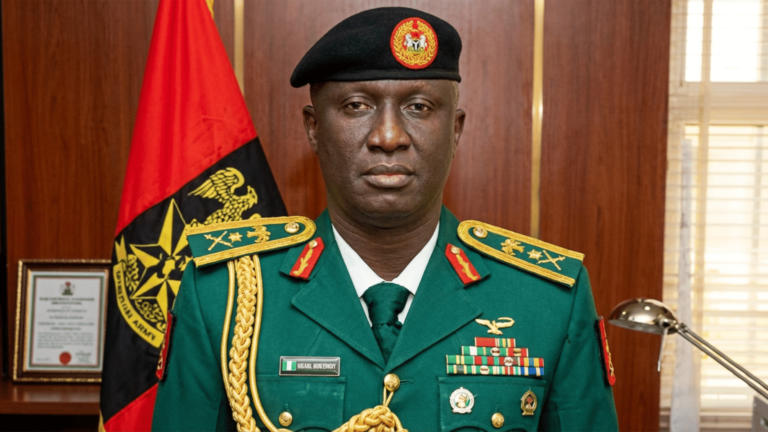
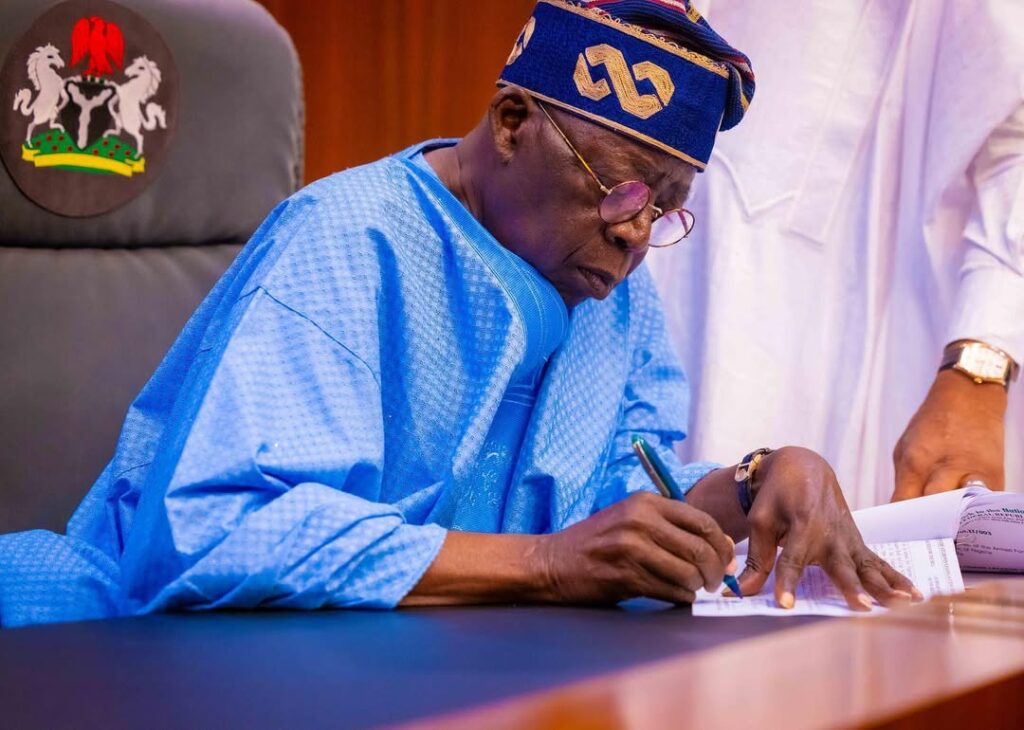
When President Bola Tinubu announced new diplomatic nominations, he introduced non-career ambassadors to the United States, United Kingdom, and France. The decision signals a renewed push to fill long-vacant envoy positions and restore full diplomatic presence abroad. The nominees will assume their roles only after the Senate completes its screening.
To begin with, the three persons nominated bring diverse backgrounds in intelligence, diplomacy, and national security. Ayodele Oke, a former head of the national intelligence agency and ex-envoy to the Commonwealth Secretariat in London, stands out for his experience in both diplomacy and security.
Retired Colonel Lateef Kayode Are, once head of the State Security Service and former National Security Adviser, offers deep security credentials. The third nominee, Amin Mohammed Dalhatu, previously served as Nigeria’s ambassador to South Korea under the prior administration.
Furthermore, the President’s announcement came after nearly two years of vacancy in many top foreign postings. The recall of all Nigerian ambassadors in September 2023 left several key missions without appointed envoys. The new nominations aim to close that gap and re-energize Nigeria’s diplomatic engagements worldwide.
In addition, the formal appointment process now shifts to the legislature. The list of nominees landed before the Senate, where the Senate President read the letter during plenary. Subsequently, the Senate Committee on Foreign Affairs received the assignment to review the credentials and report back within one week. This constitutional step must precede final confirmation.
Moreover, supporters of the move argue that personal ambassadorial representation remains vital. Despite advances in digital communication, diplomacy still relies heavily on face-to-face negotiations, bilateral engagements, and personal rapport among envoys and host countries. For that reason, having qualified ambassadors at the helm strengthens Nigeria’s influence on foreign policy and international cooperation.
Also, the choice of non-career nominees — rather than long-serving foreign service officers — reflects a strategy to blend diplomatic outreach with security insight. Given the global environment’s complexity, the backgrounds of Oke, Are, and Dalhatu may help Nigeria navigate both political diplomacy and security-related bilateral issues in partners such as the US, UK, and France.
If the Senate confirms these appointments, non-career ambassadors will begin redeploying to their respective capitals. Their presence could reinvigorate bilateral ties, trade negotiations, and international collaboration. It could also help address earlier concerns about Nigeria’s underrepresentation abroad.
Ultimately, Tinubu’s move highlights a renewed momentum to re-establish Nigeria’s global diplomatic footprint. By appointing non-career ambassadors to Nigeria, the government signals commitment to restoring robust foreign relations and strategic global partnerships in a changing world environment.
About The Author