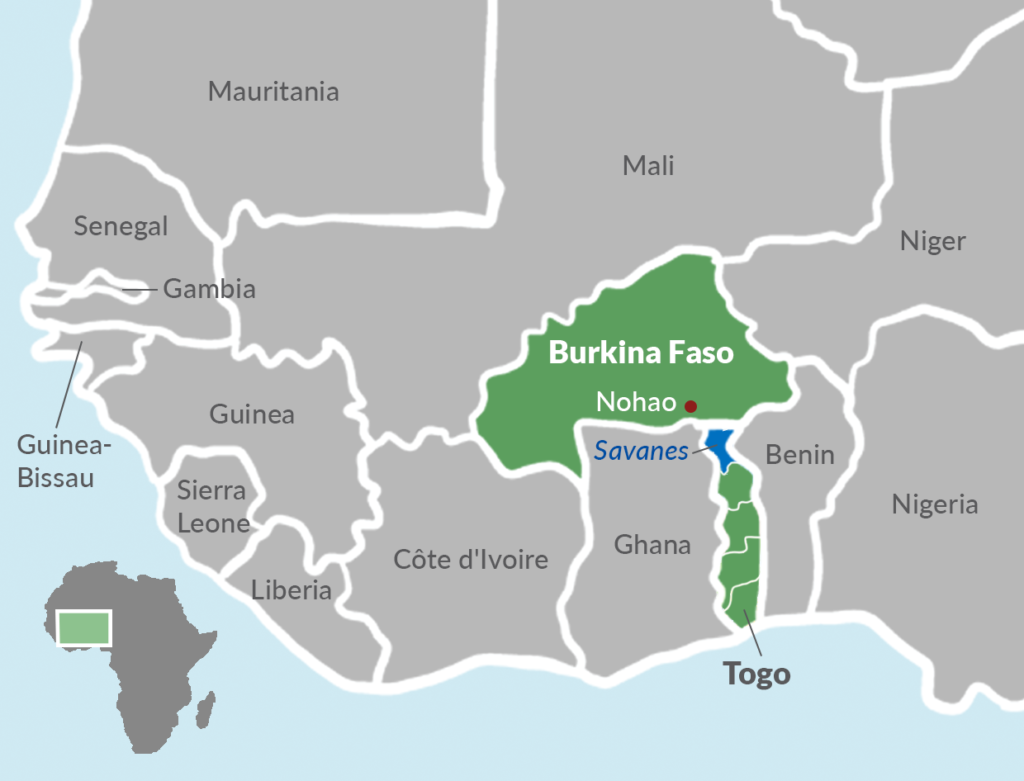
Togo withholds comment on Burkina Faso infiltration as jihadists from Burkina Faso step across into its northern regions. The Togolese government has maintained a policy of silence even as the situation worsens. This cautious stance reflects concerns about morale among troops and public anxiety in border areas.
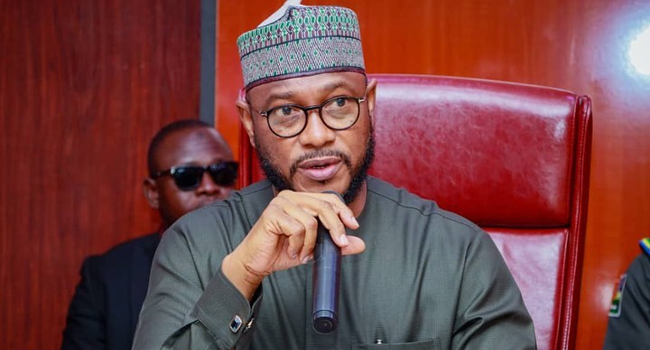
Despite recent deadly incidents, officials seldom discuss the violence openly. Soldiers and residents say attacks have increased across northern towns, yet authorities rarely confirm details. Foreign Minister Robert Dussey did reveal that jihadist groups killed at least 62 people since January. That number more than doubles the fatalities recorded throughout all of 2023, and it highlights a steep rise in violence.
Meanwhile, political analysts link the tight-lipped approach to a desire to keep the public calm and to maintain confidence in military operations. They call it a deliberate information lockdown. Journalists have been instructed not to report on attacks or casualties, as this could harm morale and visibility of state control.
Over the past year, the threat has moved beyond remote border areas. Analysts note that jihadist influence now reaches deeper into the northern prefectures of Oti and South Oti. These attacks no longer remain isolated, and they have begun destabilizing wider communities.
Security experts warn that porous borders are a key vulnerability. The fighters use border crossings to launch raids into remote villages and towns. Local authorities struggle with inadequate infrastructure and delayed reinforcements. In some districts, the absence of state services leaves communities exposed and recruits poorly supported.
Togo has responded by deploying around 8,000 soldiers in the north and boosting its defence budget. The increase shows the government’s awareness of the rising threat from Burkina Faso. Still, observers say military-only strategies may not be enough to curb the spread. They stress the need for better regional coordination and strengthened ties with neighbours and international allies.
Civilians feel the impact directly. Repeated disruptions force villagers to travel farther for basic supplies. Many have lost trust in the state’s ability to protect them. Local civil servants posted to the north often view the assignment as a hardship posting. The lack of healthcare and schools compounds the frustration.
Regional think tanks urge Togo to join broader security forums and share intelligence with ECOWAS partners. They recommend joint patrols and coordinated border controls. Analysts say that only a united response can halt the gradual expansion of jihadist influence.
Still, Togo’s current approach remains silent. Officials say publicizing details would embolden the militants and place civilians at greater risk. For now, Togo withholds comment on the Burkina Faso infiltration and hopes discretion protects its northern regions. The challenge lies in balancing transparency with strategy in the face of a growing threat.
About The Author