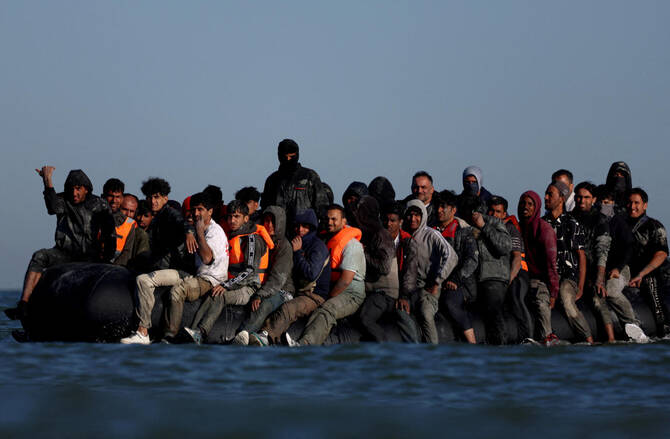
Two migrants die trying to cross the English Channel as French authorities confirmed the fatalities early Saturday. Rescuers saved about 60 other people from the same makeshift boat. The incident occurred off Neufchâtel-Hardelot, where around 100 migrants launched their crossing in unsafe conditions.
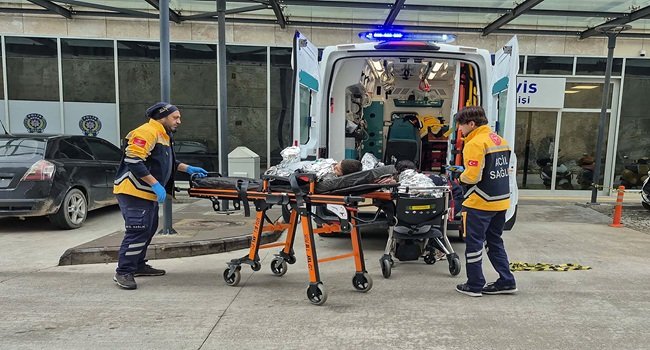
Rescue teams reached the vessel after it returned to shore, unable to run its engine. The two women were found in cardiac arrest. Medical teams attempted resuscitation but pronounced them dead around 5 a.m.
Meanwhile, about 60 survivors received medical attention for hypothermia and shock. One child and their parents were hospitalized for treatment. Local officials said that many on board had faced extreme exposure to cold while drifting.
Moreover, the tragedy raises renewed concerns over smuggling operations. Networks often overload small craft and neglect safety. Migrants pay smugglers to launch crossings despite the hazards of open water, making each attempt risky.
Furthermore, the incident adds to the growing count of lives lost in Channel crossings this year. In 2025, at least 25 deaths have been recorded in similar attempts. The rising number highlights how desperate journeys have become more deadly.
In addition, the site for departures remains focused on northern France, where migrants gather near beaches and clandestinely board boats. Coastal areas around Calais and Boulogne are the main points of departure. Authorities struggle to intercept dangerous crossings in time.
Also, under a recent UK-France “one in, one out” agreement, the UK can return migrants to France if they are deemed ineligible for asylum. The deal aims to discourage illegal crossings but has not prevented tragedies. Some observers worry the pact shifts responsibility without reducing risk.
Still, local authorities have called for stronger preventive action. They propose improved surveillance, better early warning systems, and more coordination with British counterparts. Civic groups argue that legal pathways must expand to reduce reliance on smuggling.
Finally, as migrants die trying to cross the Channel once again, the broader humanitarian crisis comes into sharper focus. The losses show how vulnerable people remain when fleeing instability or poverty. A long-term solution demands more than policy—it requires compassion and structural change in migration systems.
About The Author