
Why has France suddenly found itself at the center of Europe’s biggest economic debate? The country, long considered a pillar of stability, is now facing troubling questions.
Rising debt, slow growth, and social unrest have created cracks in its once-strong foundation.
Many observers now warn that France may soon be branded as the new “sick man of Europe.”
Why France Struggles With Economic Growth
Why does France, with its vast resources and strong institutions, continue to lag in growth? Analysts point to high public spending, rigid labor markets, and rising unemployment.
These issues weigh heavily on productivity. In contrast, neighboring economies like Germany have managed to stay competitive, even in turbulent times.
France, however, seems caught in cycles of reform and resistance.
The yellow vest protests revealed the deep frustrations within society. Citizens want change, yet the path toward reform remains slow.
Every attempt by leadership to restructure pensions or cut spending sparks nationwide protests. The result is stagnation. France struggles to move forward, while other European states adapt faster.
Debt Becomes a Growing Burden
France is also wrestling with record levels of public debt. Experts warn that this debt is no longer sustainable if growth continues to stall.
Investors grow wary, and confidence in the French economy weakens. At the same time, inflation and energy shocks from global crises have added extra pressure.
The government often turns to borrowing instead of tough policy choices. While this may provide temporary relief, it raises long-term risks.
If reforms remain delayed, France could find itself trapped under the weight of debt.
Political and Social Strains
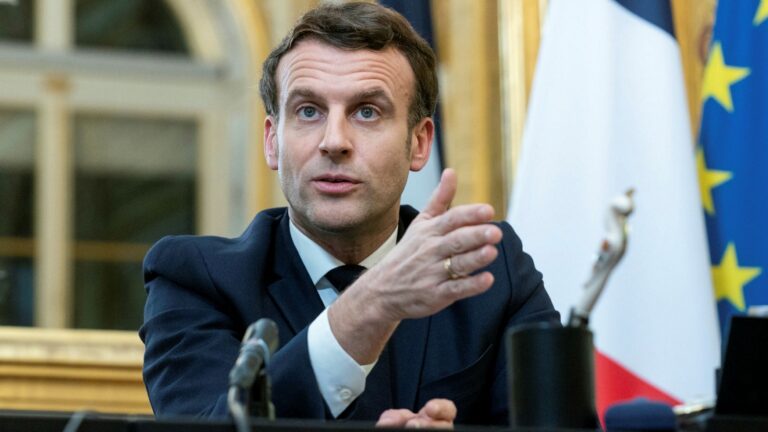
Politics further complicate the picture. President Emmanuel Macron has championed reforms, yet he faces stiff resistance from trade unions and opposition parties.
This constant clash between government and street protests erodes confidence in stability.
Citizens demand fair wages, job security, and protection of social benefits, yet the state struggles to balance these needs with fiscal responsibility.
Social unrest weakens France’s image abroad. Investors hesitate. International partners question whether France can still lead Europe as it once did.
The political divide deepens, and national unity remains fragile.
Why It Matters for Europe
France is not just any European economy. It is the second largest in the eurozone, a nuclear power, and a diplomatic heavyweight.
If France falters, the ripple effects will spread across the continent. The euro will face pressure. European markets will feel the strain. Stability in Brussels could be shaken.
This is why the current situation has sparked global concern. Observers know that Europe cannot afford a weak France. The stakes are too high.
About The Author