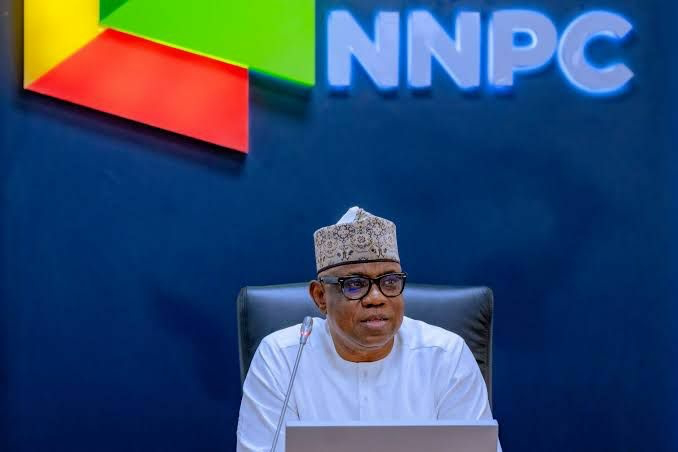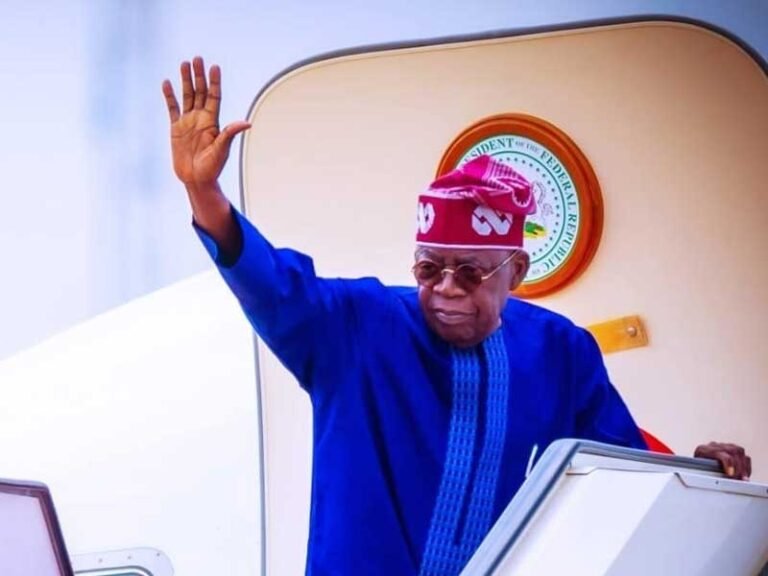
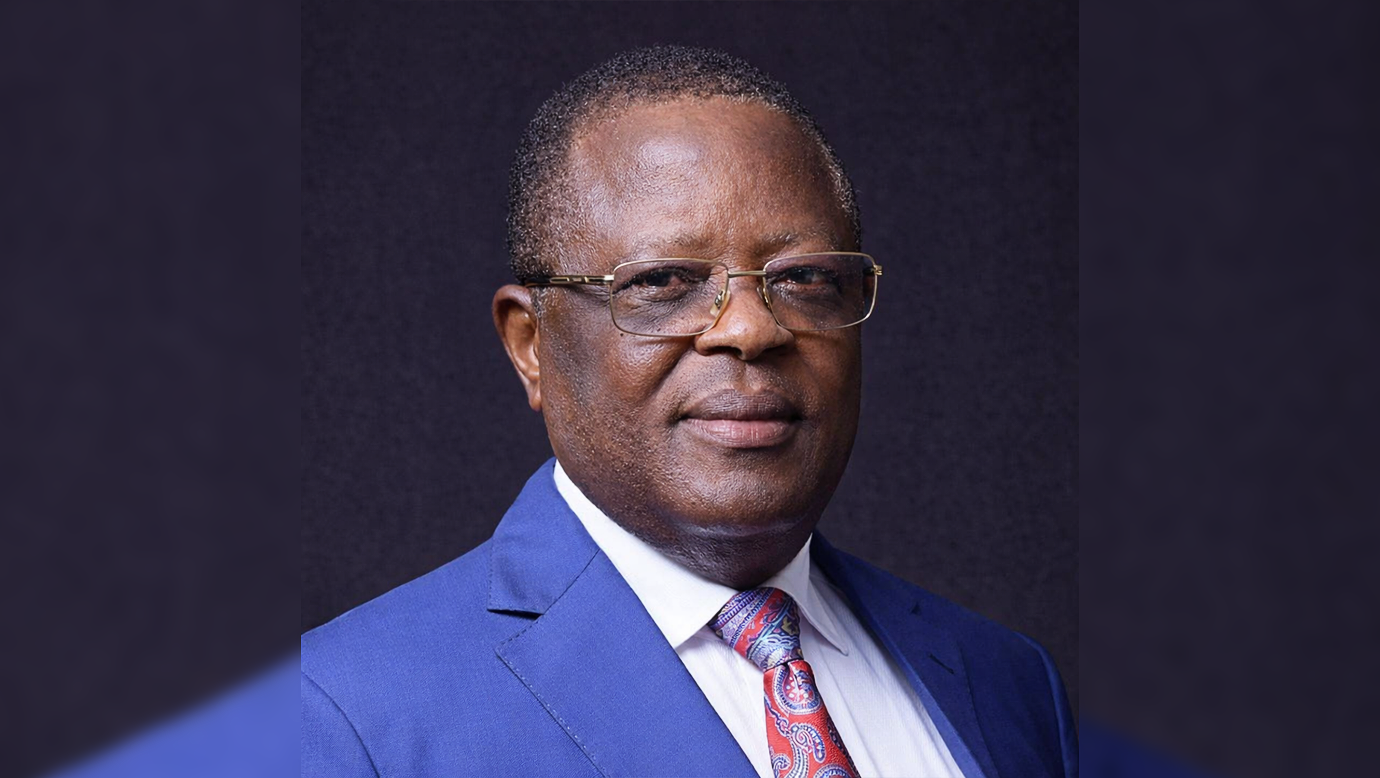
The leadership of the Igbo Community Association (ICA) in the Federal Capital Territory (FCT), Abuja, has challenged recent statements by Imo State Governor, Senator Hope Uzodimma, Minister of Works, Chief David Umahi, and the Deputy Chief Whip of the Senate, Senator Onyekachi Nwebonyi, regarding the outcome of the 2027 presidential election in the South-East.
The association reacted to declarations by the political leaders that President Bola Ahmed Tinubu would secure a landslide victory across the five South-East states during the forthcoming presidential election, describing such predictions as premature and insisting that the electorate alone possesses the constitutional authority to determine election outcomes.
Furthermore, the ICA maintained that political endorsements and public declarations should not be interpreted as representing the collective position of all people within the South-East, stressing that voters remain free to make independent choices during democratic elections.
According to the association, democratic participation is founded on the principles of free choice, political diversity, and respect for the electoral process, adding that no individual or political group can predetermine the decision of the electorate before an election takes place.
The development reflects the growing political conversations and differing viewpoints emerging across Nigeria as political consultations and alignments continue ahead of the 2027 general elections.
Association Responds to Political Statements
The Igbo Community Association said it considered the recent political declarations inappropriate.
Furthermore, the group argued that election outcomes should remain the exclusive decision of registered voters rather than public predictions by political leaders.
Democracy belongs to the people.
Citizens determine electoral outcomes through voting.
Emphasis on Democratic Choice
The association stressed the importance of respecting the democratic rights of citizens.
Furthermore, it maintained that every eligible voter has the constitutional freedom to support the candidate or political party of their choice.
Freedom strengthens democracy.
Political participation remains a constitutional right.
Choice belongs to voters.
Political Diversity Remains Important
The ICA also noted that different political opinions exist across the South-East.
Furthermore, it argued that no single political position should automatically be presented as representing the views of the entire region.
Diverse opinions enrich democracy.
Political competition encourages accountability.
Plurality strengthens governance.
Growing Political Engagement Ahead of 2027
Political consultations have continued to intensify nationwide.
Furthermore, political parties, community groups, stakeholders, and supporters continue engaging in discussions as preparations gradually build toward the next general elections.
Consultations shape political strategies.
Public engagement remains an important democratic process.
Dialogue encourages participation.
Respect for Electoral Processes
The association urged political actors to respect Nigeria’s electoral institutions.
Furthermore, it emphasised that credible elections depend upon fairness, transparency, peaceful participation, and respect for the choices made by citizens.
Strong institutions build confidence.
Peaceful elections strengthen democracy.
Credibility encourages trust.
National Conversations Continue
The differing positions expressed by political leaders and community organisations demonstrate the active nature of Nigeria’s democratic environment.
Furthermore, open political debate allows citizens to evaluate competing viewpoints while participating actively in public discourse.
Discussion supports democracy.
Healthy debate encourages informed decision-making.
Engagement promotes accountability.
Looking Ahead
The response by the Igbo Community Association (ICA) to recent political statements regarding the 2027 presidential election highlights the diverse opinions that continue to shape Nigeria’s democratic landscape. Furthermore, the association maintains that while political leaders may express personal views or endorsements, the ultimate decision regarding electoral outcomes rests solely with the Nigerian electorate through constitutional voting processes.
As preparations for the 2027 general elections gradually gather momentum, continued respect for democratic institutions, peaceful political engagement, issue-based campaigns, and the freedom of citizens to make independent electoral choices will remain essential for strengthening Nigeria’s democracy and preserving public confidence in the electoral process.
About The Author