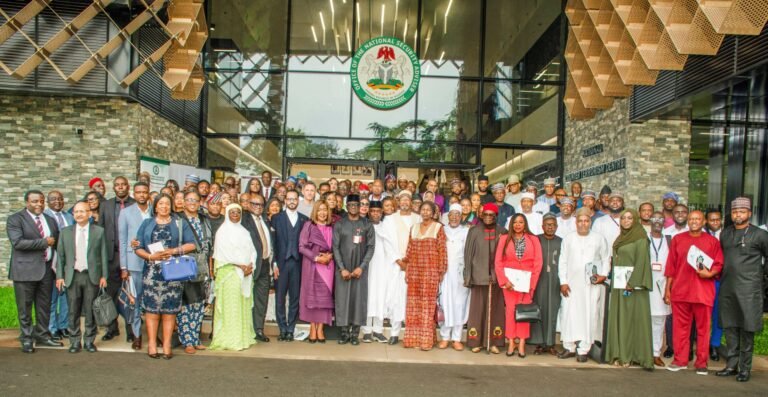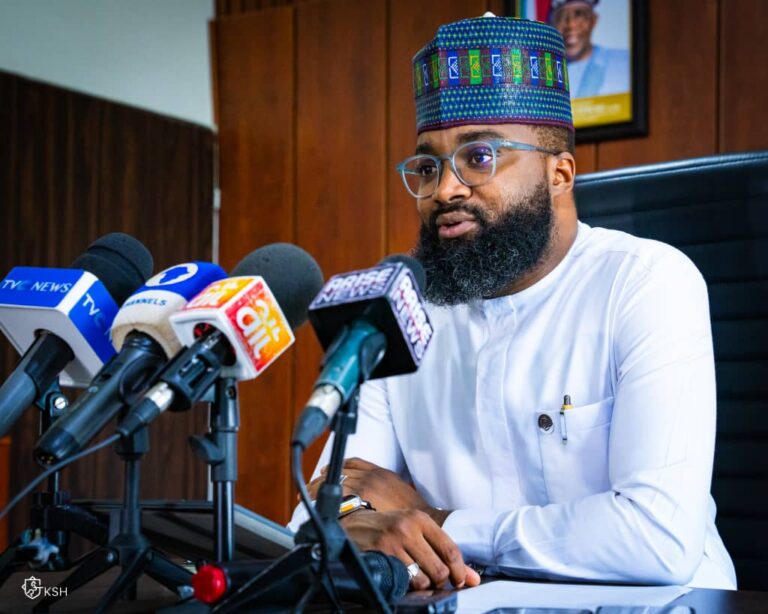
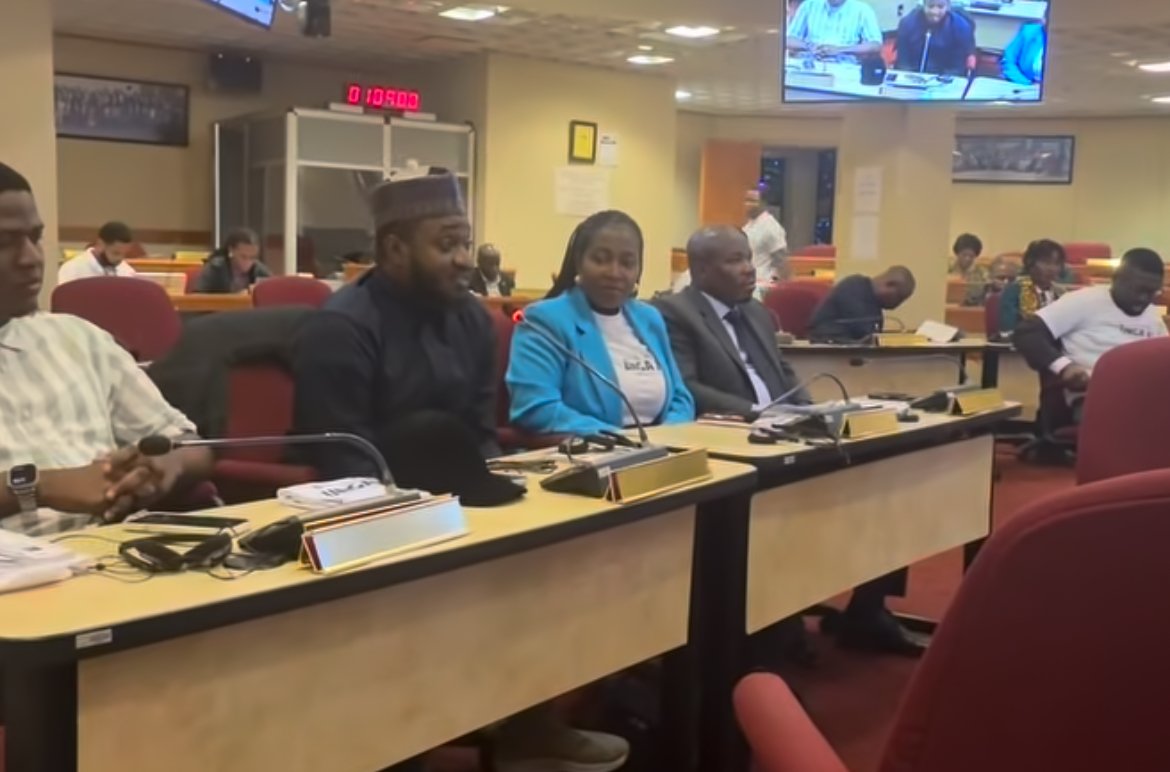
Hon. Abdulazeez Abubakar Kaka attended a UN Youth Townhall Side Event organised during the 81st United Nations General Assembly, where young people, government representatives and other stakeholders discussed ways to strengthen youth participation, leadership and opportunities for development.
Kaka, who serves as the Coordinator of the City Boy Movement Northwest and Zonal Director of Youth Mobilization Northwest, participated in the engagement as conversations around the role of young people in shaping communities and national development took centre stage.
The 81st United Nations General Assembly brought world leaders and stakeholders together in New York under the theme, “Restoring Trust, Managing Transformation: A United Nations That Delivers for All.”
Youth Participation Takes Centre Stage
The youth engagement provided an opportunity to discuss the challenges facing young people and the need to create meaningful avenues for them to participate in decision making.
Kaka emphasised the importance of moving beyond approaches that treat young people simply as beneficiaries of government programmes.
Instead, he highlighted the need to recognise young Nigerians as active participants and partners in building stronger communities and institutions.
That perspective places greater emphasis on empowerment, skills development, entrepreneurship and leadership.
From Youth Empowerment to Self Reliance
One of the major themes of the engagement was the importance of creating opportunities that enable young people to become economically and socially self reliant.
For many young people, access to education alone may not be enough. They also require practical skills, entrepreneurial opportunities, mentorship and platforms through which they can contribute to their communities.
Kaka therefore stressed the importance of programmes that equip young people with the tools and opportunities required to build sustainable livelihoods.
Moreover, strengthening these opportunities can help young people move from being passive recipients of development initiatives to becoming contributors to economic and community development.
Connecting Nigerian Youth With Global Conversations
Kaka’s participation also provided an opportunity to connect the experiences and aspirations of young Nigerians, particularly those from the Northwest, with broader international discussions on youth development.
The engagement reflects the growing importance of ensuring that young people from different regions have opportunities to participate in global conversations.
This is particularly relevant as the United Nations continues to place youth participation at the centre of its wider development agenda. The UN Youth Office describes its Youth Townhall initiative as a platform designed to strengthen inclusion, reduce fragmentation and create stronger opportunities for young people to participate in decision making.
Leadership Opportunities Matter
Beyond employment and entrepreneurship, the discussion also highlighted the importance of leadership opportunities.
Young people need platforms where they can develop leadership experience, engage with decision makers and contribute ideas to policies and programmes affecting their communities.
Consequently, meaningful youth participation requires more than inviting young people to attend events. It requires institutions to create channels through which their ideas can influence decisions and community development.
Strengthening Community Transformation
Youth empowerment also has implications beyond individual development.
When young people gain access to skills, opportunities and leadership platforms, they can become more effective contributors to their communities.
This can support initiatives in education, technology, entrepreneurship, peacebuilding and social development.
The United Nations has similarly highlighted the role of young Africans as innovators, community leaders and contributors to solutions addressing challenges in their societies.
Collaboration Across Borders
The participation of stakeholders from Nigeria and Sierra Leone added another dimension to the engagement.
Both countries face different challenges, but they also share opportunities to strengthen youth participation, skills development and cross-border collaboration.
Such engagements can allow young leaders and institutions to exchange experiences and explore approaches that could be adapted to local circumstances.
Moreover, collaboration between African countries can help ensure that youth development strategies reflect the realities of young people across the continent rather than relying solely on international models.
A Broader Role for Young Nigerians
Kaka’s participation comes as youth mobilisation and inclusion continue to feature prominently in Nigeria’s political and development conversations.
His involvement in the City Boy Movement’s youth mobilisation structure places him within an organisation focused on engaging young people and expanding grassroots participation.
However, youth engagement extends beyond political mobilisation. It also involves education, entrepreneurship, digital skills, community development and opportunities for young people to participate meaningfully in public life.
That broader perspective was reflected in the UN engagement, where the focus centred on creating practical opportunities for young people to contribute to society.
From Dialogue to Action
While international forums provide valuable platforms for discussion, their long term importance depends on what follows after the conversations.
For young Nigerians, the key question is whether discussions about inclusion and empowerment translate into concrete opportunities.
That means expanding access to skills training, supporting entrepreneurship, creating employment opportunities and giving young people meaningful roles in community development.
Therefore, youth townhall engagements can serve as starting points for partnerships rather than simply one off discussions.
Building the Next Generation
Kaka’s participation at the UN Youth Townhall Side Event underscores the growing recognition that young people must have a place in conversations about the future.
As Nigeria and other African countries navigate technological change, employment pressures and evolving social expectations, the contribution of young people will remain increasingly important.
Ultimately, empowering young people means giving them more than a voice. It means creating the skills, opportunities, platforms and partnerships that allow them to turn ideas into action.
For Nigeria, connecting grassroots youth experiences with global conversations can help broaden the discussion around leadership, entrepreneurship and community transformation while placing young people closer to the centre of the country’s development agenda.
About The Author