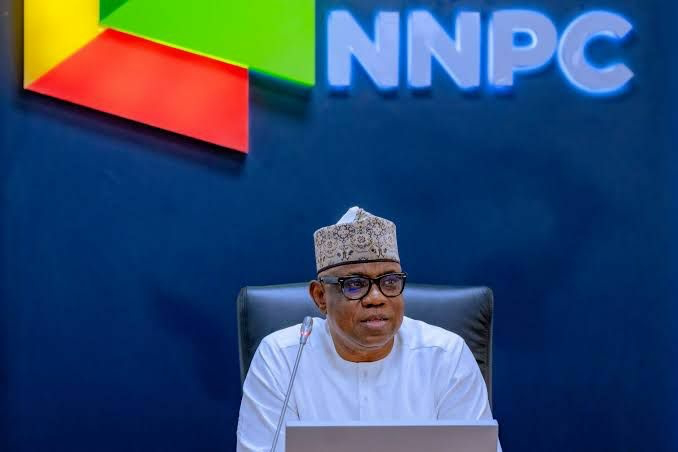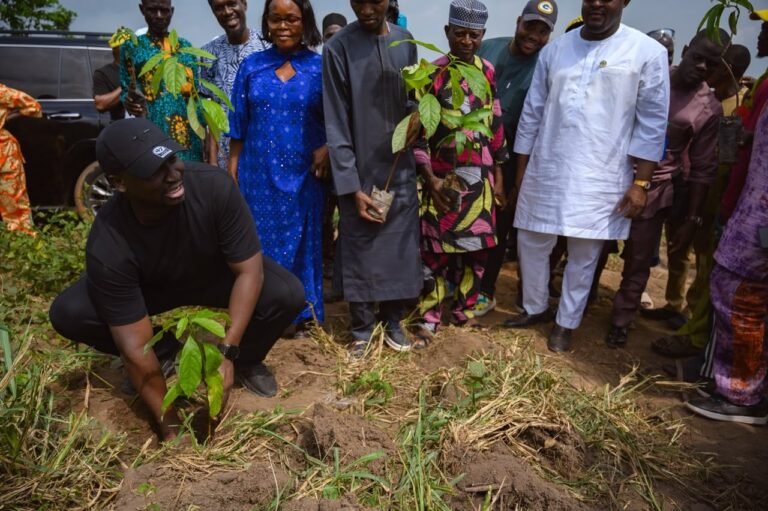
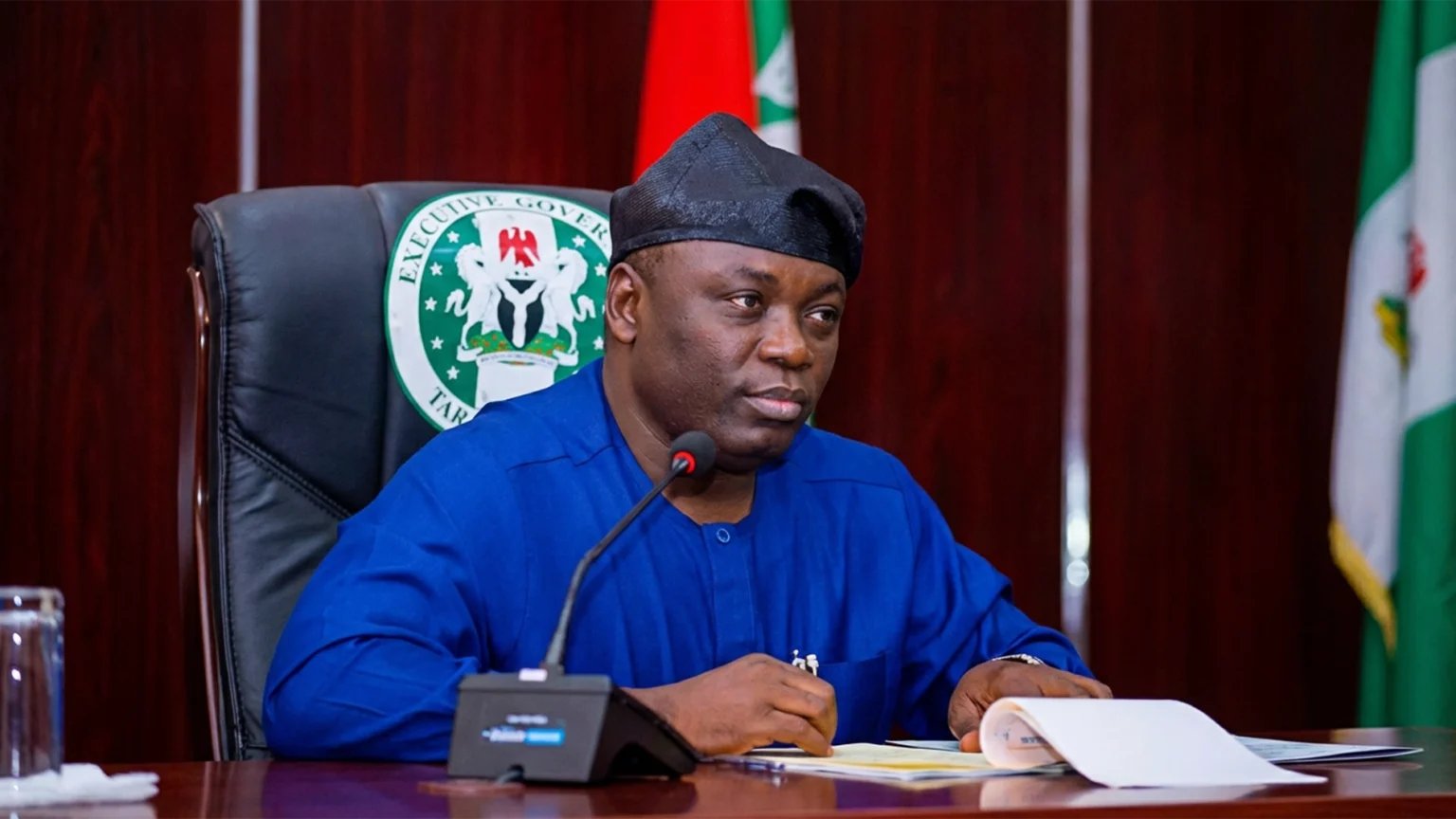
In a major move aimed at reshaping governance and deepening grassroots development, Governor Agbu Kefas has unveiled plans to establish 14 Special Development Areas across Taraba State.
The governor described the initiative as a strategic intervention designed to close longstanding development gaps, improve service delivery and bring government closer to rural communities.
According to Kefas, the proposed Special Development Areas will serve as important administrative structures that enhance governance, promote inclusion and ensure that development reaches underserved communities across the state.
Bringing Government Closer to the People
One of the central objectives of the initiative is to strengthen the connection between government institutions and local communities.
Many rural areas face challenges related to limited access to public services, infrastructure and development programmes. Consequently, the creation of Special Development Areas is expected to improve government presence and responsiveness at the grassroots level.
The governor emphasized that effective governance requires institutions that are accessible to the people and capable of addressing local needs promptly.
Furthermore, decentralizing certain administrative functions can help improve efficiency and strengthen community participation in governance.
Addressing Development Gaps
Kefas noted that development disparities continue to affect many communities across the state.
While some areas have witnessed significant progress, others still require greater attention and investment. Therefore, the new development areas are expected to facilitate more targeted interventions and equitable distribution of resources.
The governor explained that the initiative will help identify specific community needs and create opportunities for tailored development strategies.
As a result, more communities are expected to benefit from improved infrastructure, social services and economic empowerment programmes.
Strengthening Rural Development
Rural communities remain central to the economic and social fabric of Taraba State.
Agriculture, small-scale enterprises and community-based activities continue to support livelihoods across many parts of the state. However, sustainable growth often depends on access to infrastructure, education, healthcare and economic opportunities.
The proposed Special Development Areas are expected to support these priorities by improving coordination and accelerating development projects at the local level.
Moreover, stronger administrative structures can help attract investment and encourage greater community engagement in development initiatives.
Promoting Inclusive Governance
The governor stressed that inclusive governance remains a key pillar of his administration’s agenda.
By creating additional structures closer to the people, the government aims to ensure that more citizens have opportunities to participate in decision-making processes and development planning.
Furthermore, increased local engagement can strengthen accountability and improve the effectiveness of government programmes.
Observers believe that greater inclusion often leads to better policy outcomes and stronger public trust in institutions.
Driving Economic Growth and Opportunity
Beyond governance reforms, the initiative is expected to contribute to economic development across the state.
Improved infrastructure, better service delivery and stronger local administration can create an environment that supports business growth, job creation and investment.
Consequently, communities within the proposed development areas may experience increased economic activity and expanded opportunities for residents.
The governor expressed confidence that the initiative will help unlock the potential of rural communities and contribute to the state’s long-term prosperity.
Looking Ahead
Governor Agbu Kefas described the establishment of the 14 Special Development Areas as a transformative step toward building a more inclusive, responsive and development-focused Taraba State.
As implementation plans progress, stakeholders will be watching closely to assess the impact of the initiative on governance, service delivery and community development.
For many residents, the proposal represents a significant opportunity to strengthen grassroots administration and accelerate development in areas that have historically received limited attention.
Ultimately, the initiative reflects a broader vision of bringing government closer to the people while creating pathways for sustainable growth and shared prosperity across Taraba State.
About The Author