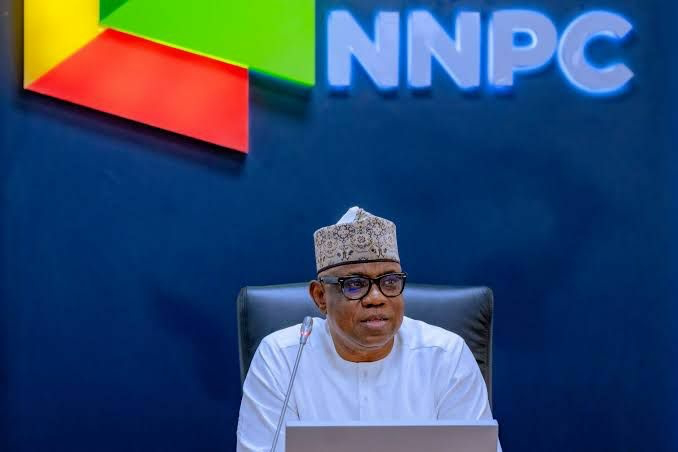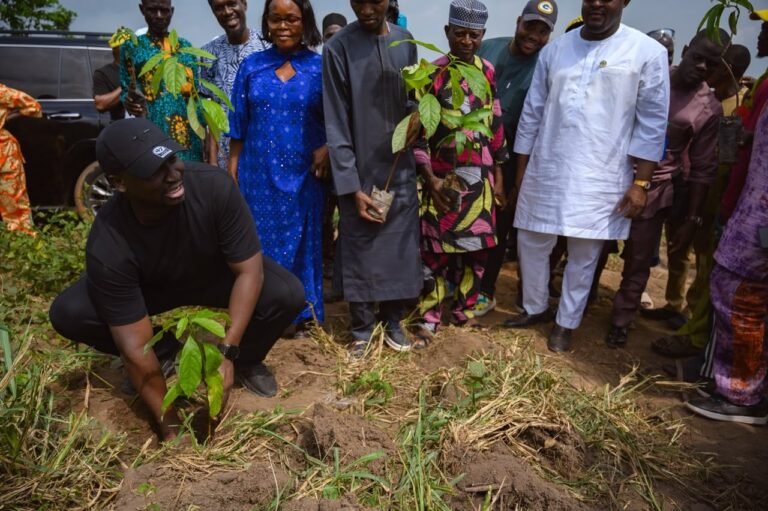

Governor Hyacinth Alia of Benue State has announced that farmers in the state will purchase fertiliser at a subsidised rate of N28,000 per bag as part of efforts to increase agricultural production and strengthen food security.
The initiative forms part of the state government’s broader strategy to support farmers, reduce production costs and improve crop yields during the farming season.
According to the governor, agriculture remains central to the economic development of Benue State, which is widely regarded as the food basket of the nation.
Reducing the Burden on Farmers
The rising cost of agricultural inputs has continued to pose challenges for farmers across the country.
Consequently, many producers struggle to secure adequate quantities of fertiliser and other essential farming materials needed to maximize productivity.
By introducing a subsidy programme, the Benue State Government aims to ease the financial burden on farmers and encourage increased participation in agricultural activities.
Furthermore, affordable access to fertiliser is expected to enhance soil fertility, improve crop performance and support higher harvests.
Strengthening Food Security
Governor Alia emphasized that food security remains a top priority for his administration.
He noted that increasing agricultural productivity is essential not only for feeding the population but also for strengthening the state’s economy and creating employment opportunities.
Therefore, the subsidised fertiliser programme is designed to empower farmers and ensure they have the resources needed to cultivate larger areas of farmland effectively.
Additionally, improved agricultural output can contribute to stabilising food supply and reducing pressure on food prices.
Supporting Rural Communities
Agriculture serves as the primary source of livelihood for many rural households across Benue State.
As a result, policies that support farmers often generate positive economic effects throughout local communities.
The governor explained that helping farmers increase production would stimulate economic activities, improve incomes and strengthen rural development.
Moreover, successful harvests can create opportunities across the agricultural value chain, including processing, transportation and marketing.
Driving Economic Growth Through Agriculture
Benue State’s economy depends heavily on agriculture.
Consequently, investments that improve productivity can significantly contribute to economic growth and development.
The fertiliser subsidy programme reflects the administration’s commitment to leveraging agriculture as a tool for poverty reduction, job creation and wealth generation.
Furthermore, increased agricultural production can enhance the state’s contribution to national food supply while attracting greater investment into the sector.
Commitment to Agricultural Development
Governor Alia reiterated his administration’s determination to support farmers through practical interventions and policies that address their needs.
He stressed that sustainable agricultural development requires continuous investment in inputs, infrastructure and farmer support programmes.
Therefore, the government remains focused on implementing initiatives that strengthen the agricultural sector and improve the welfare of farming communities.
The governor also encouraged farmers to take advantage of the subsidised fertiliser programme and continue contributing to the state’s agricultural success.
Looking Ahead
The decision to make fertiliser available at N28,000 per bag demonstrates the Benue State Government’s commitment to supporting farmers and enhancing agricultural productivity.
As the farming season progresses, stakeholders expect the initiative to help increase crop yields, strengthen food security and improve the livelihoods of thousands of farming households.
Ultimately, by reducing production costs and expanding access to essential inputs, the programme has the potential to reinforce Benue’s position as a leading agricultural state while contributing to broader economic growth and development.
About The Author