The Christian Association of Nigeria (CAN) has honoured former Heads of State Generals Yakubu Gowon and Olusegun Obasanjo, former President Goodluck Jonathan, former Vice-President Yemi Osinbajo and Nigeria’s First Lady, Senator Oluremi Tinubu, among other prominent individuals, in recognition of their contributions to the Christian community and the country.
The recognition brings together notable figures from Nigeria’s political and public life whose activities and leadership have intersected with national development, religious engagement and community service.
By honouring the recipients, CAN has highlighted the importance of contributions that extend beyond public office to include service to society, support for religious communities and efforts to promote national cohesion.
CAN Recognises Contributions to Faith and National Development
As Nigeria’s umbrella body for many Christian denominations, the Christian Association of Nigeria occupies an important place in conversations about religious affairs, social welfare and national unity.
Its recognition of former national leaders and other prominent personalities underscores the association’s interest in acknowledging individuals whose public service and activities have contributed to the country and its Christian community.
Nigeria’s religious landscape is diverse, and faith-based organisations continue to play roles in education, healthcare, humanitarian assistance and community development. Churches and Christian organisations also provide support to vulnerable families and participate in discussions on social justice, peace and governance.
Against this background, the honours offer an opportunity to reflect on the relationship between public leadership, religious engagement and service to the wider society.
Former National Leaders Among the Honourees
General Yakubu Gowon, one of Nigeria’s former Heads of State, remains a prominent figure in the country’s political and religious history. His public profile has included activities associated with national unity and Christian fellowship.
Former military Head of State Olusegun Obasanjo, who later served as an elected president from 1999 to 2007, is another nationally recognised figure among the recipients. His years in public life have spanned military leadership, democratic governance and involvement in national and international affairs.
Former President Goodluck Jonathan, who led Nigeria from 2010 to 2015, also featured among those honoured. His presidency was a significant period in Nigeria’s democratic history, and he has remained active in public engagement since leaving office.
Former Vice-President Yemi Osinbajo, who served under President Bola Ahmed Tinubu’s predecessor, Muhammadu Buhari, from 2015 to 2023, was similarly recognised. A lawyer and professor of law, Osinbajo has also been associated with Christian ministry and public discussions on governance, ethics and social development.
The inclusion of these figures reflects the range of public service backgrounds represented among the honourees.
First Lady Oluremi Tinubu Also Receives Recognition
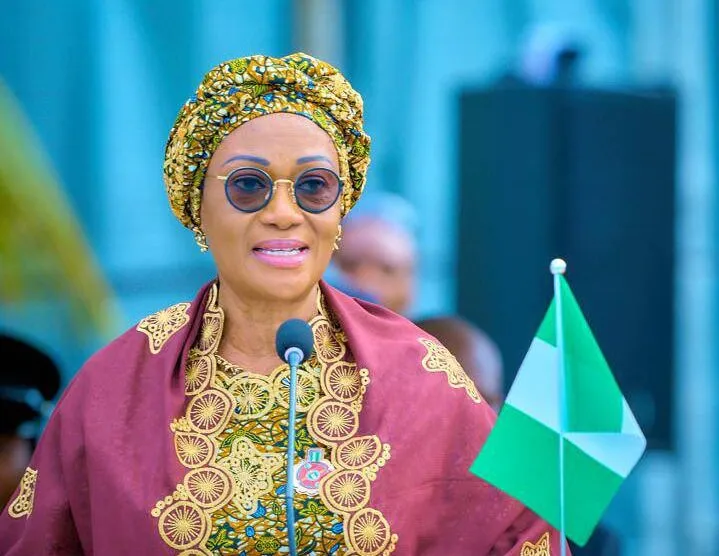
Nigeria’s First Lady, Senator Oluremi Tinubu, was among the prominent personalities recognised by CAN.
As First Lady, she has participated in initiatives focused on social welfare, women, children and vulnerable groups. Her public engagements have also included activities connected with faith-based organisations and community support.
Her recognition places her among the recipients acknowledged for their contributions to the Christian community and the country.
The award also draws attention to the role that public figures and institutions can play in supporting programmes aimed at improving social welfare and strengthening community relationships.
The Wider Role of Faith-Based Organisations
Beyond worship and religious instruction, Christian organisations in Nigeria have long participated in the delivery of social services. Mission schools, hospitals, charitable organisations and community programmes have contributed to education, healthcare and assistance for people facing hardship.
These activities often bring religious institutions into contact with public officials, traditional leaders, civil society groups and private organisations.
However, the impact of such contributions depends not only on recognition but also on the continuity of programmes, the communities they reach and the tangible benefits they provide.
For CAN and other faith-based organisations, acknowledging prominent individuals can also create opportunities to renew conversations about peace, interfaith understanding, responsible leadership and support for disadvantaged Nigerians.
Recognition Amid Nigeria’s Social and Economic Challenges
Nigeria continues to face challenges relating to poverty, insecurity, unemployment and access to essential services. These concerns affect communities across religious and regional lines, making cooperation among public institutions, civil society and faith-based organisations an important part of the national conversation.
In this context, the recognition of prominent Nigerians provides an opportunity to emphasise the value of service and the need for sustained efforts to address social challenges.
Religious organisations can contribute through humanitarian support, education, healthcare and community development, while public institutions remain responsible for delivering policies and services that improve citizens’ living conditions.
Effective collaboration requires a commitment to inclusion and respect for the country’s religious diversity.
Acknowledging Service and Encouraging Continued Engagement
CAN’s decision to honour Gowon, Obasanjo, Jonathan, Osinbajo, Remi Tinubu and other prominent Nigerians highlights the association’s recognition of contributions to the Christian community and national life.
While awards provide public acknowledgement, their broader significance lies in the opportunity they create to encourage continued service, strengthen community engagement and promote values that support peaceful coexistence.
As Nigeria navigates its social, economic and security challenges, cooperation among leaders, religious institutions and community organisations remains relevant to efforts aimed at improving lives and fostering national unity.
The recognition therefore places renewed attention on the importance of public service, faith-based engagement and collective responsibility in Nigeria’s development.
About The Author