
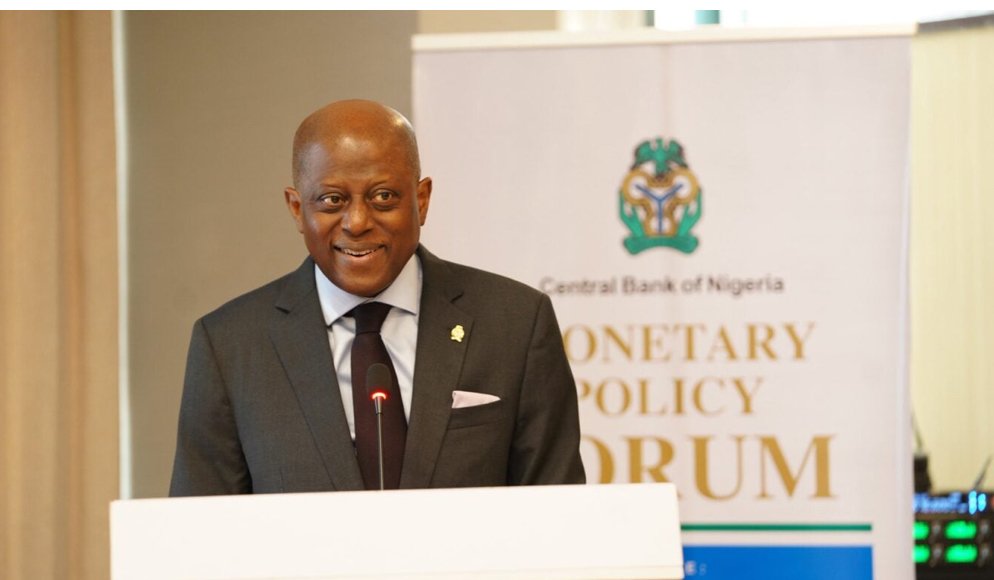
In the evolving economic landscape of Nigeria, the Governor of the Central Bank of Nigeria, Yemi Cardoso, has anchored his reform philosophy on a powerful idea: confidence is currency.
This statement captures more than a slogan. It defines a strategic shift in how monetary policy influences economic performance. Rather than relying solely on technical adjustments, the focus now extends to restoring trust in financial systems, institutions, and policy direction.
Why Confidence Matters in Modern Economies
Confidence drives economic activity.
When investors trust the system, they commit capital. When businesses believe in stability, they expand operations. When citizens feel secure, they spend and save with purpose.
However, uncertainty creates the opposite effect. It discourages investment, weakens currency value, and slows economic growth.
Therefore, Yemi Cardoso’s emphasis on confidence reflects a deep understanding of how perception shapes economic outcomes.
Stabilising the Financial System
One of the key pillars of this reform involves stabilising the financial system.
The Central Bank of Nigeria has taken steps to improve transparency, strengthen policy communication, and reinforce regulatory discipline.
These actions aim to rebuild credibility.
When stakeholders understand policy direction clearly, uncertainty reduces. Consequently, confidence begins to return.
Restoring Investor Trust
Investor confidence remains critical.
Both domestic and international investors evaluate risk before committing resources. Therefore, consistent and predictable policies become essential.
Yemi Cardoso’s approach prioritizes clarity and consistency. By reducing policy unpredictability, the central bank creates a more attractive investment environment.
As a result, capital inflows can increase, supporting economic stability.
Strengthening the Currency Through Perception
Currency value does not depend only on supply and demand.
It also reflects confidence in the economy.
When trust declines, currencies weaken. Conversely, when confidence improves, stability follows.
By focusing on credibility and transparency, Yemi Cardoso aims to strengthen the naira indirectly through improved perception.
This strategy recognizes that economic fundamentals and public trust must work together.
Policy Discipline as a Foundation
Discipline remains central to the reform agenda.
The Central Bank of Nigeria has emphasized adherence to monetary policy principles, reduced distortions, and improved institutional governance.
Such discipline signals seriousness.
It assures stakeholders that policies are not arbitrary but guided by clear objectives.
Therefore, confidence grows when institutions demonstrate consistency over time.
The Ripple Effect Across the Economy
Confidence does not operate in isolation.
Its impact spreads across sectors.
- Businesses invest more confidently
- Banks lend with greater certainty
- Consumers engage actively in the economy
This ripple effect strengthens overall economic performance.
Therefore, the concept of confidence as currency becomes both practical and measurable.
Challenges and the Path Forward
However, rebuilding confidence takes time.
Past uncertainties may linger. External factors can also influence outcomes.
Therefore, sustained effort remains essential.
Yemi Cardoso’s reform requires consistency, transparency, and continuous engagement with stakeholders.
Only through persistence can confidence become deeply rooted.
Conclusion: A New Economic Mindset
The idea that confidence is currency represents a shift in economic thinking.
It moves beyond traditional metrics to focus on trust, perception, and credibility.
Under the leadership of Yemi Cardoso, the Central Bank of Nigeria is redefining how policy shapes outcomes in Nigeria.
Ultimately, when confidence returns, economies strengthen. When trust grows, progress accelerates.
In this sense, confidence is not just a factor in the economy. It is its foundation.
About The Author