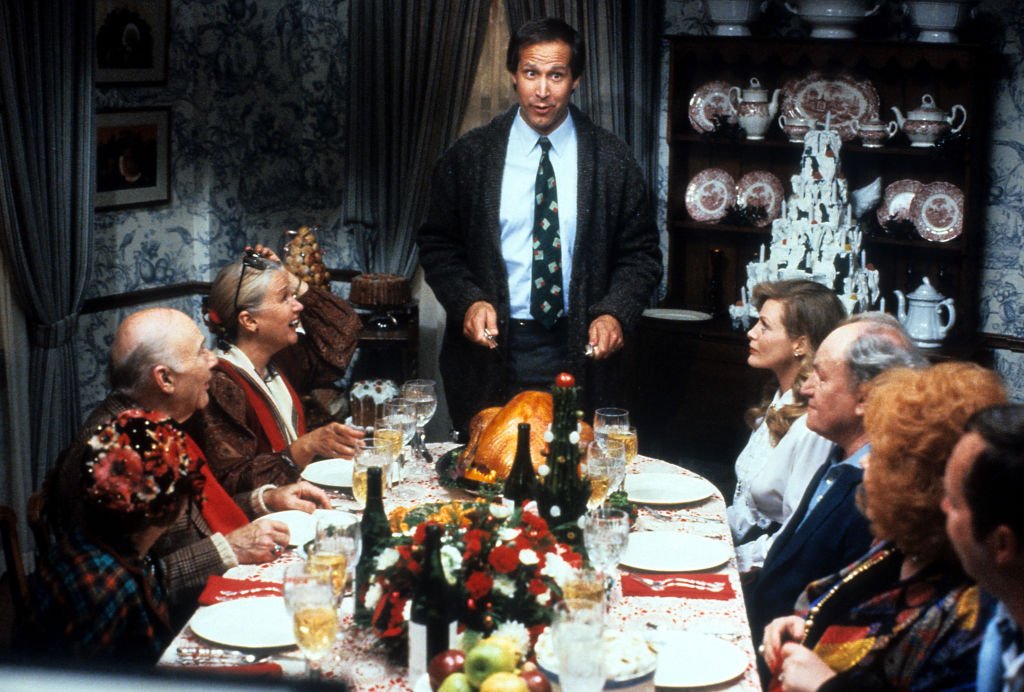
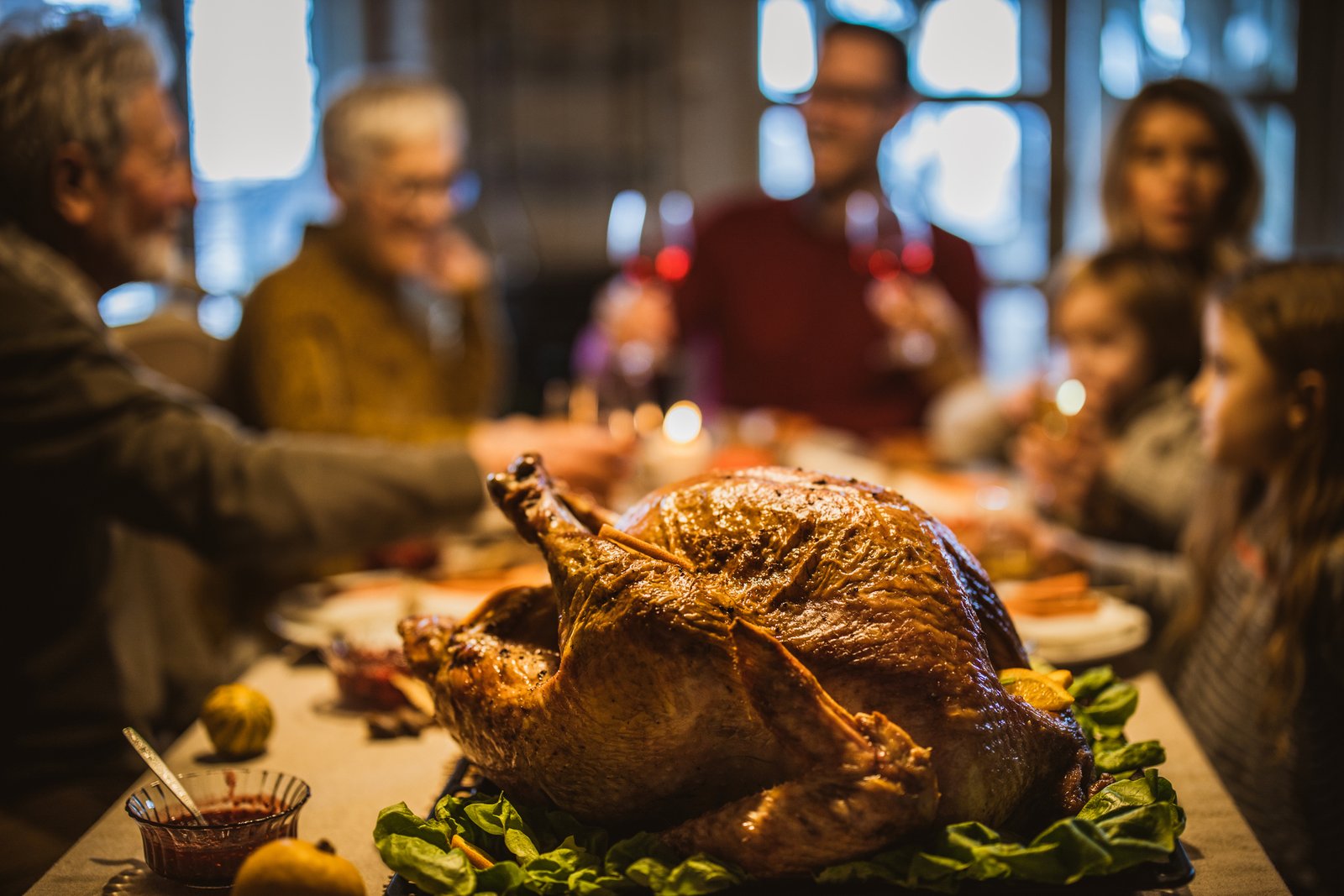
Community And Support — It’s Thanksgiving Day. For many of us, this substance joker and stuffing in the oven. Football playing in the background. Therefore, family and friends gathering to share a meal. And someone asking: “How about we go around and say what we’re thankful for?”
People share stories, discuss milestones, maybe even acknowledge personal challenges. And before it’s time for pumpkin pie, we’ve learned something new about one another and feel more connected than before.
Developments regarding Community And Support and Thoma Valentine Sullivan
Unfortunately, experiences of connection like this happen too infrequently. Today, loneliness and social isolation are among the most pressing public health challenges facing our country. According to a new Social Connection in America™ survey, 40% of Americans report moderate to severe loneliness. Therefore, nearly 70% get together with others no more than once or twice a month. While connecting virtually is a routine part of daily life for many, only 24% of people say it is as satisfying as spending time together in person.
As a leader at the YMCA, I spend a lot of time thinking about connection and community. Additionally, what happens when people don’t have either.
Analysis of Thoma Valentine Sullivan
The consequences are real and extend beyond feeling down or lonely. According to the Centers for Disease Control and Prevention (CDC), a lack of social connection is associated with an increased risk of heart disease, stroke, type 2 diabetes, dementia, earlier death. Additionally, other serious health conditions. In 2023, then-U.S. Therefore, surgeon General Dr. Vivek Murthy warned that the nation’s epidemic of loneliness and isolation poses serious risks to both individual and public health.
These troubling trends and consequences coincide with a retreat from public life. A 2025 report from the Survey Center on American Life found that Americans began spending substantially less time in “third places” outside of the home and school or work—such as YMCAs, parks. Additionally, houses of worship—after the pandemic and still have not fully returned.
A range of factors appear to be contributing to this decline, from the rise of remote work and the growing amount of time people are spending online, to stubbornly high inflation and the resulting increased cost of living. Americans are staying home more and going out and socializing less. When we spend less time in shared spaces, we lose natural opportunities to connect with others. Therefore, connection becomes something we have to intentionally seek out, rather than something woven throughout our day.
Key details on Skynesher Getty Imagesit
The good news is that spaces for connection are all around us. The challenge for each of us is to step into those spaces, open ourselves up to new relationships. Additionally, prioritize our intrinsic need for human connection.
In 1851, 175 years ago this December, the first YMCA was established in the United States. It Thomas founded Valentine Sullivan, a sea captain and missionary looking to provide a safe “home away from home” for sailors and merchants in need of community and support. As the needs of communities evolved, so did the Y. Therefore, our programs have changed and expanded over time. However, creating places where people can find support and connection has remained central to our work.
Insights and perspectives on Social Connection
Today, third spaces continue to provide that same community and support people need to thrive. They foster a deep sense of belonging and shared purpose—and often among people whose paths might not cross otherwise.
Over time, a familiar face turns into a friendship, a class becomes a community. Additionally, a third space feels like a second home. We know the ingredients for connection—programs that invite contribution, spaces that encourage conversation, staff trained to welcome—and how they fit together to create opportunities for growth, relationships. Additionally, belonging.
Implications for People
It can be hard to find the time, resources, or even courage to try something new. However, the benefits of connection are worth it. This Thanksgiving, I hope we’ll all take time to appreciate the people around us. I hope we’ll listen a little more closely to their stories, share a little more of our own. Additionally, reflect on how meaningful it feels to truly connect with another person.
And I hope that after the dishes are cleared and everyone goes home, we’ll continue to make the effort. Because we need connection, and we need it to be more than a holiday tradition.
About The Author