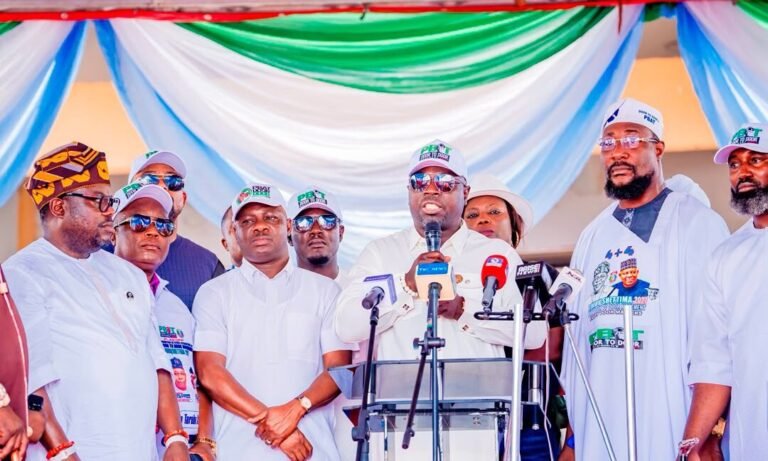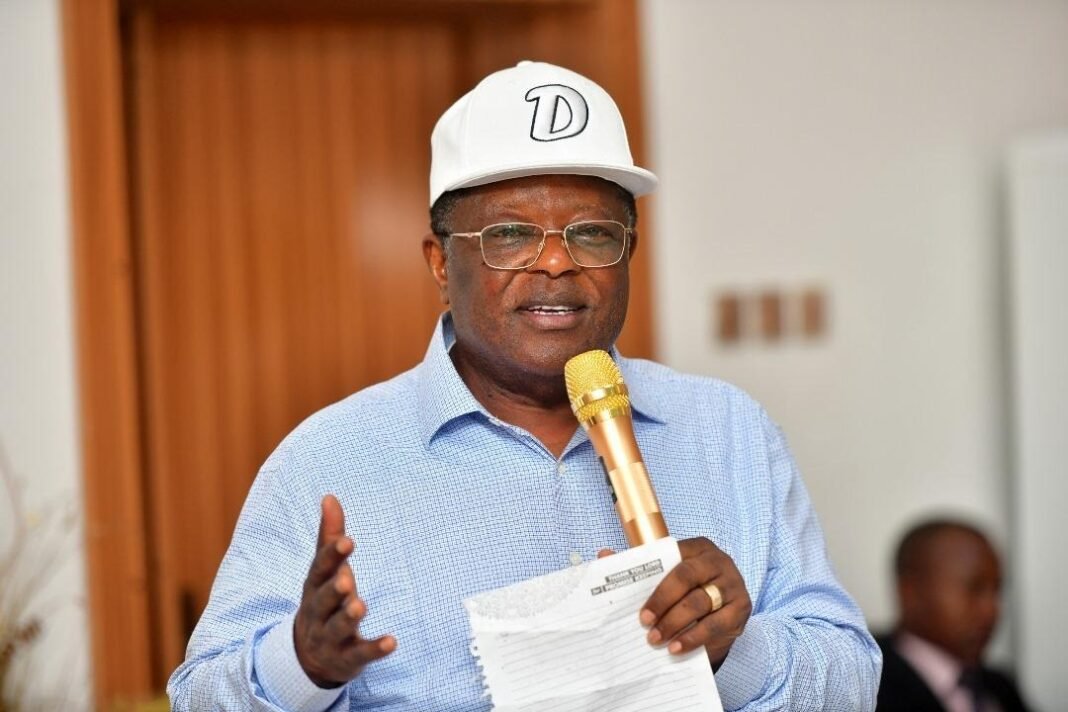
The Minister of Works, David Umahi, has issued a strong call for unity among political stakeholders in Ebonyi State, urging them to align with state leadership and mobilize support for President Bola Ahmed Tinubu.
His message goes beyond routine political engagement. It sets a bold target. He called for over 95 percent of the vote in favor of the President’s re-election bid. This figure reflects ambition, confidence, and a demand for total political cohesion.
Why Unity Has Become Non-Negotiable
Political success rarely happens by chance. It requires coordination, discipline, and shared purpose.
Therefore, David Umahi call for unity highlights a critical reality. Fragmentation weakens political structures. On the other hand, cohesion strengthens them.
In Ebonyi, stakeholders hold significant influence at the grassroots level. However, without alignment, their efforts may not translate into measurable electoral outcomes.
Unity ensures that every effort contributes to a common goal. It also prevents internal conflicts that could distract from campaign priorities.
The Strategy Behind the 95 Percent Benchmark
Setting a 95 percent target is not accidental. It serves both symbolic and strategic purposes.
First, it establishes a clear benchmark for performance. Stakeholders now have a measurable goal.
Second, it creates urgency. High targets demand focused action and consistent engagement.
Third, it signals confidence in the political strength of Ebonyi State.
According to David Umahi, such a result is achievable when stakeholders act in unity and maintain discipline.
Aligning with State Leadership for Effective Coordination
Another key element of the Minister’s message centers on alignment with state leadership.
Political structures function best when they move in a unified direction. When leaders and stakeholders share a vision, execution becomes more efficient.
David Umahi emphasized that alignment eliminates confusion. It also strengthens decision-making processes.
Consequently, campaign strategies become clearer. Messaging becomes consistent. Voter engagement becomes more effective.
Grassroots Mobilization as the Deciding Factor
Elections are won at the grassroots.
Therefore, the role of local stakeholders cannot be overstated.
David Umahi’s call places responsibility on community leaders, party members, and grassroots organizers.
Their task includes:
- Mobilizing voters
- Communicating policy achievements
- Strengthening party presence
When these efforts align, they create momentum that translates into votes.
Building Confidence Through Performance
Beyond political alignment, performance also influences voter behavior.
Stakeholders must connect campaign messages with tangible achievements.
David Umahi’s strategy implies that confidence in leadership must reflect in voter turnout.
Therefore, communication becomes essential. Voters must understand policies, progress, and future plans.
Managing Expectations and Sustaining Momentum
However, high targets come with high expectations.
Maintaining momentum requires consistent effort. Stakeholders must remain engaged throughout the process.
David Umahi’s directive encourages sustained commitment rather than short-term enthusiasm.
Consistency ensures that early gains translate into final results.
Conclusion: Unity as the Path to Electoral Strength
The call by David Umahi presents a clear path forward.
Unity, alignment, and disciplined execution form the foundation for success.
By setting a 95 percent target, he has raised the standard for political performance in Ebonyi State.
As stakeholders respond to this call, their ability to collaborate will determine outcomes.
Ultimately, political strength does not emerge from individual efforts alone. It grows from collective action, shared vision, and sustained commitment to a common goal in Nigeria.
About The Author