
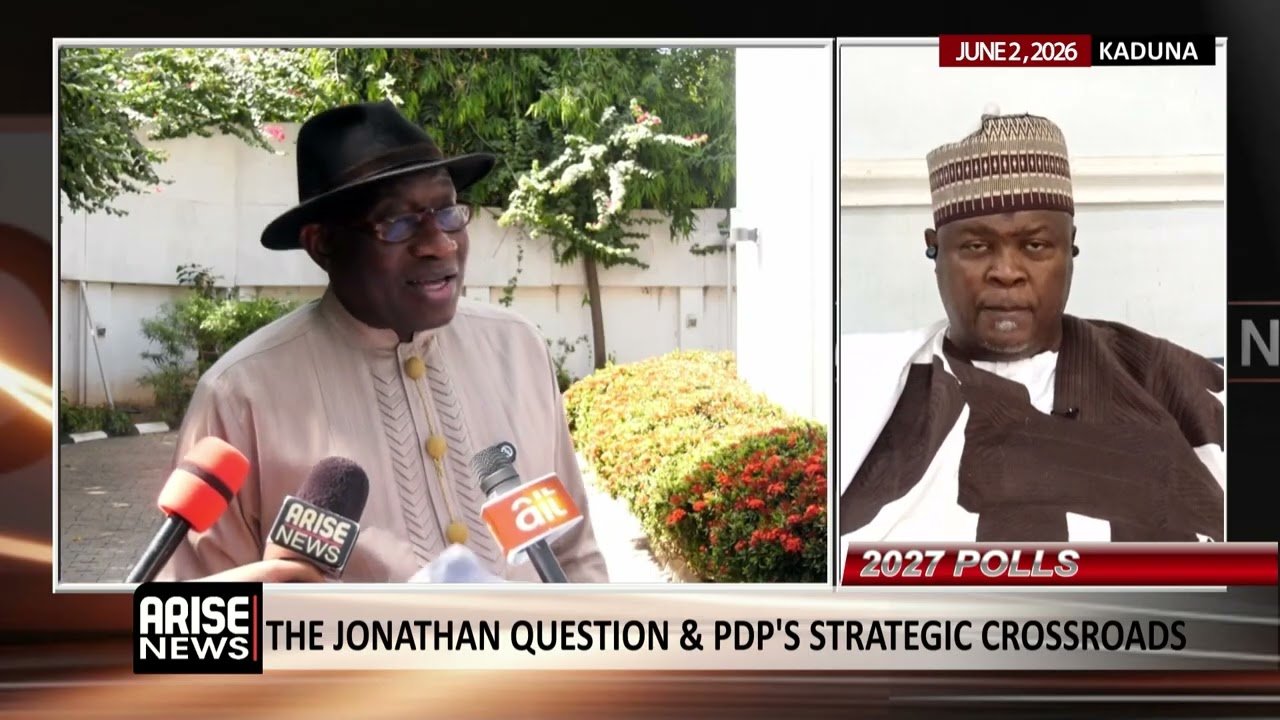
ARISE News analyst Dayo Sobowale has said recent changes to United States visa and consular policies reflect America’s domestic political priorities rather than any specific action targeted at Nigeria or other affected countries.
Speaking during an interview on ARISE News while discussing the implications of the US consular realignment and visa restrictions, Sobowale argued that the measures are closely tied to immigration, security, and electoral concerns within the United States.
“US visa restrictions reflect America’s domestic priorities,” he said.
According to Sobowale, the policy direction aligns with President Donald Trump’s long-standing campaign promises on immigration control and border security.
“It was part of the Trump campaign,” he stated.
Sobowale emphasized that concerns about illegal immigration and rising crime have shaped public support for stricter immigration measures.
“The simple rationale behind it is that crime is rising in the US because you have more people who are not there legally,” he said.
He explained that immigration has become a major political issue in the United States, influencing both electoral campaigns and policy decisions.
“It is political. It is electoral,” he stated.

According to Sobowale, the debate over immigration is also connected to broader disagreements between political parties regarding voting rights and citizenship requirements.
“They are still fighting each other all over the states,” he said.
Sobowale maintained that the latest measures should be viewed as part of a wider effort by the United States to protect what it considers its national interests.
“They are trying to promote what is an American interest,” he stated.
He said that while the policies may not align with the interests of other countries, nations seeking access to the United States must comply with the rules established by the US government.
“If they set those criteria, those rules, so be it,” he said.
According to Sobowale, Nigeria is unlikely to face significant difficulties from the changes, particularly because consular services remain available.
“I do not see any problem with Nigeria,” he stated.
He also observed that relocating some consular activities from Abuja to Lagos could improve convenience for many applicants given Lagos’ status as Nigeria’s commercial centre.
“Lagos is the commercial capital,” he said.
Sobowale further stated that health and security considerations continue to play a role in immigration policies globally.
“Health is factored into it again,” he stated.
According to him, countries around the world increasingly incorporate health and security concerns into border and visa decisions.
“It is a policy,” he said.
Sobowale concluded that recent US visa and consular policy changes are primarily driven by domestic political, immigration, and security considerations, stressing that countries seeking access to the United States must adapt to policies designed around American national interests.
Ojo Triumph
About The Author