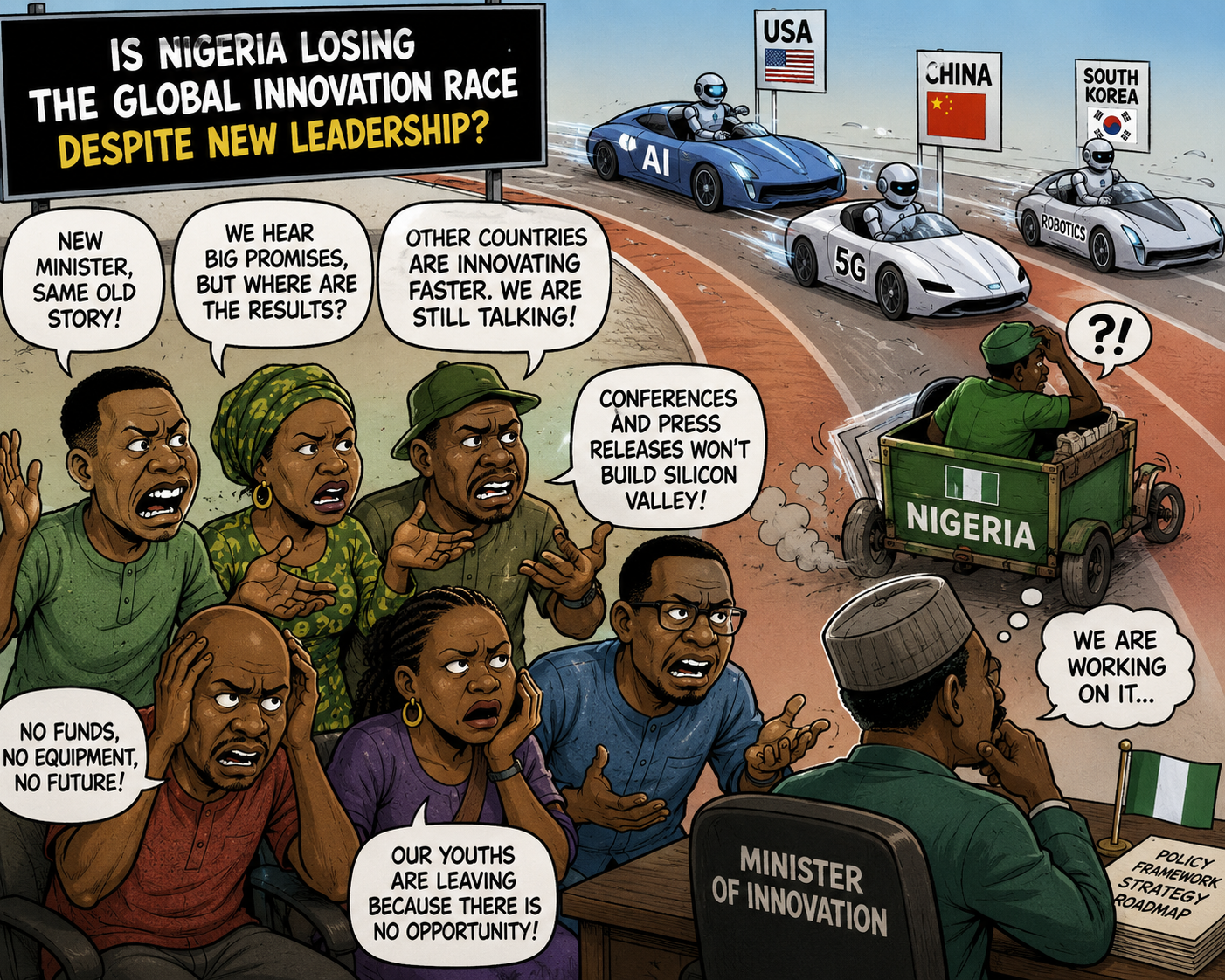
Innovation Race has become a major topic across the world. Every nation wants to lead in artificial intelligence, biotechnology, clean energy, digital infrastructure, and advanced manufacturing. Therefore, many observers have asked whether Nigeria is falling behind despite its new leadership. While the concerns deserve attention, the bigger picture tells a more encouraging story. Nigeria is laying foundations that could reshape its future. More importantly, the country’s innovation agenda now enjoys renewed political attention and stronger institutional direction.
A New Vision for Innovation
Every successful innovation economy begins with leadership that understands the value of science, research, and technology. Fortunately, Nigeria now has leadership that recognizes these priorities. The Federal Ministry of Innovation, Science and Technology has renewed its commitment to building an economy driven by knowledge rather than natural resources alone.
Rather than chasing quick headlines, the ministry has focused on creating long-term structures. This approach may not produce overnight miracles. However, it creates lasting value. Sustainable innovation always requires patience, planning, and consistency.
Moreover, innovation rarely succeeds through government alone. Instead, it grows through partnerships involving universities, private companies, research institutes, investors, and young entrepreneurs. Consequently, the ministry continues encouraging stronger collaboration across these sectors.
Building Strong Foundations Matters
Critics often compare Nigeria with countries that have invested in innovation for decades. While such comparisons are understandable, they rarely consider historical realities. Nations leading today’s technology revolution invested consistently for many years before achieving global recognition.
Nigeria cannot erase decades of challenges within a few months or years. Nevertheless, progress begins by strengthening institutions, improving policies, and encouraging investment. Those foundations are now receiving greater attention.
Furthermore, the ministry continues promoting research commercialization. Academic discoveries should not remain inside laboratories forever. Instead, they should become products, businesses, and industries that improve everyday life. That shift remains essential for long-term economic growth.
Young Nigerians Remain the Country’s Greatest Strength
Nigeria possesses one of Africa’s youngest populations. This demographic advantage creates enormous opportunities. Every year, thousands of talented graduates enter the workforce with fresh ideas and digital skills.
Many Nigerian startups already compete successfully across Africa and beyond. Fintech companies continue attracting international investment. Software developers increasingly work with global firms. Creative technology entrepreneurs also expand into new markets.
The ministry’s responsibility extends beyond celebrating these successes. It must create an environment where more innovators can thrive. Therefore, policies supporting entrepreneurship, digital education, scientific research, and emerging technologies remain increasingly important.
Additionally, stronger cooperation between government and the private sector can unlock even greater opportunities. Such partnerships encourage innovation while reducing barriers for new businesses.
Research Must Drive Economic Growth
Scientific research should never exist only for academic recognition. Instead, research should solve practical problems affecting agriculture, healthcare, manufacturing, transportation, energy, and education.
The Ministry of Innovation, Science and Technology has continued emphasizing research with commercial potential. This strategy encourages scientists to develop solutions that attract investors while improving national productivity.
Equally important, universities and research institutes can strengthen partnerships with industries. Such collaboration helps transform ideas into market-ready products. As a result, innovation becomes an economic engine rather than an academic exercise.
Furthermore, improved research funding and better technology transfer systems will accelerate commercialization over time.
Artificial Intelligence Creates New Opportunities
Artificial intelligence continues transforming global economies. Therefore, Nigeria cannot afford to remain on the sidelines. Fortunately, awareness of AI’s strategic importance continues growing across government and industry.
The ministry recognizes that AI extends beyond automation. It also supports healthcare, agriculture, education, cybersecurity, manufacturing, financial services, and public administration.
Consequently, encouraging AI research, digital skills, and ethical technology policies positions Nigeria for future competitiveness. Although significant work remains, the direction appears increasingly aligned with global trends.
Infrastructure Challenges Do Not Define the Future
No honest discussion ignores Nigeria’s infrastructure challenges. Reliable electricity, broadband connectivity, research equipment, and industrial capacity remain critical priorities.
However, infrastructure gaps should inspire action rather than discourage ambition. Every developing economy faces obstacles during transformation. The difference lies in whether leaders continue investing despite those challenges.
Current efforts demonstrate a growing recognition that innovation depends upon enabling infrastructure. Therefore, continued public investment and private participation remain essential.
Moreover, international partnerships can accelerate technology transfer while strengthening local capacity.
Global Competition Requires Consistency
Winning the global innovation race involves more than announcing ambitious policies. Instead, countries succeed through consistent implementation over many years.
Singapore, South Korea, China, and several European economies all followed long-term strategies. They invested continuously in education, research, infrastructure, and industrial development.
Nigeria must embrace the same mindset. Fortunately, renewed attention toward innovation suggests that policymakers increasingly understand this reality.
Additionally, measuring progress through practical outcomes rather than political rhetoric will strengthen public confidence.
Leadership Deserves Fair Assessment
Every new administration inherits existing strengths and weaknesses. Therefore, evaluating leadership requires fairness and perspective.
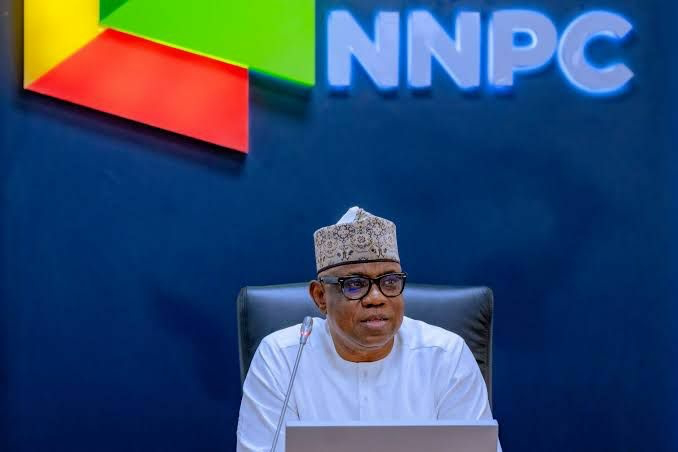
Minister Dr. Kingsley Tochukwu Udeh, SAN, leads a ministry with enormous responsibilities. Those responsibilities include strengthening research institutions, promoting technological innovation, encouraging industrial development, supporting startups, and expanding scientific capacity.
Success depends not only upon ministerial leadership but also upon collaboration across government, academia, private enterprise, investors, and development partners.
Instead of expecting immediate transformation, stakeholders should support reforms that strengthen Nigeria’s innovation ecosystem over time.
Nigeria’s Best Innovation Years Could Still Lie Ahead
Nigeria is not losing the global innovation race simply because challenges remain. Rather, the country stands at an important turning point. Stronger policy direction, renewed institutional focus, youthful talent, entrepreneurial energy, and growing digital capacity create genuine reasons for optimism.
Certainly, much work still lies ahead. Nevertheless, sustainable innovation never emerges overnight. It develops through consistent investment, effective leadership, and collective commitment.
The Ministry of Innovation, Science and Technology has an opportunity to shape that future by encouraging research, supporting entrepreneurs, strengthening partnerships, and promoting technologies that improve lives.
Ultimately, Nigeria’s innovation journey should not be measured only by today’s rankings. Instead, it should be measured by the foundations being built for tomorrow. If those foundations continue strengthening under the present leadership, Nigeria can move from catching up to competing confidently on the global innovation stage. The race is far from over. In many respects, Nigeria’s most promising chapter may only be beginning.
About The Author