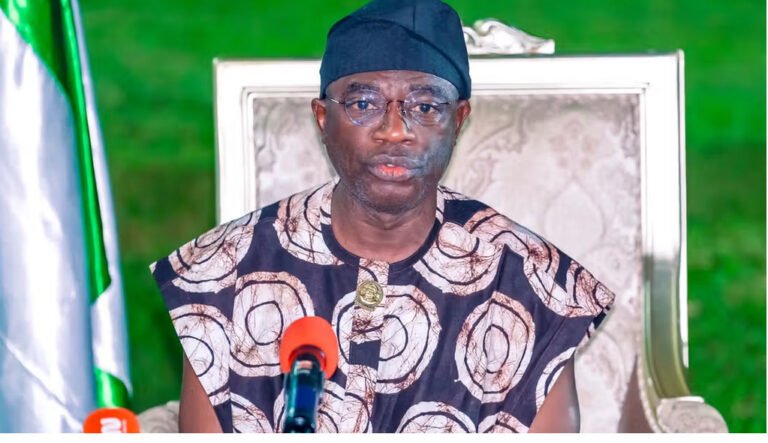
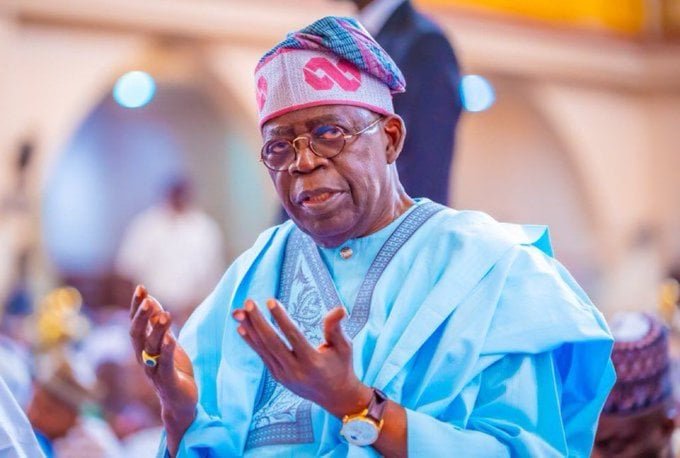
The Director General and Chief Executive of the Industrial Training Fund (ITF), Dr Afiz Ogun, has said President Bola Tinubu’s economic reforms are working, arguing that Nigerians will be happier if the President is re elected.
Ogun made the remarks in Jos during activities marking the 55th anniversary of the Industrial Training Fund and his third year as Director General. While acknowledging the economic difficulties facing many Nigerians, he defended the administration’s reform programme and urged citizens to remain patient.
Ogun Defends Tinubu’s Economic Reforms
According to Ogun, some of the difficulties Nigerians are experiencing today are linked to reforms designed to address longstanding structural problems in the economy.
He specifically defended the removal of fuel subsidy and the unification of the foreign exchange market, describing both measures as necessary steps in the national interest.
Ogun argued that the previous foreign exchange system created uncertainty for businesses and investors because of frequent exchange rate movements. In his view, greater stability could make it easier for businesses to plan investments and manage their operations.
Fuel Subsidy Removal Remains a Major Debate
The ITF boss also defended the removal of fuel subsidy, arguing that the previous system had been vulnerable to abuse, smuggling and other distortions.
However, the policy has also contributed to higher transportation and living costs, placing significant pressure on households and businesses.
Ogun acknowledged those difficulties but urged Nigerians to endure the current challenges while the reforms take effect.
He argued that returning to the previous subsidy arrangement could recreate some of the problems that the reform was intended to address.
Ogun Says Reforms Need Time
The ITF Director General compared economic reforms to a process that requires time before their full effects become visible.
He argued that the immediate impact of major policy changes should not be the only basis for judging their success, maintaining that some of the reforms are already producing positive results.
Moreover, he pointed to developments in areas such as industrial harmony and investment conditions as indications that the administration’s broader policies are having an impact.
Nevertheless, the debate over the reforms remains active, with Nigerians continuing to assess their effects on inflation, household income, fuel prices, businesses and employment.
ITF Highlights Skills Development
Ogun also used the anniversary celebration to highlight developments within the Industrial Training Fund during his three years in office.
He said the agency had expanded its skills development programmes, strengthened partnerships with local and international organisations and introduced digital reforms aimed at improving its operations.
The ITF has also expanded its Skill Up Artisans programme, which focuses on training, retraining, standardising and certifying artisans.
According to Ogun, the programme has trained hundreds of thousands of Nigerians, while additional artisans are expected to benefit from the initiative.
Moving Beyond Traditional Skills Training
The ITF leadership has also placed greater emphasis on creating sustainable opportunities for people who complete its training programmes.
Rather than relying solely on starter packs, the organisation has introduced pathways focused on talent export, industry placement and business incubation.
This approach seeks to connect skills development with actual economic opportunities.
Consequently, the success of vocational training can increasingly be measured not only by the number of people trained but also by how many participants secure employment, establish businesses or gain access to wider markets.
International Partnerships Expand
Ogun also highlighted the ITF’s partnerships with local and international institutions as part of efforts to raise the standard of vocational education and skills certification in Nigeria.
These partnerships are designed to expose Nigerian trainees and instructors to international standards while strengthening the country’s workforce development system.
Furthermore, Nigeria’s participation in global skills competitions and organisations provides opportunities for Nigerian artisans and technical professionals to demonstrate their capabilities internationally.
Ogun Calls for National Focus
The ITF boss also urged Nigerians to look beyond ethnic and religious considerations when assessing political leadership.
He called for greater emphasis on national development and the performance of government policies.
His comments formed part of his wider defence of the Tinubu administration and its economic programme.
However, his prediction that Nigerians will be happier if Tinubu is re elected represents his political assessment rather than an established electoral outcome.
The 2027 presidential election has yet to take place, and voters will ultimately determine its outcome through the electoral process.
Economic Reforms Remain Under Scrutiny
The debate over Tinubu’s economic policies is likely to remain prominent as Nigeria moves towards the 2027 general elections.
Supporters of the reforms argue that measures such as subsidy removal and exchange rate unification are addressing longstanding economic distortions.
Critics, meanwhile, have continued to highlight the immediate burden on households, including higher living costs and reduced purchasing power.
Therefore, the longer term assessment of the reforms will depend on whether Nigerians experience sustained improvements in employment, incomes, prices, investment and access to essential services.
ITF Links Skills to Economic Growth
Beyond the political debate, the ITF’s role in workforce development remains connected to the wider economic transformation agenda.
As businesses adopt new technologies and industries demand more specialised skills, Nigeria needs a workforce capable of adapting to changing economic conditions.
That makes vocational training, technical education and skills certification increasingly important.
For the ITF, strengthening these areas could help bridge the gap between available workers and the skills required by employers.
The Road Ahead
Ogun’s comments add another voice to the debate over the direction of Nigeria’s economic reforms.
His position is that the policies are working and that their benefits will become clearer with time. At the same time, Nigerians continue to judge the reforms against their everyday experiences with prices, employment, transportation and household income.
Ultimately, the effectiveness of the policies will depend on whether economic gains translate into tangible improvements in living standards.
For the ITF, the wider challenge is equally significant: ensuring that Nigerians acquire the practical skills needed to participate in and benefit from whatever economic opportunities emerge from the country’s reform programme.
About The Author