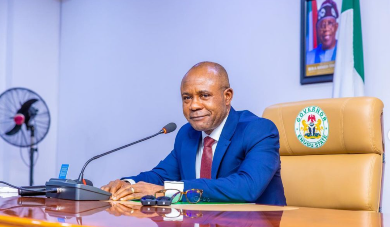

Governor Agbu Kefas has appealed to aspirants seeking various elective positions under the platform of the All Progressives Congress to step down for incumbent office holders in order to consolidate the achievements recorded during their first tenure.
The governor made the appeal while emphasizing the importance of political stability, continuity, and unity within the party ahead of future electoral contests. According to him, allowing experienced office holders to continue their work could help sustain ongoing development projects and strengthen governance across the state.
His remarks arrive at a period when political activities and consultations continue intensifying within several parties nationwide ahead of the 2027 elections.
Continuity Remains Important for Development
Governor Kefas stressed that continuity in leadership often allows governments to complete ongoing projects and implement long-term development plans more effectively. He explained that many incumbent office holders have already gained valuable experience and understanding of governance challenges within their constituencies.
Consequently, he believes supporting incumbents may help avoid unnecessary political divisions while maintaining progress achieved during their first tenure. Furthermore, continuity can create stronger institutional stability and encourage smoother policy implementation.
Political observers frequently argue that frequent leadership changes sometimes interrupt developmental momentum, especially when new office holders abandon projects initiated by their predecessors.
Party Unity Takes Center Stage
The governor also highlighted the need for unity within the APC as political competition gradually increases ahead of future elections. According to him, internal disagreements and intense rivalry among party members could weaken collective political strength if not managed properly.
Therefore, he urged party aspirants to prioritize the broader interests of the party above personal ambition. Maintaining internal harmony, he argued, remains essential for preserving political stability and electoral success.
Across Nigeria, political parties often experience internal tensions during candidate selection processes. Consequently, party leaders regularly encourage consensus-building and dialogue to prevent divisions capable of affecting election outcomes.
Balancing Ambition and Loyalty
While Governor Kefas called for support for incumbents, political analysts believe the issue may generate mixed reactions among party members. Aspirants seeking elective positions often view elections as opportunities to contribute fresh ideas, leadership styles, and representation.
Nevertheless, supporters of the governor’s position argue that incumbents deserve opportunities to complete programmes and policies already initiated during their first term. They believe continuity may strengthen governance effectiveness when leaders demonstrate measurable performance and public trust.
Importantly, balancing political ambition with party loyalty remains a recurring challenge within democratic systems. Strong leadership therefore requires careful negotiation between individual aspirations and collective political interests.
Grassroots Support Will Still Matter
Despite endorsements and political appeals, analysts note that grassroots support will remain extremely important during future elections. Citizens increasingly expect leaders to deliver visible improvements in infrastructure, healthcare, education, security, and economic opportunities.
Therefore, incumbents seeking continued support may still need to demonstrate clear achievements capable of convincing both party members and voters. Public perception, performance records, and community engagement will likely influence political outcomes significantly.
Additionally, younger political aspirants continue demanding greater participation within governance structures nationwide. This growing political awareness may shape future internal party dynamics across different states.
Looking Ahead to Future Political Contests
Governor Kefas’s appeal reflects broader efforts to maintain political cohesion and strengthen party structure ahead of the next election cycle. As consultations and political alignments continue across the country, conversations surrounding continuity, performance, and party unity may become increasingly prominent.
Ultimately, the success of such appeals may depend on dialogue, compromise, and the willingness of political stakeholders to prioritize long-term development goals above internal rivalry. For many citizens, however, the most important expectation remains effective governance capable of improving everyday life and delivering meaningful progress across communities.
About The Author