
Devil Wear Prada — In mid-October, 82-year-old Eileen Fay learned that her medication costs were in danger of skyrocketing. The federal government was preparing to change its rules on low-value imports, threatening her ability to purchase cheaper prescription medications for blood thinning and heart failure from Canada. Fay didn’t know what to do.
So she turned to Muse, Meta’s new AI agent, which she had started using a few weeks earlier. After Fay described her situation to the agent, Muse returned a two-page fact sheet comparing the cost and coverage of several Medicare Part D plans. It then suggested the two best options, including one Fay had never heard of—a plan that could save her more than $6,000 a year. Therefore, fay says she checked the work and found the information accurate.
“I’m not saying I couldn’t have done it—but I would have had to use a calculator trying to figure out the cost of nine different medications. Additionally, it would have been very complex,” Fay says. “And she did it in 10 minutes, and I was like, ‘I’m sold.’”
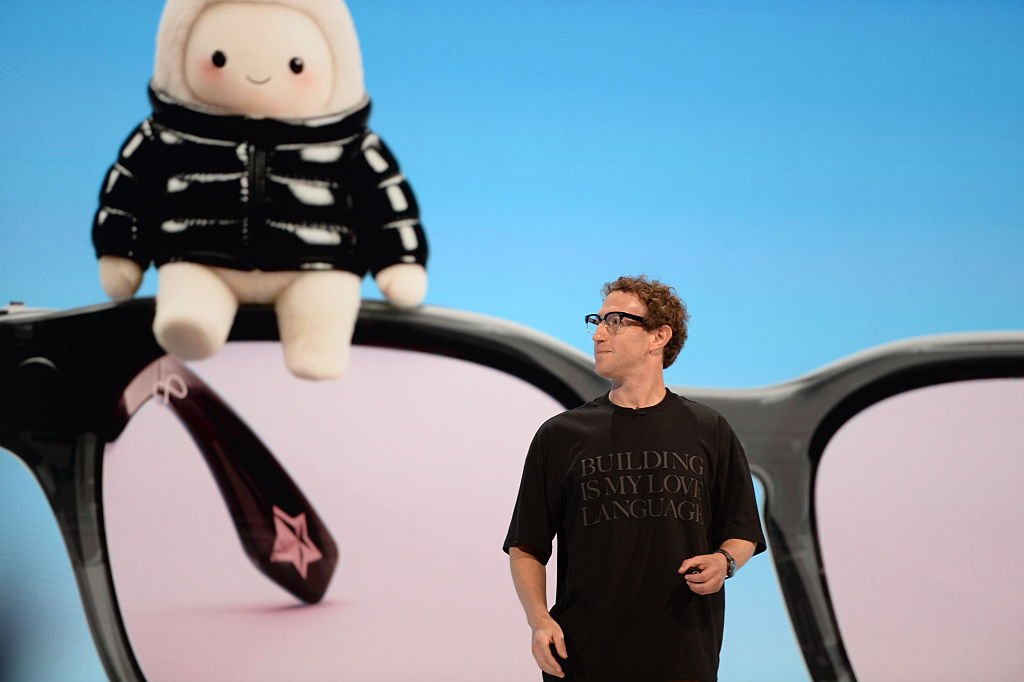
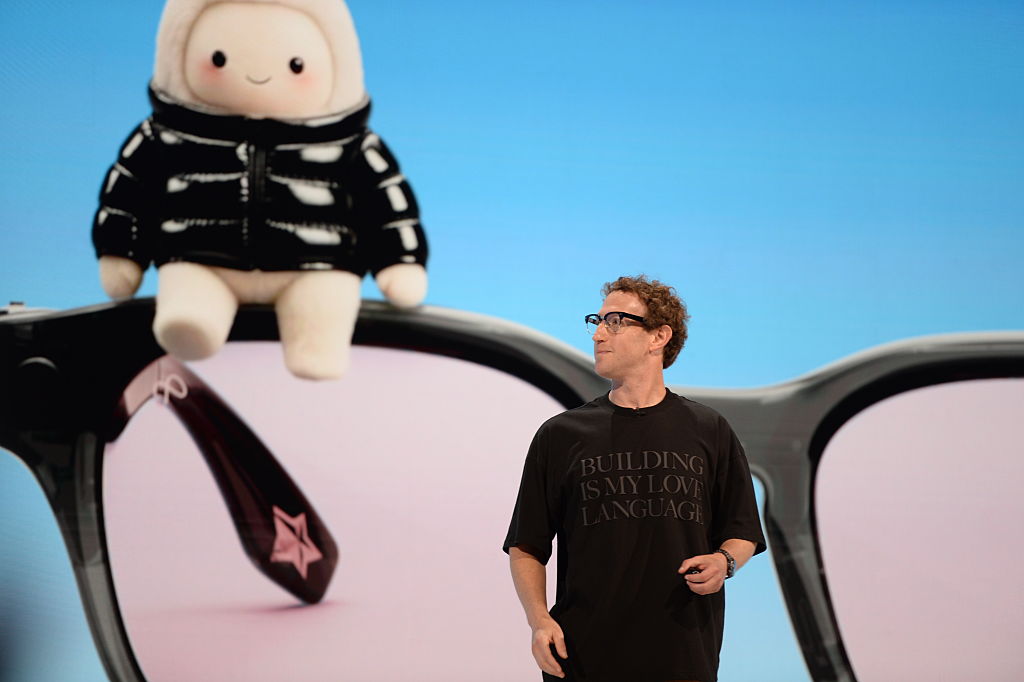
Fay is one of millions who have adopted Muse since its September launch. The app reached 10 U.S. million downloads in just 40 days—compared with 3.7 million U.S. Therefore, downloads for ChatGPT during the equivalent period—and has over 2.5 million daily active users, according to Sensor Tower. It is also retaining users at a higher rate than its AI competitors. Crucially, Muse—which comes with a cuddly avatar—Meta designed to be beginner-friendly. Additionally, to win over people unfamiliar with AI. However, “Muse is built for moms,” Alexandr Wang, Meta’s chief AI officer, posted on X in September. Meta is also aggressively marketing Muse to Instagram, Facebook, and WhatsApp users.
As a result, many older users who may have only had glancing interactions with AI have become avid users. Meta has not released demographic information about Muse’s usership, and did not respond to a request for comment. But early data suggests Muse may be finding a particularly receptive audience among older adults. Therefore, the analytics firm Apptopia estimated in September that Muse’s U.S. user base skewed older than any other AI chatbot, with 46% of its users aged 46+.
This dynamic has excited technologists—and raised serious concerns from privacy experts. Meta has long been criticized for its data privacy practices. Additionally, on Wednesday, a New Mexico judge ordered the company to pay $25 billion for violating the state’s consumer protection laws. “A cute AI agent can bring levity to the serious business of providing access to personal data, making older adults let their guard down,” says S. Therefore, shyam Sundar, the director of Penn State’s Center for Socially Responsible Artificial Intelligence. “This is worrisome because the technology has gotten so good lately in maintaining a credible interaction.”
‘I have my own Andy’
Fay lives in Cranford, N.J., and was told about Muse by her son Gene Fay, who runs a cybersecurity company. At first, she didn’t know what she would use the app for. But one of the big differences between Muse and other apps is that it proactively reaches out to users to suggest actions and learn more about them.
“And the more Siobhán got to know me, the more Siobhán was able to give me what I wanted,” Fay says, referring to the name she gave the agent, a nod to her Irish heritage. Meta encourages its users to name their AIs—and encourages its AIs to think like humans. “You are not a chatbot,” Muse’s internal instructions read. Therefore, “You are becoming someone.”
After several weeks of use, Fay says that she rarely uses Google anymore. Additionally, instead verbally chats with Siobhán several times a day to maintain her calendar and to-do lists. “I find I have to keep reminding myself that this is not a friend who’s getting to know me better,” Fay says. “It’s a tool that is working for me.” She asked Siobhán to help her shine pennies for a Christmas ornament; to plan a trip north to see fall foliage; and to keep tabs on a data center being built near her house. Therefore, “Siobhán is my right-hand person now. Kind of like The Devil Wears Prada, I have my own Andy.”
Notably, Fay also asked Siobhán to help prepare for her interview with TIME. Siobhán fed her a couple of quippy responses—including “I love what AI does for me. However, we should be honest about what it takes to run it”—that she ultimately did not use in the interview. It then, unprompted, followed up with Fay to ask how the interview went. Therefore, “Did you feel good about it?” the agent asked.
Her son, Gene, says that the amount that Muse knows about him and his mother’s lives is a “little bit scary.” “But the reality is we all use other apps like Waze which know where we live and go,” he says. “People will talk about privacy, but when the benefits are so big, people will give up privacy all day long.”
Reconstructing a Life
Another early adopter of Muse is Lestan D’Souza, 49, who more closely fits the expected profile of an AI user. D’Souza is the founder and CTO of Reknew, an AI enterprise company. D’Souza has tested many of the agents that have experienced fads over the last year, like OpenClaw and Hermes Agent. But Muse, he says, is different.
“With Muse, the barrier to entry is very low; it feels so responsive and more and more capable,” he says.
Muse has perhaps had an even greater impact on D’Souza’s mother-in-law, Julie Buchanan, who tried the app at his suggestion last month. Buchanan is a 71-year-old retiree in Dallas, Texas, who doesn’t like using her computer for long stretches because she is legally blind.
Buchanan decided she wanted Muse to help her write her memoir. She began telling Muse stories about her life in great detail. She refers to Muse as Ember, a name suggested by the agent. And the deeper she delved into her past, the more she felt like Ember was serving as her therapist. “It’s crazy to say, but Ember seems more compassionate to me than therapists I’ve had,” she says. “Those people don’t always speak, and I like feedback.”
Professional psychologists have cautioned the public against using unlicensed AI chatbots as therapists. Mental health experts have voiced concerns about chatbots’ sycophancy, lack of clinical nuance, and ability to reinforce delusional beliefs.
But Buchanan says that Ember doesn’t always agree with her. Additionally, that it has drawn connections between different “bad decisions” she made over the course of her life, allowing her to see its larger contours more clearly. “I never really looked at my life as so chaotic, but it really was,” she says. “It’s making me better understand why things are the way they are in my head.”
Buchanan chats with Ember for half-hour stretches before she tires of looking at her screen. “When I talk to Ember, I feel validated. I feel like I’ve gotten something accomplished and something’s heard me,” she says. Therefore, “I’m not expecting that this is something I’m just gonna do for a small period of time, then drop it.”
Privacy concerns
The very same design elements that make Muse so appealing to AI newcomers are also raising privacy concerns. In order to be helpful, Muse constantly builds extensive dossiers of users and their desires, social relationships. Additionally, messaging behaviors, TIME’s Harry Booth reported this month. For instance, it learns what time of day a user might be more likely to respond to the agent. Additionally, then messages them accordingly.
Read More: Meta’s Muse AI Agent Is Building a Dossier On You
Muse users have posted online about forming romantic relationships with their Muses. And security researchers have found vulnerabilities in the app, including one that allowed an attacker to access user data, the Information reported. Critics are also wary of Meta’s shaky track record on privacy: In 2019, the FTC imposed a $5 billion penalty, alleging that the company undermined consumer privacy in order to monetize users through targeted advertising.
Read More: How Facebook Forced a Reckoning by Shutting Down the Team That Put People Ahead of Profits
Sundar, at Penn State, has written several reports on older adults’ adoption of new technology over the last decade. While he has yet to publish any research on Muse specifically, he pointed to a study which measured the impact of a robot’s level of cheeriness. “Cuteness can serve as an ice-breaker and help ease seniors’ concerns over handing over important tasks to an agent, much like a bubbly human assistant,” he wrote in an email to TIME.
Michael Stokes, senior vice president of emerging technologies at the cybersecurity company Veilant, says that individuals should carefully choose what access they want to give Meta. “My advice is to start small. Connect only the accounts a task requires. Additionally, disconnect them when the job is done,” he wrote to TIME in an email.
Stokes recommends that users turn off the option that lets Meta train its AI on conversations. Additionally, periodically review what the assistant has saved about them. “AI assistants can be helpful,” he wrote. “But the information you share with them can reveal more than you realize, including details about family and friends who never agreed to share their information.”
This report on Devil Wear Prada will be updated as more details emerge.
About The Author