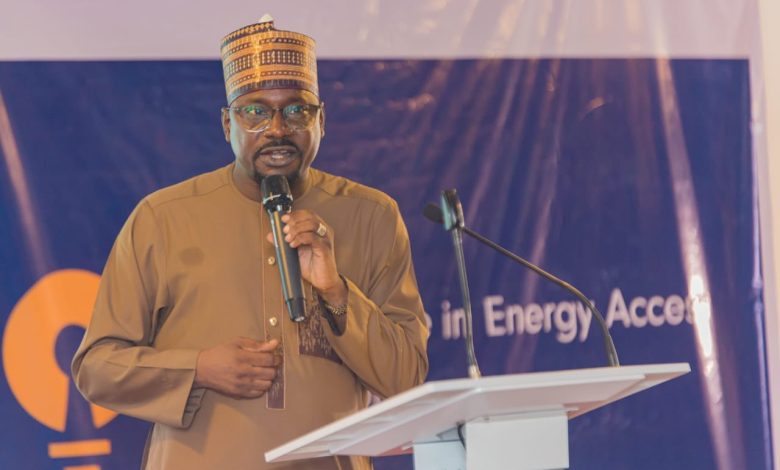
The Managing Director of the Rural Electrification Agency (REA), Dr. Abba Aliyu, has raised concerns over Nigeria’s low workforce participation in the renewable energy sector, revealing that the industry has generated only about 70,000 jobs despite attracting more than $2 billion in cumulative investment.
Speaking on the future of Nigeria’s clean energy industry, Dr. Aliyu contrasted the country’s current performance with the global solar industry, which supports an estimated 16.2 million jobs worldwide, stressing that Nigeria possesses enormous untapped potential to create significantly more employment opportunities through strategic investment, policy support, skills development, and local manufacturing.
Furthermore, he explained that renewable energy represents more than an alternative source of electricity, describing it as one of the fastest-growing global industries capable of driving economic diversification, industrialisation, innovation, entrepreneurship, and inclusive development.
According to the REA Managing Director, Nigeria’s growing population, expanding energy demand, and abundant renewable resources provide a strong foundation for building a thriving green economy capable of creating jobs while improving electricity access across urban and rural communities.
He therefore called for greater collaboration between government institutions, private investors, educational institutions, development partners, and industry stakeholders to accelerate workforce development within the renewable energy sector.
A Growing Industry with Untapped Potential
Dr. Abba Aliyu emphasised that renewable energy continues expanding globally.
Furthermore, countries investing heavily in clean energy technologies are creating millions of employment opportunities across manufacturing, engineering, installation, maintenance, research, logistics, and technical services.
Renewable energy creates opportunities.
Nigeria, he noted, possesses similar opportunities if investments continue alongside stronger workforce development initiatives.
Potential remains enormous.
Investment Has Continued to Increase
The Managing Director acknowledged that Nigeria has attracted more than $2 billion in cumulative renewable energy investment.
Furthermore, these investments demonstrate increasing confidence in the country’s clean energy market and long-term growth prospects.
Investment drives transformation.
However, he observed that employment growth has not yet matched the scale of financial investment entering the sector.
Growth requires people.
Only 70,000 Jobs Created
Despite the encouraging investment figures, Dr. Aliyu disclosed that the renewable energy industry currently supports only about 70,000 jobs nationwide.
Furthermore, he described this figure as significantly below the country’s true employment potential.
Job creation remains critical.
According to him, stronger local participation could multiply employment opportunities throughout the renewable energy value chain.
Skills create prosperity.
Global Solar Industry Shows What Is Possible
Dr. Aliyu compared Nigeria’s performance with global trends.
Furthermore, he noted that the worldwide solar industry currently supports approximately 16.2 million jobs, demonstrating the enormous employment capacity of renewable energy.
Global examples inspire progress.
The comparison highlights opportunities available to countries that invest consistently in clean energy ecosystems.
Success leaves lessons.
Skills Development Must Improve
The REA Managing Director stressed that workforce development remains one of Nigeria’s biggest priorities.
Furthermore, expanding technical education and vocational training will prepare more Nigerians for careers within the renewable energy industry.
Training builds competence.
According to him, developing skilled professionals strengthens investor confidence while supporting sustainable industry growth.
Knowledge powers innovation.
Local Manufacturing Can Create More Jobs
Dr. Aliyu also highlighted the importance of strengthening local manufacturing.
Furthermore, producing renewable energy components within Nigeria would increase domestic value addition while reducing dependence on imported equipment.
Manufacturing expands employment.
Local industries also stimulate additional opportunities across transportation, engineering, fabrication, maintenance, and supply chains.
Production strengthens economies.
Rural Electrification Supports Development
The Rural Electrification Agency continues promoting renewable energy solutions across underserved communities.
Furthermore, expanding electricity access supports education, healthcare, agriculture, entrepreneurship, and small business development throughout rural Nigeria.
Electricity transforms lives.
Reliable power also creates new opportunities for businesses while improving productivity across different sectors.
Energy supports growth.
Collaboration Remains Essential
Dr. Aliyu encouraged stronger collaboration among stakeholders.
Furthermore, government agencies, educational institutions, private investors, financial organisations, development partners, and technology companies all possess important roles in accelerating renewable energy growth.
Partnerships produce results.
Working together strengthens innovation while creating better employment outcomes.
Cooperation drives success.
Renewable Energy Supports Economic Diversification
Nigeria continues pursuing economic diversification beyond traditional industries.
Furthermore, renewable energy offers opportunities to strengthen industrial development while encouraging innovation and technological advancement.
Diversification strengthens resilience.
According to Dr. Aliyu, expanding clean energy industries contributes positively to national productivity and long-term economic stability.
Green industries create lasting value.
Looking Toward the Future
The REA Managing Director expressed optimism about Nigeria’s renewable energy future.
Furthermore, he believes stronger investments in education, local manufacturing, innovation, infrastructure, policy implementation, and workforce development can dramatically increase employment within the sector.
The future remains promising.
Nigeria’s abundant renewable resources provide significant opportunities for sustainable economic transformation if fully utilised.
Opportunity requires action.
Looking Ahead
Dr. Abba Aliyu’s disclosure that Nigeria’s renewable energy sector has generated only 70,000 jobs despite attracting more than $2 billion in cumulative investment highlights both the progress achieved and the enormous opportunities that remain untapped.
Furthermore, comparing Nigeria’s performance with the 16.2 million jobs supported by the global solar industry demonstrates the substantial employment potential available through continued investment in renewable energy, skills development, local manufacturing, technological innovation, and supportive government policies.
As Nigeria continues expanding electricity access and promoting clean energy solutions, stronger collaboration among government, investors, educational institutions, development partners, and private enterprises will be essential for unlocking the sector’s full potential. Through sustained commitment to workforce development, industrial capacity, innovation, and renewable energy expansion, Nigeria can position itself as one of Africa’s leading green economy hubs while creating hundreds of thousands of quality jobs, improving energy access, strengthening economic diversification, and delivering sustainable prosperity for future generations.
About The Author