
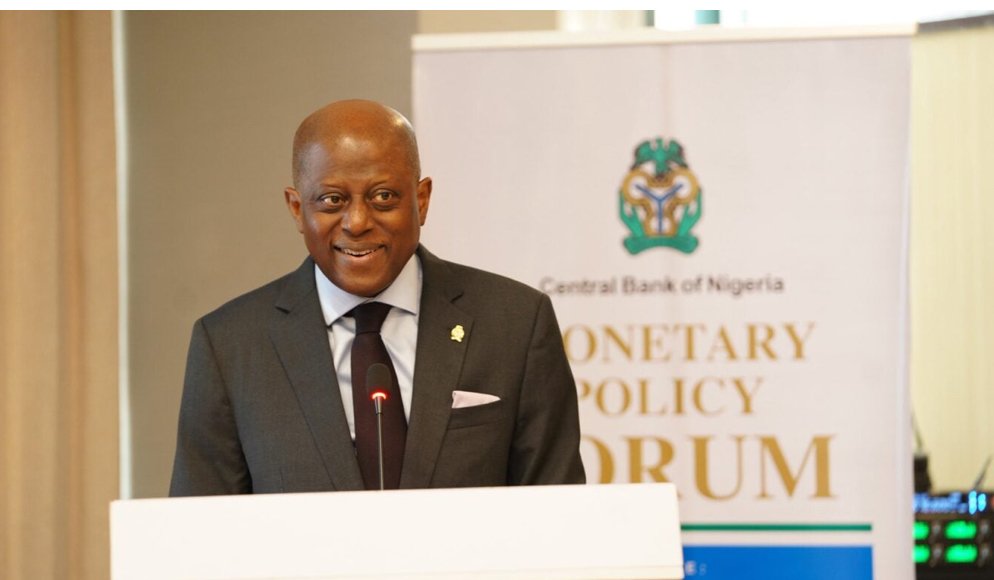
The Nigerian Meteorological Agency (NiMet), led by its Director General and Chief Executive Officer, Charles Anosike, has signed a landmark Memorandum of Understanding with the Central Bank of Nigeria (CBN) on data sharing to improve economic decision-making in Nigeria.
The agreement was signed on Wednesday in Abuja and is expected to strengthen collaboration between both institutions through the exchange of critical climate and economic data. Therefore, the partnership may help policymakers improve planning, forecasting, risk management, and sustainable economic development strategies.
Data-driven governance continues becoming increasingly important in modern economies.
Why Data Sharing Matters
Reliable data supports effective decision-making.
Governments, financial institutions, and development agencies increasingly depend on accurate information to guide economic planning, investment decisions, and policy implementation. Therefore, stronger collaboration between scientific and financial institutions may improve national planning systems.
Weather and climate data influence economic activities.
Agriculture, aviation, transportation, energy, insurance, banking, and disaster management all rely heavily on accurate meteorological information. Consequently, integrating weather intelligence into economic planning may strengthen resilience and productivity.
Data-driven systems improve forecasting and preparedness.
The Role of NiMet in National Development
The Nigerian Meteorological Agency remains Nigeria’s primary weather and climate monitoring institution.
The agency provides weather forecasts, climate analysis, aviation meteorology services, and environmental information essential for public safety and economic activities. Therefore, NiMet’s partnership with the CBN highlights the growing relevance of climate intelligence within financial and economic planning.
Climate conditions affect national productivity.
Agriculture, food supply, water resources, and transportation systems often depend significantly on weather patterns and environmental conditions.
Why the CBN Needs Climate and Weather Data
Economic stability increasingly depends on environmental awareness.
Central banks worldwide now pay greater attention to climate risks because environmental disruptions can affect inflation, food production, supply chains, insurance systems, and financial stability. Therefore, access to reliable meteorological data may help the Central Bank of Nigeria improve economic forecasting and policy decisions.
Agriculture heavily influences Nigeria’s economy.
Weather disruptions affecting farming activities can impact food prices, inflation rates, and economic performance. Consequently, climate data becomes valuable for monetary and economic planning.
Climate Intelligence and Economic Planning
Climate change continues influencing global economies.
Floods, droughts, heatwaves, and changing weather patterns increasingly affect productivity, infrastructure, and investment systems worldwide. Therefore, governments and financial institutions now prioritize climate-related data in policy development.
Risk management depends on accurate forecasting.
Reliable meteorological information may help authorities prepare for environmental disruptions capable of affecting businesses and economic stability.
Preparedness reduces economic losses.
The Importance of Institutional Collaboration
Partnerships between institutions strengthen governance systems.
Modern governance increasingly requires cooperation between scientific agencies, financial institutions, and policymakers to address complex national challenges. Therefore, the MoU between NiMet and the CBN reflects growing recognition of interdisciplinary collaboration.
Shared information improves coordination.
Data integration may help institutions respond more effectively to emerging risks and economic pressures.
Collaboration also supports innovation and efficiency.
Agriculture and Food Security Implications
Agriculture remains highly climate-sensitive.
Farmers depend heavily on rainfall patterns, seasonal forecasts, and climate conditions for planting and harvesting decisions. Therefore, improved access to meteorological information may support food security and agricultural productivity.
Food inflation often relates to weather conditions.
Flooding, drought, or irregular rainfall may disrupt food supply chains and increase prices nationwide. Consequently, climate-informed planning may help stabilize economic outcomes.
Technology and Modern Economic Systems
Technology continues transforming data management.
Digital systems, forecasting models, and data analytics now allow institutions to process information more effectively for planning and decision-making. Therefore, stronger data-sharing partnerships may improve forecasting accuracy and institutional efficiency.
Modern economies increasingly rely on predictive intelligence.
Governments and financial institutions use data analytics to anticipate risks, guide investments, and improve policy implementation.
The Growing Focus on Climate Resilience
Climate resilience remains a global priority.
Countries worldwide are strengthening systems capable of responding to environmental risks and economic disruptions linked to climate change. Therefore, partnerships involving meteorological agencies and financial institutions are becoming increasingly important.
Sustainable development requires long-term planning.
Climate-informed policies often support infrastructure protection, agricultural sustainability, and economic resilience.
Looking Ahead
The NiMet-CBN partnership may create broader opportunities for policy innovation.
As climate risks continue affecting economies globally, stronger cooperation between scientific and financial institutions may improve national preparedness and economic management strategies within Nigeria.
Data-driven governance will likely remain increasingly important.
Conclusion: Strengthening Economic Planning Through Data Collaboration
The signing of a Memorandum of Understanding between the Nigerian Meteorological Agency and the Central Bank of Nigeria marks an important step toward integrating climate intelligence into economic decision-making.
Led by Charles Anosike, the partnership highlights the growing importance of reliable data, institutional collaboration, and climate awareness in modern governance and financial planning.
Ultimately, stronger coordination between scientific and economic institutions may help improve resilience, policy effectiveness, and sustainable development outcomes across Nigeria.
About The Author