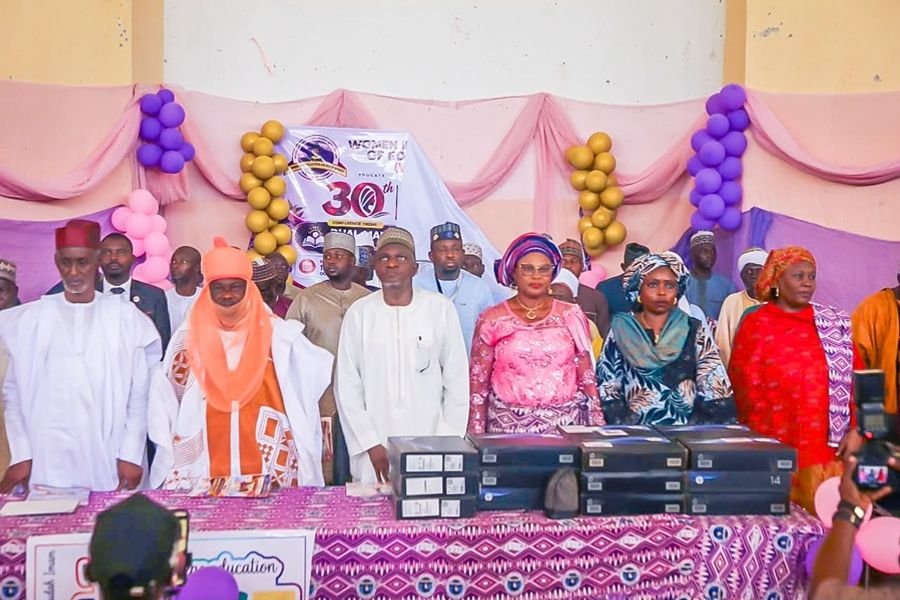
The National Information Technology Development Agency (NITDA) has provided high-specification HP OmniBook laptop computers to the National Association of Women in Colleges of Education (WICE) to strengthen its administrative capacity and promote digital literacy among women educators.
The intervention reflects ongoing efforts to expand access to digital tools and encourage technology adoption within the education sector, particularly among professional associations supporting women’s participation in teaching and educational leadership.
By providing modern computing equipment, NITDA aims to help WICE improve its administrative operations while creating opportunities for members to strengthen their digital skills and engage more effectively with technology-driven educational activities.
Strengthening Administrative Capacity
Access to reliable digital equipment can improve how professional associations coordinate their activities, maintain records, communicate with members and manage organisational responsibilities.
For WICE, the provision of HP OmniBook laptops offers an opportunity to improve administrative efficiency and support the preparation, storage and sharing of documents.
Digital tools can also make it easier to organise meetings, coordinate programmes across different institutions and maintain communication between national leadership and members.
As educational institutions increasingly adopt digital systems, strengthening the technology capacity of professional associations can help them respond more effectively to administrative demands and emerging opportunities.
Promoting Digital Literacy Among Women Educators
Beyond administrative support, the intervention places emphasis on digital literacy among women educators.
Digital literacy involves the ability to use computers, software, online platforms and digital communication tools effectively, safely and responsibly.
For teachers and other education professionals, these skills can support lesson preparation, research, collaboration, professional development and access to educational resources.
Improved digital competence can also help educators participate in online training, use digital learning platforms and introduce technology-supported approaches within their institutions.
However, access to equipment represents only one part of the process. Practical training, reliable internet connectivity, technical support and opportunities to apply newly acquired skills remain important to achieving lasting results.
Advancing Women’s Participation in Digital Transformation
Women educators occupy important positions in Nigeria’s education system, helping shape learning outcomes and prepare students for a technology-driven economy.
Expanding their access to digital resources can support professional development and strengthen their ability to participate in the country’s digital transformation.
Initiatives that combine technology provision with skills development can also help address barriers faced by women who have limited access to computing equipment or structured digital training.
Through partnerships with professional associations such as WICE, technology-focused interventions can reach educators within established networks and potentially extend their benefits to wider educational communities.
Technology as a Tool for Educational Development
NITDA’s support for WICE highlights the role of technology in improving organisational effectiveness and supporting the professional development of educators.
For the intervention to deliver sustained benefits, the equipment will need to be integrated into the association’s daily activities and supported by relevant digital skills programmes.
Clear plans for equipment management, maintenance and training could help ensure that the laptops remain useful over time and contribute to measurable improvements in administrative performance and digital competence.
As Nigeria continues to pursue broader digital development goals, initiatives that connect technology access with practical skills and institutional capacity will remain important to expanding participation in the digital economy.
The laptop donation therefore represents a step towards strengthening WICE’s administrative operations and supporting digital literacy among women educators, with its longer-term impact depending on how effectively the equipment is used to advance these objectives.
About The Author