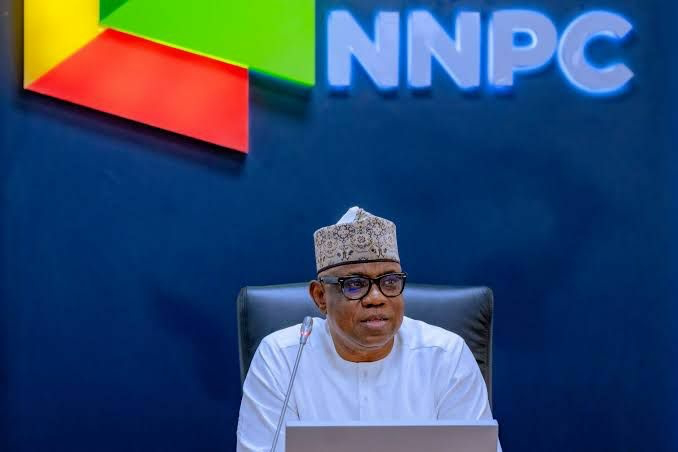
The Nigerian National Petroleum Company Limited (NNPCL) and independent petroleum marketers imported a combined 182.9 million litres of Premium Motor Spirit (PMS), commonly known as petrol, into the country in the month of May as part of ongoing efforts to maintain adequate fuel supply across Nigeria.
The volume of imported petroleum products highlights the continued role of fuel imports in supporting domestic consumption and ensuring that distribution channels remain adequately supplied to meet the needs of households, businesses, industries, and the transportation sector.
Furthermore, the imports underscore the importance of coordinated supply chain management in sustaining energy availability and preventing disruptions that could affect economic activities nationwide.
Ensuring Stable Fuel Availability
The importation of Premium Motor Spirit remains an important component of Nigeria’s downstream petroleum sector as stakeholders continue working to guarantee product availability across the country.
Adequate fuel supply supports transportation, commerce, manufacturing, agriculture, and other sectors that depend heavily on petroleum products for daily operations.
Moreover, maintaining sufficient stock levels contributes to market stability by helping to reduce supply shortages and ensuring smoother distribution to retail outlets across different regions.
Industry stakeholders continue to monitor demand patterns and logistics to support uninterrupted product availability.
Petroleum Sector Supports Economic Activities
The downstream petroleum industry plays a vital role in Nigeria’s economy by facilitating the movement of goods and people while supporting industrial production and commercial activities.
Reliable access to petroleum products enables businesses to operate efficiently, strengthens supply chains, and contributes to overall economic productivity.
Furthermore, sustained fuel availability supports critical sectors including healthcare, education, agriculture, telecommunications, and power generation, making energy security an important national priority.
Continued investment in distribution infrastructure and logistics remains essential for improving operational efficiency within the sector.
Strengthening Energy Security Through Strategic Supply Management
The participation of both NNPCL and independent marketers in fuel importation reflects collaborative efforts aimed at maintaining market stability and meeting national consumption requirements.
Effective coordination among industry participants helps strengthen supply resilience while ensuring that products reach consumers through established distribution networks.
In addition, efficient import planning and product management contribute to reducing supply disruptions and supporting economic activities across urban and rural communities.
Such measures remain important as the country continues to pursue reforms within the petroleum industry.
Supporting Long-Term Energy Sector Development
While fuel imports continue to supplement domestic supply, Nigeria’s broader energy strategy remains focused on strengthening local refining capacity and improving the efficiency of the downstream petroleum sector.
Investments in refining infrastructure, transportation networks, storage facilities, and distribution systems are expected to enhance long-term energy security while reducing dependence on imported petroleum products.
Furthermore, ongoing reforms aimed at modernising the petroleum industry are designed to improve competitiveness, encourage investment, and promote sustainable growth across the energy value chain.
Building a More Resilient Petroleum Industry
The importation of 182.9 million litres of Premium Motor Spirit by NNPCL and independent marketers in May demonstrates the continued efforts of industry stakeholders to ensure stable fuel availability for Nigerians.
As reforms continue across the petroleum sector, enhanced collaboration among government institutions, industry operators, and private investors is expected to strengthen supply systems, improve operational efficiency, and support national economic growth.
Through strategic planning, infrastructure development, and sustained investment, Nigeria’s energy sector can continue to evolve into a more resilient and efficient industry capable of meeting the country’s growing energy needs while supporting long-term economic development.
About The Author