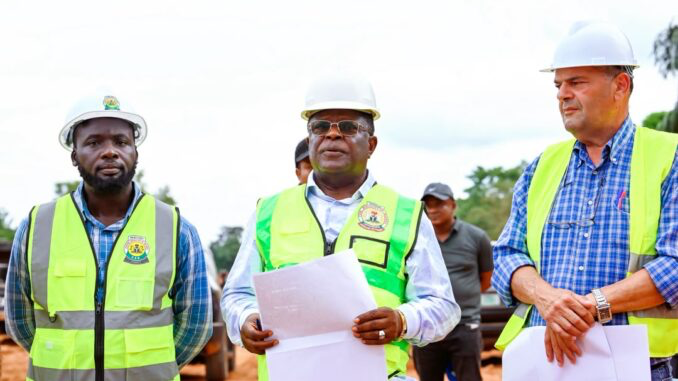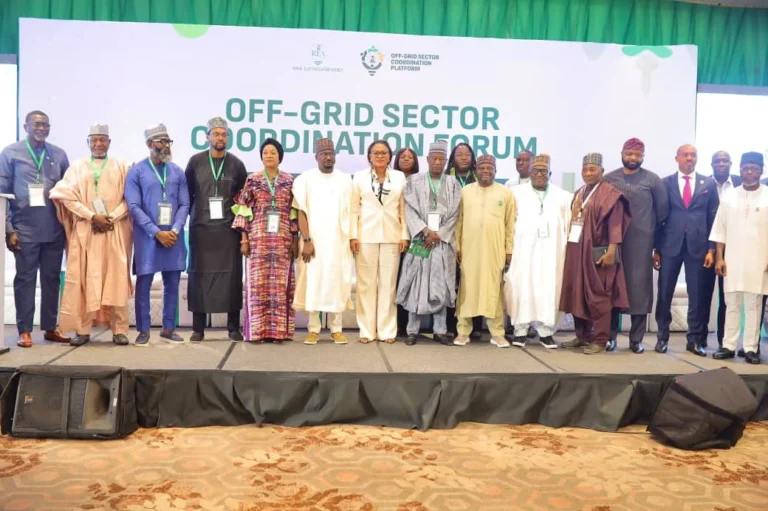

The First Lady of Nigeria, Oluremi Tinubu, has emphasised the importance of intervention and constituency projects as critical tools for bridging the gap between government and the people, describing them as tangible expressions of democratic governance and inclusive development.
She noted that well-planned intervention projects have the capacity to improve the quality of life of citizens by delivering essential infrastructure, social amenities, and economic opportunities directly to communities. According to her, such initiatives demonstrate the practical impact of governance while ensuring that development reaches people at the grassroots.
Furthermore, the First Lady stressed that responsive leadership should always focus on programmes that address the everyday needs of citizens and promote equitable national development.
Projects Bring Government Closer to the People
Senator Oluremi Tinubu explained that intervention and constituency projects serve as important channels through which governments respond to the priorities of local communities.
She observed that investments in schools, healthcare facilities, roads, water supply, skills acquisition centres, and empowerment programmes help strengthen public confidence in democratic institutions while improving living standards across the country.
In addition, these projects encourage greater citizen participation in governance by ensuring that development initiatives reflect the needs and aspirations of the people they are designed to serve.
Inclusive Development Strengthens National Progress
The First Lady maintained that sustainable national development can only be achieved when every community has access to opportunities and essential public services regardless of location or social background.
She emphasised that inclusive development requires deliberate efforts to ensure that vulnerable groups, women, young people, and underserved communities benefit from government interventions that promote economic empowerment and social welfare.
Moreover, targeted development projects contribute to reducing inequality while creating conditions for shared prosperity and long-term national stability.
Democracy Must Deliver Tangible Benefits
Senator Tinubu stated that democracy should be measured not only by elections and political participation but also by its ability to improve the lives of ordinary citizens through visible and impactful projects.
She noted that intervention programmes provide practical evidence of government’s commitment to serving the people by addressing pressing developmental challenges and expanding access to basic services.
Consequently, continued investment in constituency and intervention projects will strengthen democratic governance by ensuring that citizens experience the direct benefits of public policies and government programmes.
Community Development Supports Economic Growth
The First Lady also highlighted the role of community-based projects in promoting economic development by improving infrastructure, supporting education, strengthening healthcare delivery, and creating opportunities for entrepreneurship and employment.
She explained that investments in local communities stimulate economic activities, encourage private sector participation, and enhance productivity across different sectors of the economy.
Furthermore, empowering communities through strategic interventions contributes significantly to poverty reduction and sustainable national development.
Commitment to People-Centred Governance
Senator Oluremi Tinubu reaffirmed her commitment to initiatives that promote inclusion, community development, and improved welfare for Nigerians across the country. She encouraged continued collaboration among government institutions, elected representatives, development partners, and community leaders to ensure that intervention projects deliver lasting value and meaningful impact.
As Nigeria continues its democratic journey, the First Lady’s remarks reinforce the importance of people-centred governance that prioritises development at the grassroots. Through sustained investment in intervention and constituency projects, governments can strengthen public trust, promote inclusive growth, and ensure that democracy translates into tangible improvements in the lives of citizens nationwide.
About The Author