
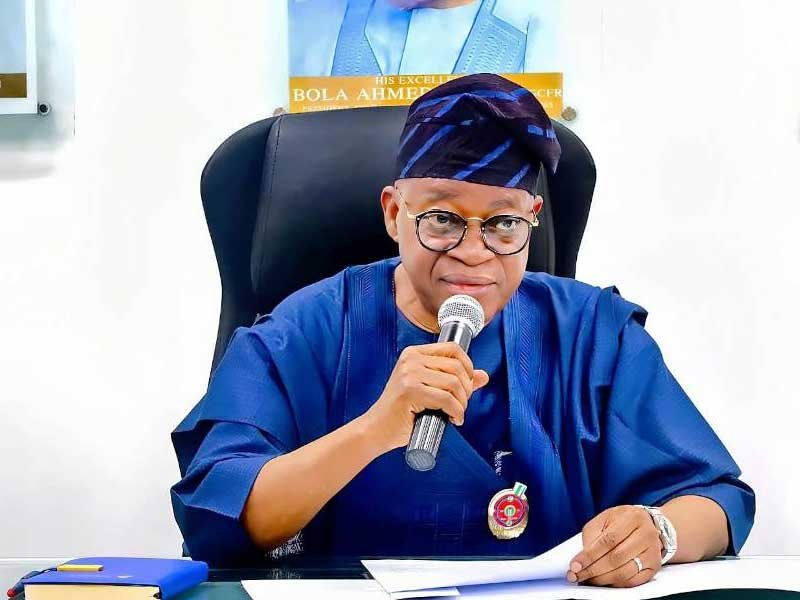
The Minister of Marine and Blue Economy, Adegboyega Oyetola, on Thursday inaugurated the Institute of Maritime Studies (IMS) Multipurpose Building at the University of Lagos.
This milestone underscores the Federal Government’s commitment to strengthening Nigeria’s marine and blue economy. It also highlights a deliberate focus on building capacity through investment in education and infrastructure across Nigeria.
Why the Blue Economy Matters
The blue economy represents a major opportunity.
It includes shipping, fisheries, marine resources, and coastal tourism. Therefore, developing this sector can significantly boost economic growth.
Nigeria’s strategic coastal location offers advantages. However, unlocking these benefits requires skilled manpower and modern infrastructure.
Strengthening Human Capital Through Education
Education drives sustainable growth.
By commissioning the IMS facility, Adegboyega Oyetola reinforces the importance of training professionals in maritime studies. Students will gain access to improved learning environments. They will also develop skills needed for industry demands.
Therefore, the initiative supports long-term capacity building.
Infrastructure as a Catalyst for Development
Infrastructure enables progress.
Modern facilities enhance research, innovation, and practical training. Consequently, institutions can produce graduates who meet global standards.
The new building at the University of Lagos provides such an environment. It also positions the institution as a key contributor to maritime development.
Aligning Policy with Practical Action
Government commitment must translate into results.
The inauguration demonstrates alignment between policy goals and implementation. Therefore, it strengthens confidence in the government’s vision for the marine sector.
By investing in both people and infrastructure, the administration creates a balanced approach to development.
Expanding Opportunities in the Maritime Sector
The maritime industry continues to evolve.
New technologies and global trends demand specialised skills. Therefore, training institutions must adapt.
The IMS facility will support this transition. It will also prepare students for emerging opportunities within the blue economy.
A Boost for Research and Innovation
Innovation drives competitiveness.
With improved facilities, researchers can explore solutions to maritime challenges. They can also contribute to policy development and industry advancement.
Therefore, the impact of the project extends beyond education.
Looking Ahead
Sustained investment remains essential.
While this milestone marks progress, continued support will ensure lasting impact. Therefore, stakeholders must maintain momentum.
However, the foundation for growth is clearly strengthening.
Conclusion: Building the Future of Nigeria’s Blue Economy
The inauguration of the IMS Multipurpose Building by Adegboyega Oyetola represents a significant step forward.
By investing in human capital and infrastructure, Nigeria is positioning itself to harness the full potential of its marine and blue economy.
Ultimately, education, innovation, and sustained commitment will determine how far the sector can go in driving national development.
About The Author